Industry News
Curation by industry experts
Hot Articles
Popular Tags
Wholesale Kitchen Island Cart: What to Check Before Ordering in Bulk
Wholesale Kitchen Island Cart: what matters before a bulk order?
A wholesale kitchen island cart can strengthen a furniture and decor catalog, but bulk buying is rarely just about unit price.
In practice, the better question is whether the product will move quickly, arrive safely, and hold up after installation.
That is where many bulk orders succeed or fail. A stylish cart may still create claims if hardware loosens, boards swell, or packaging breaks during transit.
For that reason, a wholesale kitchen island cart should be reviewed as a supply chain item, not only a showroom item.
Across global sourcing, data-led evaluation has become more important than rough price comparison. That broader view also reflects how GSR approaches light manufacturing intelligence.
Is every kitchen island cart suitable for wholesale channels?
Not really. Some models look attractive online but are weak for repeated handling, mixed retail environments, or regional style preferences.
A wholesale kitchen island cart usually performs best when it balances three things: visual appeal, practical storage, and transport efficiency.
More compact models often turn faster because they fit apartments, small kitchens, and multifunctional spaces.
Larger carts may offer higher ticket value, yet they also raise carton size, freight exposure, and assembly complaints.
A useful early screen is to check whether the design works in several markets, not only one catalog theme.
- Neutral finishes such as white, black, oak, or walnut usually travel better across regions.
- Lockable casters, towel bars, drawers, and adjustable shelves add practical selling points.
- Overly decorative shapes can limit demand and complicate carton protection.
If the item is meant for broad resale, versatility often matters more than trend-heavy styling.
Which quality checks reduce claims after delivery?
This is usually the most important question. Visual inspection alone is not enough for a wholesale kitchen island cart.
Material selection changes how the product behaves in warehouses, kitchens, and last-mile delivery.
Engineered wood can be cost-effective, but edge sealing, board density, and surface finish must be verified carefully.
Solid wood details may improve perceived value, yet consistency in moisture control and finish quality becomes critical.
Metal frames should be checked for weld strength, coating adhesion, and scratch resistance. Casters need rolling tests, brake stability, and noise review.
Load capacity should be confirmed by shelf, drawer, and top surface, not given as one vague total number.
When reviewing samples, it helps to assemble and disassemble at least once. Hidden fit issues often appear only during real handling.
How should cost be judged beyond the quoted price?
A low quote can be expensive later. With a wholesale kitchen island cart, the real landed cost includes much more than factory pricing.
Freight, carton size, damage rates, replacement parts, and assembly support all affect margin.
Flat-pack construction usually helps container utilization, but only if packaging engineering is strong enough.
If one broken panel triggers a full replacement, the original savings disappear quickly.
Another overlooked issue is inventory speed. A bulk order should match realistic sales rhythm, not optimistic launch estimates.
- Compare carton dimensions and loading quantity per container.
- Ask for damage-rate history on similar export models.
- Check whether spare hardware packs are included automatically.
- Review whether packaging uses recyclable materials without weakening protection.
That last point matters more now, as ESG expectations increasingly influence packaging choices and vendor evaluation.
What packaging and compliance details are easy to miss?
Many sourcing problems start after production, not during it. Packaging and paperwork are common weak points.
For a wholesale kitchen island cart, outer carton strength should match long-distance stacking, cross-docking, and local delivery conditions.
Internal protection also matters. Foam layout, corner guards, and panel separation affect whether the item reaches shelves in saleable condition.
Compliance should be checked according to destination market requirements, especially for materials, coatings, and labeling.
Where wood components are involved, buyers often need clarity on sourcing declarations, chemical limits, and packaging treatment standards.
A supplier that answers these questions with clear documents is generally easier to scale with.
This is where intelligence-led sourcing adds value. Strong suppliers tend to combine production ability with documentation discipline and packaging consistency.
How can you tell if the supplier is reliable enough for repeat orders?
Reliability is usually visible in process detail. A supplier may offer a good sample yet struggle with repeat batch control.
A dependable wholesale kitchen island cart program needs stable sourcing of boards, hardware, finishes, and packaging materials.
Lead time should also be discussed honestly. Fast promises mean little if peak-season shipments slip or substitution appears without notice.
More useful questions include how quality issues are logged, how replacement parts are handled, and whether the factory keeps consistent specifications across batches.
In actual sourcing review, these signals are often more telling than a polished brochure.
- Sample quality matches mass-production standards.
- Inspection checkpoints are documented before shipment.
- Bills of materials remain stable unless changes are approved.
- Communication on delays or deviations is early and specific.
The best sourcing decisions usually come from comparing supplier capability, not just comparing offers.
What is the smartest next step before confirming a wholesale kitchen island cart order?
A practical next move is to turn the buying discussion into a short decision sheet.
List the model, target market, finish options, load requirements, packaging standard, compliance documents, and acceptable defect thresholds.
Then compare at least two or three suppliers against the same criteria. That makes pricing more meaningful.
For a wholesale kitchen island cart, the safer order is usually the one with fewer hidden costs, cleaner packaging logic, and steadier replenishment potential.
If the product is intended for long-term catalog development, it helps to review not only current pricing but also future continuity.
That includes finish availability, hardware compatibility, and the supplier’s ability to support line extensions later.
In short, a good bulk order starts with disciplined checking. When product, packaging, compliance, and supplier control all align, margins become easier to protect.
Use that framework to narrow options, request clearer evidence, and move forward with a wholesale kitchen island cart that can scale with fewer surprises.
Recommended News
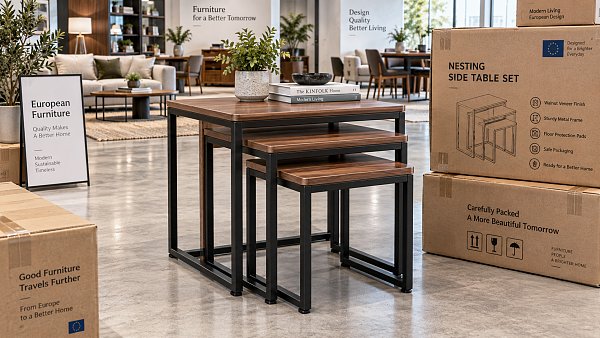
 Home DecorWhat to check before ordering wholesale nesting side tables in EuropeWholesale nesting side tables Europe: assess materials, stability, compliance, packaging, landed cost, and supplier reliability before ordering with confidence.Interior Sourcing LeadSep 19, 2026
 Commercial LEDHow to verify product compliance when sourcing lighting suppliers in GermanyLighting suppliers Germany: learn how to verify CE evidence, test reports, labels, environmental declarations, and production controls before approving orders.Commercial Tech EditorSep 18, 2026
 Textile MachineryWhat capacity should you specify when choosing a garment washing machine manufacturer?Garment washing machine manufacturer guide: choose the right capacity by matching batch loads, wash recipes, daily output, utilities, and downstream line flow.Textile Industry AnalystSep 17, 2026
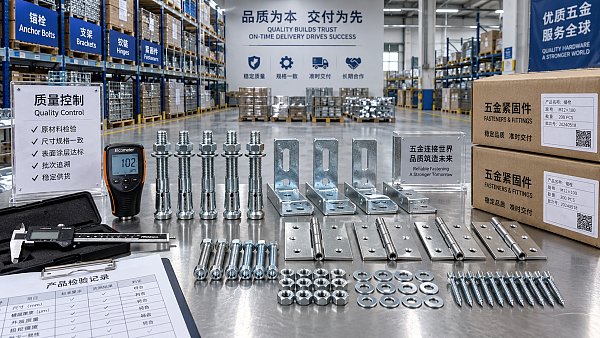
 Supply Chain InsightsHow to vet supplier reliability in hardware materials wholesaleHardware materials wholesale buyers can vet suppliers with practical checks for quality, capacity, compliance, pricing, and delivery reliability. Explore the full framework.Sep 16, 2026