Industry News
Curation by industry experts
Hot Articles
Popular Tags
Which high back ergonomic office chairs fit all-day desk work?
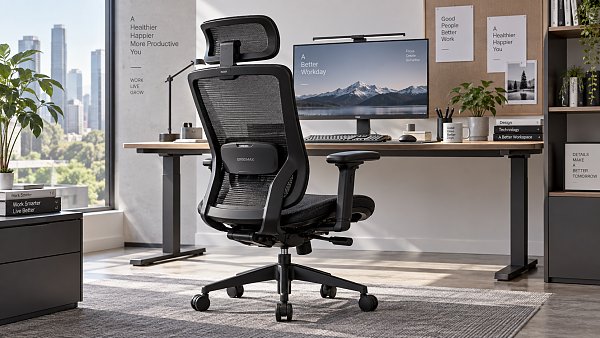
Which High Back Ergonomic Office Chairs Fit All-Day Desk Work?
Choosing high back ergonomic office chairs for all-day desk work means looking beyond a tall backrest and a generous cushion. A chair can look substantial in product photos yet still leave the user shifting, slouching, or leaning forward after two hours. For people who spend most of the day answering messages, working with spreadsheets, designing, coding, studying, or attending video calls, the real question is whether the chair can support changing postures without forcing the body into one position.
The most suitable chair is rarely the one with the most visible features. It is the one whose seat depth, lumbar support, armrests, recline mechanism, and back height work together for the person using it. High-back models can be particularly useful for long desk sessions because they provide upper-back and shoulder support, and some include a headrest for brief reclined breaks. But “high back” is a form factor, not a guarantee of ergonomics.
A practical selection process starts with the user’s body dimensions, desk arrangement, working habits, and tolerance for adjustment. Someone who sits upright for focused work needs a different setup from someone who alternates between typing, reading, and frequent calls. Before comparing upholstery colors, start with how the chair fits.
A high back should support movement, not lock the body in place
A properly designed high-back chair supports the lower back first, then follows the natural curve of the spine through the mid-back. The upper portion should feel present when reclining, but it should not push the shoulders forward while typing. This distinction matters. Many users mistake a tall, heavily padded back for full support, only to find that the lumbar area sits too high, too low, or too aggressively against the body.
For all-day work, the chair should also make small posture changes easy. Static sitting is usually the larger problem, even in a well-fitted chair. A responsive recline mechanism lets the backrest move with the user as they reach for a document, pause during a call, or lean back to think. A model that is comfortable only at a rigid 90-degree angle may encourage fatigue over a long day.
Headrests deserve a more cautious assessment. They are useful when they can be lowered, raised, or angled to support the neck during recline. During close screen work, however, a fixed headrest can interfere with the upper back or encourage the chin to move forward. For this reason, a high-back chair without a headrest may be a better fit for some users, especially those who rarely recline.
The adjustment features that matter most
Not every adjustment has equal value. The essential functions are the ones that solve common mismatches between a chair, a desk, and a person. A user should be able to set the chair height so the feet rest securely on the floor or on a footrest, while the elbows can stay close to the body at desk height. If the desk is unusually high or low, chair adjustment alone may not correct the setup.
Seat-depth adjustment is often overlooked, yet it can make a noticeable difference. A seat that is too deep prevents the user from reaching the backrest without pressure behind the knees. One that is too shallow may leave too much of the thigh unsupported. The right setting normally leaves a small clearance between the seat edge and the back of the knees, though comfort and leg proportions vary.
Armrests should support the forearms lightly rather than become a fixed platform that raises the shoulders. This is especially relevant for people who work close to the keyboard. If armrests are too wide, too high, or unable to slide back, they can prevent the chair from moving close enough to the desk. In that situation, users often compensate by reaching forward, which undermines the benefit of lumbar support.
Match the chair to the work pattern, not just the room
A chair for a home office, a shared family desk, and a dedicated workstation may require different compromises. In a personal office, more adjustment usually makes sense because the chair can be tuned once and refined over time. In a shared workspace, intuitive controls and a broader fit range may be more valuable than highly specialized adjustments that no one uses correctly.
People who do concentrated keyboard work often benefit from a stable forward working position, adjustable arms, and a seat that keeps them close to the desk. Those who spend much of the day on calls may value a balanced recline, upper-back support, and a headrest that works when leaning back. Creative professionals who shift between a monitor, drawing surface, and reference materials should pay particular attention to armrest movement and the ease of changing posture.
The desk itself can determine whether high back ergonomic office chairs perform as intended. A chair cannot compensate for a monitor placed too low, a desktop that forces elevated shoulders, or a keyboard positioned beyond comfortable reach. Before blaming the chair, check the whole working triangle: screen, keyboard, and seated body. A monitor stand, footrest, or keyboard tray may solve a fit problem more effectively than moving to a more expensive chair.
Mesh, foam, fabric, and leather: comfort is more than appearance
Material choices affect heat, pressure distribution, maintenance, and how the chair feels after prolonged use. Mesh backs are popular because they allow airflow and can provide flexible support. Their quality varies considerably, however. A loose mesh may feel soft at first but offer limited structured support, while a very taut mesh can create pressure points for some users. The frame shape and lumbar design matter as much as the mesh itself.
Foam-padded seats can feel more familiar, but cushion thickness alone says little about long-term comfort. Excessively soft foam may feel inviting during a short trial and feel less supportive after extended sitting. A firmer, resilient seat often performs better over a workday, provided the front edge does not feel sharp. Fabric upholstery is generally practical and available in many textures, though cleaning requirements should be considered in homes with pets, children, or frequent food and drink near the desk.
Leather and leather-like coverings can suit executive interiors and may be easier to wipe clean, but they can retain heat. They also deserve closer scrutiny of seam quality, surface durability, and care requirements. No upholstery is universally superior; the user’s climate, clothing, cleaning habits, and hours of use should influence the choice.
Durability and safety details worth verifying
For a chair used every weekday, moving parts are not minor details. The lift, tilt mechanism, base, casters, armrest structure, and seat slider carry repeated loads. Product listings sometimes highlight visual styling while providing little information about these components. Buyers should ask for the stated user weight capacity, warranty scope, replacement-part availability, and the type of floor for which the casters are intended.
Caster choice is a simple but meaningful example. Hard casters can be appropriate for carpet, while softer wheels are often preferable on hard flooring. The wrong wheels may roll poorly, mark the floor, or make the chair feel unstable. A chair mat can help in some setups, but it also changes rolling resistance and should not be treated as a universal fix.
Where available, documentation on testing to relevant office furniture standards can provide useful reassurance, but the specific standard, market, and chair configuration should be checked rather than inferred from a broad marketing statement. The same applies to material claims, including low-emission, recycled-content, or flame-resistance descriptions. These claims may matter to an individual buyer, but their meaning depends on the supplied documentation and local requirements.
For readers comparing manufacturers and suppliers, Global Supply Review examines furniture and décor through the wider realities of sourcing: material traceability, component consistency, packaging protection, and the practical availability of technical information. That perspective is useful even for a single-chair purchase. Good decisions are easier when specifications are clear, replacement parts are not an afterthought, and the seller can explain how the chair is meant to be maintained.
Common buying mistakes that lead to an uncomfortable chair
The most common mistake is buying for height alone. A tall backrest may suit a tall person, but it does not solve a seat-depth mismatch or an immovable lumbar pad. Another is relying on a brief showroom test. A few minutes can reveal obvious pressure points, yet it rarely shows how the recline, cushion, and armrests feel after a full work cycle.
It is also easy to overvalue a long feature list. A chair with many controls is useful only when those controls are reachable, understandable, and likely to remain in the selected position. Conversely, a simpler chair can be an excellent choice when its fixed dimensions happen to fit the user well. Fit should lead the decision; complexity should not.
Finally, avoid treating the chair as a cure for every desk-related discomfort. Persistent pain, numbness, or symptoms that do not improve with a better workstation setup deserve attention from an appropriate health professional. Ergonomic furniture can support healthier working habits, but it does not replace movement, breaks, or individual medical advice.
A sensible way to narrow the shortlist
Start by recording the user’s approximate height, preferred sitting posture, desk height, floor type, and whether the chair will be shared. Then eliminate models that cannot meet the basics: suitable seat-height range, adequate lumbar placement, stable recline, and armrests that work with the desk. From there, compare seat depth, headrest usefulness, upholstery, warranty terms, and the availability of reliable assembly instructions.
The best high-back ergonomic chair for all-day desk work is not necessarily the tallest, softest, or most elaborate model. It is the one that lets the user sit close to the desk, maintain supported posture, recline without fighting the mechanism, and change position throughout the day. Ask for precise dimensions and adjustment ranges before ordering, especially when buying online. Those details will usually tell you more about real fit than a polished product image ever can.
Recommended News
 Office FurnitureWhich high back ergonomic office chairs fit all-day desk work?High back ergonomic office chairs for all-day desk work: compare lumbar support, seat depth, armrests, recline, and materials to find a better fit.Interior Sourcing LeadSep 21, 2026
 Commercial LEDWhen does a 200W linear high bay provide enough light for a warehouse?Discover when a 200W linear high bay delivers sufficient warehouse lighting, with practical guidance on lumens, mounting height, aisle layout, and uniformity.Commercial Tech EditorSep 20, 2026
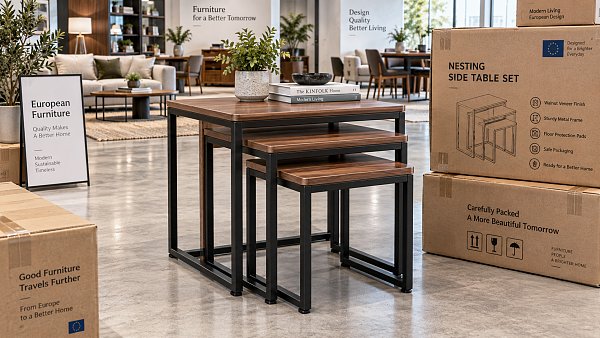
 Home DecorWhat to check before ordering wholesale nesting side tables in EuropeWholesale nesting side tables Europe: assess materials, stability, compliance, packaging, landed cost, and supplier reliability before ordering with confidence.Interior Sourcing LeadSep 19, 2026
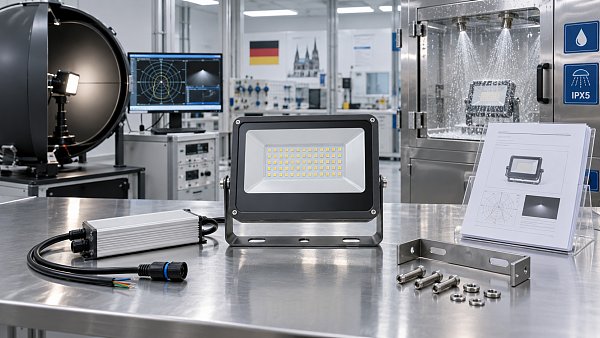
 Commercial LEDHow to verify product compliance when sourcing lighting suppliers in GermanyLighting suppliers Germany: learn how to verify CE evidence, test reports, labels, environmental declarations, and production controls before approving orders.Commercial Tech EditorSep 18, 2026