Industry News
Curation by industry experts
Hot Articles
Popular Tags
Is a rattan wicker patio sofa suitable for an uncovered patio?
Is a rattan wicker patio sofa suitable for an uncovered patio?
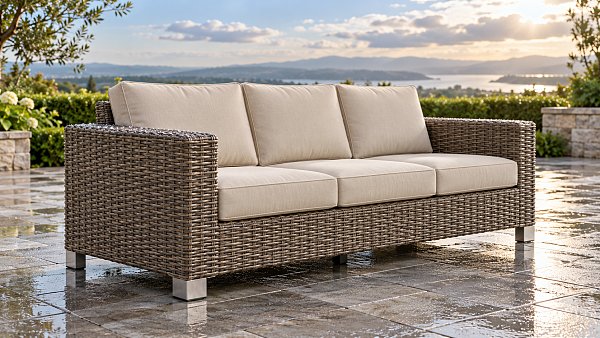
A rattan wicker patio sofa can suit an uncovered patio—but only if its materials are built for outdoor exposure. Natural rattan is vulnerable to moisture and harsh sunlight, while quality synthetic wicker over a corrosion-resistant frame is generally a better choice. Even then, cushions, drainage, and seasonal protection determine how well the sofa holds up.
The practical question is not simply whether a sofa can get wet. It is whether repeated rain, sunlight, humidity, and temperature changes will damage its weakest component. A weather-resistant weave cannot compensate for a rust-prone frame or cushions that stay damp for days.
“Rattan” describes the look less reliably than the material
Furniture listings often use “rattan,” “wicker,” and “resin wicker” almost interchangeably. They are not the same thing. Rattan is a natural plant material; wicker is a weaving technique. A wicker sofa may be woven from natural rattan or synthetic strands that imitate it.
That distinction matters much more outdoors than it does in a showroom.
Natural rattan: better under shelter
Natural rattan absorbs moisture. Repeated wetting and drying can contribute to swelling, splitting, weakened joints, and mold where conditions remain damp. Direct sunlight can also fade finishes and dry the material. A protective coating may slow exposure damage, but it does not make natural rattan suitable for permanent, unsheltered use.
If a listing specifies genuine natural rattan, choose it for an indoor room or a well-protected outdoor space, subject to the manufacturer’s instructions. For an uncovered patio, it is usually the wrong starting point.
Synthetic wicker: suitable only with the right formulation
Synthetic outdoor wicker commonly uses polyethylene, including high-density polyethylene, although other plastics are also sold. A properly formulated, UV-stabilized weave is generally more appropriate for rain and sunlight than natural rattan.
However, “PE rattan” alone is not a durability guarantee. Polymer formulation, UV protection, strand construction, and manufacturing quality all matter. Ask whether the specific model is approved for continuous uncovered outdoor use—not merely whether it belongs to an “outdoor collection.”
The frame may fail before the wicker does
Look underneath the sofa before judging its weather resistance. The weave can conceal frame tubing, welds, staples, screws, and connections that are more vulnerable than the visible surface.
Powder-coated aluminum is often a sensible option for an exposed patio because it is relatively light and does not develop the red rust associated with steel. It is not immune to corrosion, particularly in salty conditions. Coating quality, drainage, and compatible fasteners still matter.
Powder-coated steel can provide a sturdy, economical frame, but scratches, poorly protected welds, and water trapped inside tubing can create corrosion risks. On an uncovered patio, that makes coating condition and maintenance more consequential. Rust-colored runoff may also stain paving.
Check for stable feet, clean connections, and no exposed sharp edges. Ask how water entering the frame escapes. If the seller cannot identify the frame metal or explain its corrosion protection, the attractive weave should not settle the decision.
Cushions decide how usable the sofa is after rain
A sofa frame may tolerate a shower while its cushions remain uncomfortable long afterward. For everyday use, drying performance can matter as much as structural durability.
Water-repellent fabric usually sheds some surface moisture; it does not make the whole cushion waterproof. Rain can enter through seams, zippers, and the underside. Once water reaches dense foam or absorbent filling, the outer fabric may feel dry while the interior remains wet.
For frequent exposure, look for a cushion system designed to release water: suitable outdoor fabric, genuinely quick-draining filling, and a breathable or draining underside. “Quick-dry” should describe the construction, not just appear in the product name. Even open-cell outdoor foam needs airflow and suitable conditions to dry.
Solution-dyed acrylic and appropriately specified outdoor polyester are common cover options, but fiber names alone do not establish performance. Check the stated resistance to fading, care instructions, and whether replacement covers are available. Removable covers are useful, although removable does not automatically mean machine-washable.
If you have no dry storage and do not want to bring cushions inside before prolonged rain, make cushion construction a priority. Otherwise, a perfectly serviceable sofa may spend much of the season too damp to enjoy.
Match the construction to your actual exposure
An uncovered patio in a dry climate presents different problems from a shaded courtyard that stays humid. Think about where moisture lingers, how much direct sun reaches the seating, and whether you can move the furniture when severe weather arrives.
- Strong sun and heat: Prioritize documented UV resistance for both weave and fabric. Dark surfaces can become uncomfortable in direct sun; try a material sample outdoors if possible.
- Frequent rain or high humidity: Favor open drainage, raised feet, and cushions that can dry readily. Keep the sofa clear of standing water and allow space for air to circulate.
- Coastal exposure: Ask about suitability for salt-laden air and the required cleaning routine. Aluminum still needs appropriate protection, and fittings deserve close attention.
- Freezing winters: Check the stated temperature limits and storage guidance. Avoid leaving wet cushions or trapped water exposed to repeated freezing.
- Windy sites: Consider stability and storage as well as weight. Lightweight sections and loose cushions may need moving or manufacturer-approved securing before storms.
Trees create another maintenance issue. Sap, bird droppings, pollen, and wet leaves can collect in woven surfaces. A location that looks sheltered may actually require more cleaning than an open, sunny position.
What “weather-resistant” should mean before you buy
Treat “all-weather” as a claim to investigate, not a promise of maintenance-free ownership. The useful evidence is model-specific: material specifications, care instructions, warranty coverage, and any relevant testing the seller can provide.
If accelerated weathering results are offered, ask which components were tested, by what method, and what changes were measured. A test on a wicker strand does not establish the durability of the cushion or frame. Nor can laboratory exposure hours be converted directly into a guaranteed number of years on your patio.
Read warranty exclusions carefully. Coverage for structural failure may exclude fading, corrosion, cushion deterioration, or damage linked to leaving furniture uncovered. A warranty requiring shelter between uses may not match your intended routine.
Global Supply Review (GSR), which covers furniture and decor within its sourcing intelligence remit, emphasizes the value of looking beyond product descriptions to underlying specifications. That approach is useful here: compare the weave, frame, cushions, and aftercare separately rather than treating “outdoor sofa” as one uniform category.
A protective cover helps—if it does not trap moisture
For a suitable synthetic-wicker sofa, a well-fitting cover is usually worth considering. It reduces exposure to dirt and debris and can limit wetting during periods when the furniture is unused. It does not turn indoor furniture into outdoor furniture.
Choose a cover with secure fastenings, ventilation, and a shape that sheds water rather than forming a pool over the seat. Follow its fitting instructions and avoid sealing damp cushions beneath it. Condensation and trapped moisture can undermine the protection you intended to provide.
For extended wet spells or winter storage, moving fully dry cushions into a dry, ventilated space is often more dependable than leaving them under a cover. Dry them completely before storage.
Choose for the maintenance you will actually do
Routine care need not be elaborate: remove debris, clean with products approved by the manufacturer, rinse as directed, and let components dry. Avoid aggressive pressure washing unless expressly permitted; it can damage finishes or force water into concealed areas. Inspect exposed fittings and damaged coating periodically.
Before paying, confirm replacement-cushion availability, delivery access, assembly requirements, and the return policy. A deep sofa that cannot pass through your side gate is a practical failure regardless of its weather resistance. Replacement parts also matter when the frame outlasts the upholstery.
The decision is straightforward: choose a rattan wicker patio sofa for an uncovered patio when it has outdoor-rated synthetic wicker, an appropriately protected frame, effective drainage, and cushions suited to your storage habits. Avoid natural rattan for permanent exposure. If the seller cannot clarify those details—or the required care exceeds what you will realistically do—consider a less upholstered outdoor bench or another seating design that dries more easily.
Recommended News
 Policy & RegulationsEU Apparel Exports Face PFHxA Limits and New PPWR Packaging RulesEU apparel exports face PFHxA limits and PPWR packaging rules. Explore key compliance checks to protect bridalwear shipments, manage unsold stock and reduce delivery risks.Oct 21, 2026
 Outdoor FurnitureIs a rattan wicker patio sofa suitable for an uncovered patio?Is a rattan wicker patio sofa right for your uncovered patio? Discover which materials, frames, and cushions withstand outdoor exposure—and what to check before you buy.Interior Sourcing LeadOct 21, 2026
 Eco PackagingHigher Fees Urged for Hard-to-Recycle Plastics Under California’s EPR PlanCalifornia’s EPR plan faces calls for higher fees on hard-to-recycle plastics. Explore potential packaging cost impacts and how to prepare while adoption remains unconfirmed.Packaging Supply ExpertOct 20, 2026
 Commercial LEDHow much should you pay per T8 LED tube when buying in bulk?Compare T8 LED tube price quotes for bulk orders and uncover hidden installation, freight, and warranty costs. Learn how to choose compliant tubes at the best total value.Commercial Tech EditorOct 20, 2026