Industry News
Curation by industry experts
Hot Articles
Popular Tags
CIFF Guangzhou 'Huazhuan Star' Design Award Announced: Hunan University Team's 'Modular Low-Carbon Curtain Wall System' Wins Gold in Office & Commercial Category, Pushing China's Building Envelope Solutions into Global Green Procurement Whitelist

Introduction
On March 29, 2026, the CIFF Guangzhou 'Huazhuan Star' Design Awards ceremony unveiled its winners, with Hunan University and Kibing Group's collaborative 'Modular Low-Carbon Curtain Wall System' (featuring recycled aluminum frames and integrated photovoltaic glass units) securing the gold medal in the Office & Commercial category. This breakthrough, already LEED v4.1 core material certified, signals China's entry into the ESG procurement whitelist for multinational corporations, offering plug-and-play low-carbon solutions for Southeast Asian and Middle Eastern headquarters projects. The architecture, engineering, and construction (AEC) industries, particularly sustainable material suppliers and commercial developers, should note this milestone for its supply chain implications.
Event Overview
The 2026 CIFF Guangzhou 'Huazhuan Star' Design Awards recognized innovations in building envelope technology. The winning system combines recycled aluminum framing with photovoltaic glass modules, achieving 30% embodied carbon reduction versus conventional units. Key facts:
1. Officially certified under LEED v4.1 for material ingredients (March 2026)
2. Currently available for ODM partnerships
3. First Chinese curtain wall solution listed in procurement guidelines for three Fortune 500 corporate campus projects.
Impact on Sub-Sectors
1. Commercial Real Estate Developers
For developers targeting ESG-compliant projects in growth markets like Vietnam or Saudi Arabia, this system provides a pre-certified alternative to European suppliers. Time-to-certification may shorten by 2-3 months for projects adopting this solution.
2. Aluminum & Glass Manufacturers
Recycled aluminum producers should anticipate increased demand for high-purity post-consumer feedstock, while photovoltaic glass makers may see new specifications requiring building-integrated performance standards.
3. Engineering Procurement Firms
EPC contractors serving multinational clients now have a cost-competitive Chinese option for curtain wall packages, potentially altering bid strategies for projects with strict carbon budgets.
Actionable Insights for Industry Players
Monitor Certification Extensions
The LEED v4.1 certification currently covers material health aspects only. Track potential expansions to full product certification, which would significantly boost procurement eligibility.
Evaluate Supply Chain Readiness
Material suppliers should audit their ability to meet the system's 85% recycled content threshold for aluminum components, a likely benchmark for similar future projects.
Assess Market-Specific Viability
Middle Eastern adopters may prioritize the photovoltaic functionality, while Southeast Asian buyers could value quicker installation timelines. Customization requirements will differ.
Editorial Perspective
From an industry standpoint, this development is more than a product award—it represents China's first credible challenge to Western dominance in premium sustainable building envelopes. However, actual market penetration will depend on:
1. Scalability of the ODM model across diverse climate zones
2. Verification of long-term performance data
3. Competing solutions' response in pricing and certification.
Conclusion
This award positions Chinese building envelope solutions as viable alternatives in global ESG procurement, particularly for time-sensitive commercial projects. While not yet an industry standard, it creates a reference point for future sustainable material innovations. The immediate takeaway is to track pilot project deployments in Q2-Q3 2026 for real-world performance metrics.
Source Information
Primary source: CIFF Guangzhou 2026 official awards announcement
Pending verification: Specific Fortune 500 companies referenced in procurement guidelines (expected Q2 2026 disclosures)
Recommended News
 Carton & PlasticsHow to assess seam quality in 250ml aluminum beverage cansLearn how to assess seam quality in 250ml aluminum beverage cans with practical visual checks, precise measurements, teardown methods, and defect-control guidance.Packaging Supply ExpertSep 28, 2026
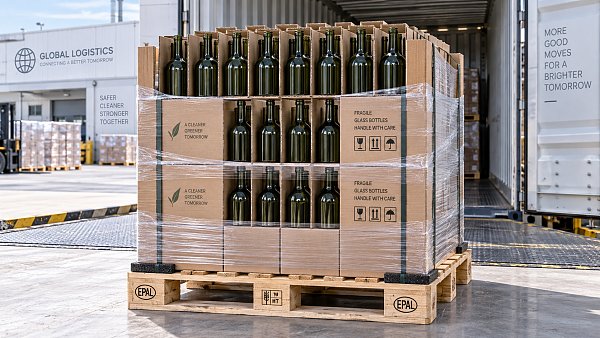
 Carton & PlasticsWhat drives breakage rates in bulk wine bottles wholesale orders?Bulk wine bottles wholesale buyers: discover what drives breakage rates, from glass quality and packaging to pallet loading, and reduce costly claims.Packaging Supply ExpertSep 27, 2026
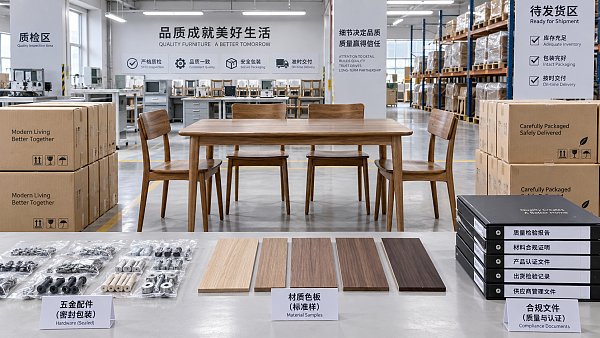
 Office FurnitureHow supplier scorecards reduce risk in furniture procurementFurniture procurement supplier management becomes more resilient with supplier scorecards that track quality, delivery, compliance, and corrective actions. Learn how to reduce sourcing risk.Interior Sourcing LeadSep 26, 2026
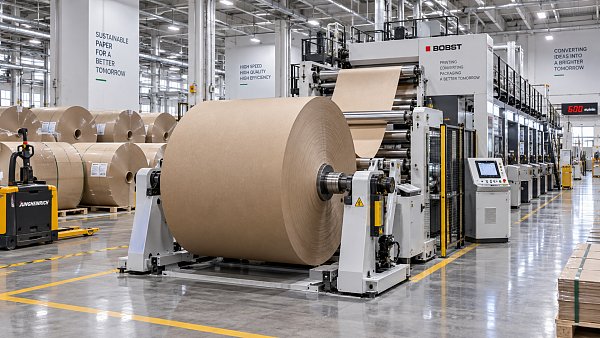
 Office Paper & Printing PaperHow roll diameter affects downtime when using jumbo paper rollsJumbo paper rolls can cut changeovers and downtime—if your unwinder, handling, and tension control can support them. Find the optimal roll diameter for smoother output.Packaging Supply ExpertSep 25, 2026