Industry News
Curation by industry experts
Hot Articles
Popular Tags
Sekisui's Ion Exchange Resin Achieves Localization Breakthrough, Replacing US Amberlyst 15 to Help Chinese Building Material and Chemical Exporters Mitigate Export Control Risks
Sekisui's Ion Exchange Resin Achieves Localization Breakthrough, Replacing US Amberlyst 15 to Help Chinese Building Material and Chemical Exporters Mitigate Export Control Risks
Introduction
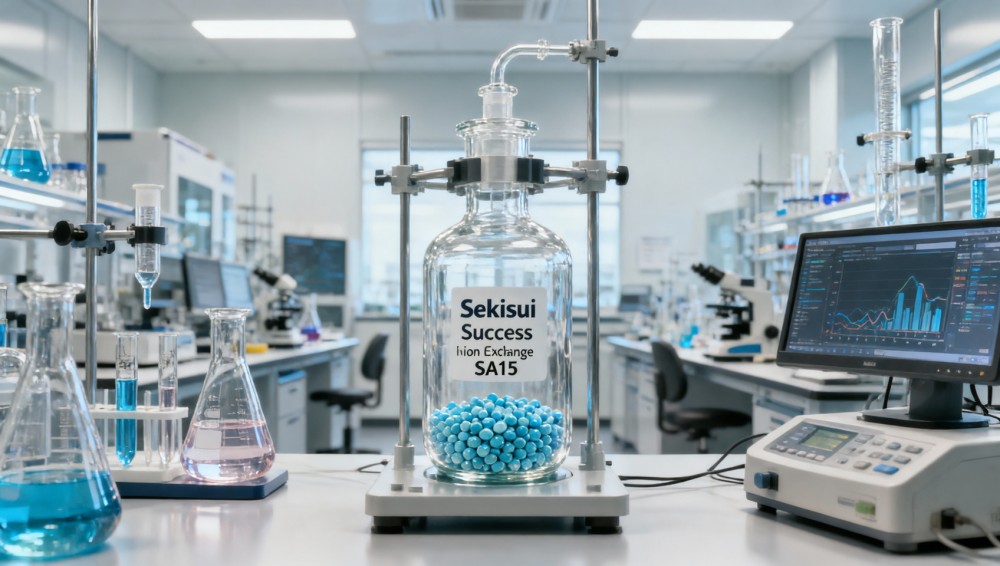
On March 31, 2026, Jiangsu Sekisui announced the successful validation of its Success SA15 resin for key applications such as MTBE/ETBE etherification and olefin hydration, matching the performance of the US-made Amberlyst 15. This breakthrough enables Chinese exporters of fiberglass sizing agents, waterproof coating curing agents, and mineral-reinforced masterbatches to reduce reliance on US-controlled specialty catalysts, ensuring supply chain continuity for clients in markets like the Middle East and Latin America. This development is particularly relevant for building material and chemical manufacturers, as well as export-oriented enterprises facing US trade restrictions.
Event Overview
The announcement confirms that Sekisui's Success SA15 resin has passed industrial validation for critical chemical processes previously dominated by US-supplied Amberlyst 15. The achievement provides a domestic alternative for Chinese manufacturers whose exports were vulnerable to US export controls on specialty catalysts.
Impact on Key Sub-Sectors
1. Fiberglass Sizing Agent Producers
Manufacturers of fiberglass sizing agents, which require stable catalyst supplies for production, can now mitigate risks associated with US export controls. The availability of a domestic alternative may improve production planning and reduce procurement lead times.
2. Waterproof Coating and Curing Agent Suppliers
Companies in this segment often serve international infrastructure projects with strict delivery timelines. The localization of catalyst technology reduces dependency on geopolitical-sensitive supply chains, particularly for exports to markets like the Middle East where US trade policies create uncertainties.
3. Mineral-Reinforced Masterbatch Manufacturers
Export-oriented masterbatch producers supplying plastic compounding industries can now offer more stable supply chain assurances to overseas buyers, especially in regions like Latin America where US trade restrictions have complicated logistics.
Key Considerations for Industry Players
1. Supply Chain Diversification Strategies
Companies currently reliant on imported catalysts should evaluate the technical and commercial viability of transitioning to domestic alternatives, weighing factors like production compatibility and cost structures.
2. Export Market Positioning
Exporters may leverage this development in customer communications, particularly for contracts where supply chain reliability is a competitive differentiator in sensitive markets.
3. Technical Validation Planning
While the resin has passed initial industrial validation, manufacturers should conduct plant-specific trials to confirm performance equivalence in their particular production environments.
Industry Perspective
From an industry standpoint, this development represents more than just a technical substitution—it reflects China's strategic progress in chemical material localization. However, it should be noted that widespread adoption across different applications will require further validation. The breakthrough is particularly significant for industries where catalyst supply chain stability directly impacts export capabilities.
Conclusion
Sekisui's achievement provides Chinese building material and chemical exporters with a viable alternative to navigate US export controls, though full-scale implementation across diverse industrial applications will require continued monitoring. The development underscores the importance of supply chain resilience in geopolitically sensitive sectors.
Source Information
Primary Source: Jiangsu Sekisui official announcement dated March 31, 2026
Note: Performance claims refer specifically to MTBE/ETBE etherification and olefin hydration applications; broader applicability across other chemical processes remains to be verified.
Recommended News
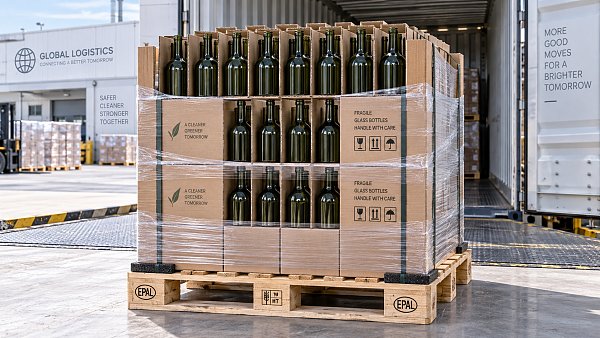
 Carton & PlasticsWhat drives breakage rates in bulk wine bottles wholesale orders?Bulk wine bottles wholesale buyers: discover what drives breakage rates, from glass quality and packaging to pallet loading, and reduce costly claims.Packaging Supply ExpertSep 27, 2026
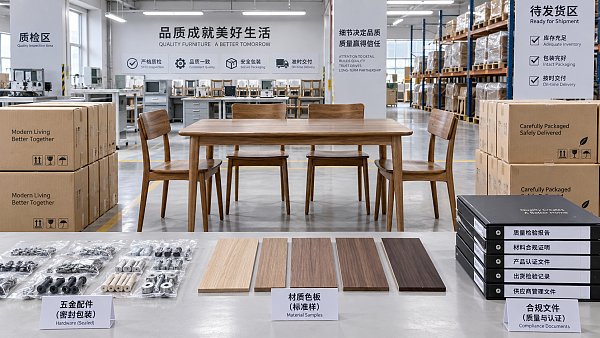
 Office FurnitureHow supplier scorecards reduce risk in furniture procurementFurniture procurement supplier management becomes more resilient with supplier scorecards that track quality, delivery, compliance, and corrective actions. Learn how to reduce sourcing risk.Interior Sourcing LeadSep 26, 2026
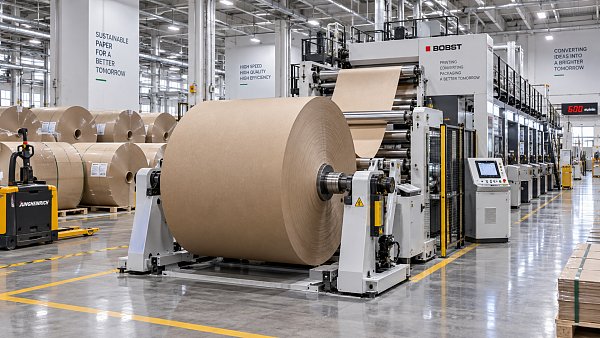
 Office Paper & Printing PaperHow roll diameter affects downtime when using jumbo paper rollsJumbo paper rolls can cut changeovers and downtime—if your unwinder, handling, and tension control can support them. Find the optimal roll diameter for smoother output.Packaging Supply ExpertSep 25, 2026
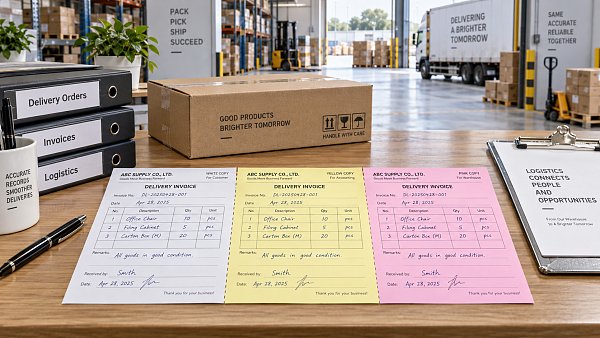
 Office Paper & Printing PaperWhen does carbonless paper for invoices reduce billing errors?Carbonless paper for invoices reduces billing errors by creating clear, consistent copies for deliveries, service calls, and approvals. Learn when it strengthens billing control.Packaging Supply ExpertSep 24, 2026