Industry News
Curation by industry experts
Hot Articles
Popular Tags
Wuxi Expo Opens as Bridal Display Tech Gains Export Traction
On June 22, 2026, the 12th Yangtze River Delta International Cross-Border E-Commerce and Intelligent Manufacturing Expo opened in Wuxi with a visible focus on smart imaging terminals. What stands out for industry participants is not only the concentration of bridal-oriented display devices on the show floor, but also the immediate export response: more than 230 overseas buyers placed orders on site, with 68% of those orders designated for wedding chain channels in the Middle East and Southeast Asia. For manufacturers, trading companies, channel operators, and service providers, this development deserves attention because it links product presentation technology directly to cross-border demand.
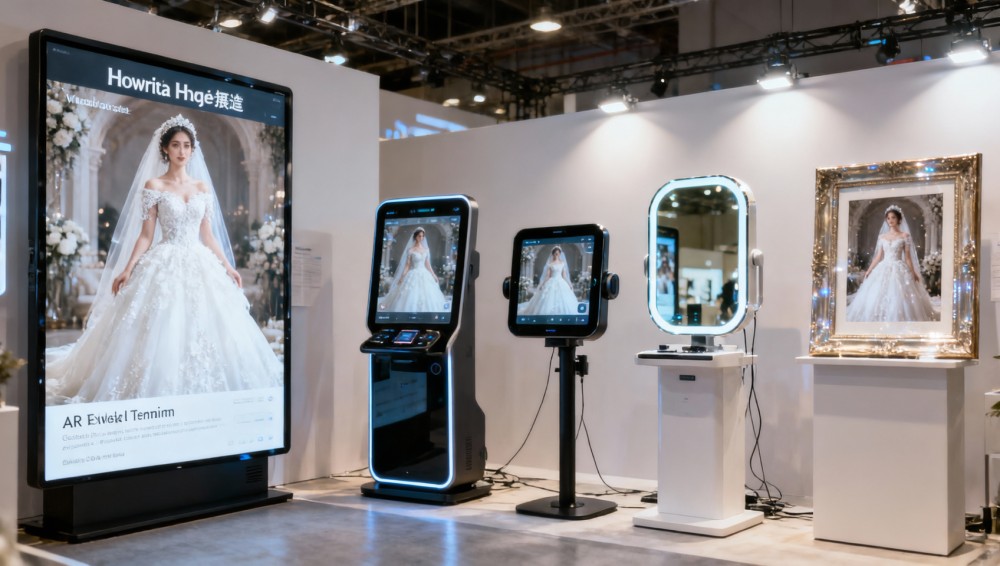
What the Wuxi event has confirmed
The event took place on June 22, 2026 at the 12th Yangtze River Delta International Cross-Border E-Commerce and Intelligent Manufacturing Expo in Wuxi. According to the provided event summary, the exhibition highlighted the smart imaging terminal track.
The products presented included domestic VR interactive screens for bridal sample viewing, AI-driven multilingual virtual makeup mirrors, and commercial digital frames that support AR-based cloud viewing. These categories appeared together as part of the show’s featured display.
The same summary states that more than 230 overseas buyers placed orders at the venue. It also specifies that 68% of those orders were designated for export to wedding chain channels in the Middle East and Southeast Asia.
Why this matters across the business chain
Export traders may need to treat bridal display hardware as a clearer product category
From an industry perspective, this event suggests that bridal-related smart display equipment is being purchased not only as general commercial hardware, but as a more targeted export offering linked to wedding retail and service scenarios. For direct trade companies, the likely impact is on product positioning, quotation structure, and market-facing communication, especially when buyers are already identifying destination channels by region.
Manufacturers face a demand signal tied to presentation, interaction, and localization
Analysis shows that the featured products share a common business logic: they are display and interaction tools designed to improve how bridal content is experienced in-store or across distributed channels. For processing and manufacturing companies, the key impact may fall on model planning, feature prioritization, and delivery coordination, particularly where multilingual interaction and AR- or VR-related functions become part of buyer expectations.
Channel operators and wedding chains may be shaping procurement requirements earlier
Observably, the order destination data points to wedding chain channels in the Middle East and Southeast Asia rather than a purely broad-based consumer electronics flow. For channel distributors and end-use operators, this may influence procurement timing, store rollout decisions, and the selection of devices that can support visual merchandising, remote viewing, or customer-facing consultation workflows.
Cross-border service providers may see more complexity in fulfillment support
For supply chain and service partners, the likely areas of impact include documentation, export coordination, delivery scheduling, and multilingual communication support. What deserves closer attention is whether buyers continue to specify channel use and destination markets at the ordering stage, because that can affect service requirements well before shipment.
What companies should watch next
Check whether demand remains concentrated in specific product functions
Companies should pay close attention to whether buyer interest continues to cluster around VR sample interaction, AI multilingual makeup assistance, and AR cloud viewing. This matters because the event does not indicate that all smart display devices are moving equally; the visible traction is tied to particular bridal-use scenarios.
Prepare for market-specific communication and order follow-through
Because 68% of the reported orders were designated for the Middle East and Southeast Asia wedding chain channels, firms involved in sales, trade execution, and customer service should closely track how destination-market requirements are communicated after the exhibition stage. The practical issue is not only winning orders, but converting them into clear specifications, documentation, and delivery milestones.
Distinguish exhibition momentum from stable repeat demand
Analysis shows that on-site ordering is an important market signal, but it is not the same as confirmed long-cycle demand. Businesses should therefore watch subsequent disclosures, repeat purchasing behavior, and whether the same product types continue to appear in cross-border channel conversations rather than treating one exhibition result as a complete market verdict.
Strengthen supplier and fulfillment readiness around export execution
For companies already active in these categories, a practical priority is to review supplier readiness, order processing, supporting documents, and response timelines. This is especially relevant when products combine hardware display functions with software-enabled features such as multilingual interaction or cloud-based viewing support.
How this signal should be read for now
Observably, this development is best read as a strong near-term signal rather than a fully settled long-term outcome. The concentration of buyer orders around bridal smart imaging devices indicates that overseas demand is not limited to standard display hardware, and that scenario-based equipment is gaining more visibility in export conversations.
At the same time, analysis shows that the current evidence comes from one clearly defined event and from the order information provided in the event summary. That makes it meaningful, but still something the industry should continue to verify through follow-up order execution, repeat demand, and whether similar procurement patterns appear in later trade activity.
A practical reading of the Wuxi development
The Wuxi expo update is significant because it shows bridal smart display equipment being recognized within a cross-border trade setting, not merely as showroom technology but as a product line attracting immediate overseas purchasing interest. For the industry, the main takeaway is not that the market has fully matured, but that a specific export-use case has become more visible and more commercially relevant.
It is more appropriate to understand this as a directional signal with concrete transaction evidence behind it. Companies in manufacturing, export trade, channel distribution, and delivery support should watch whether this momentum extends beyond the exhibition floor into sustained procurement and repeatable cross-border business.
Basis of this article and points for continued verification
This article is based on the user-provided news title, event date, and event summary. The confirmed information used here includes the opening of the 12th Yangtze River Delta International Cross-Border E-Commerce and Intelligent Manufacturing Expo in Wuxi on June 22, 2026, the focus on smart imaging terminals, the showcased bridal-related devices, the presence of more than 230 overseas buyers placing orders on site, and the statement that 68% of those orders were designated for wedding chain channels in the Middle East and Southeast Asia.
For this type of industry update, commonly relevant source categories may include official event announcements, company disclosures, industry association materials, authoritative media reporting, and standards-related documents where applicable. A specific official source link was not provided in the input, so further verification is still needed. The main follow-up areas to watch are whether official post-event statements add detail, whether order execution is confirmed later, and whether the same destination-market and product-category pattern continues to appear in subsequent trade updates.
Recommended News
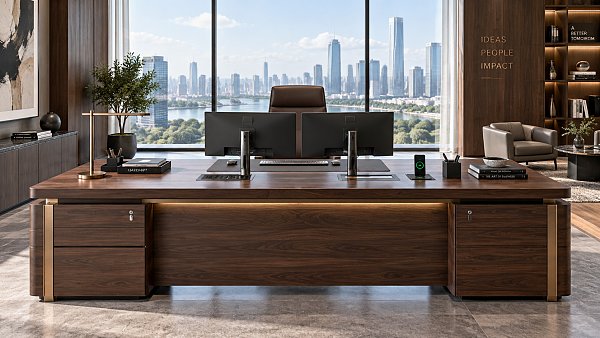
 Office FurnitureWhen does a custom executive office desk justify its higher cost?Discover when a custom executive office desk is worth the investment—from tailored layouts and integrated technology to durable materials and long-term value.Interior Sourcing LeadSep 22, 2026
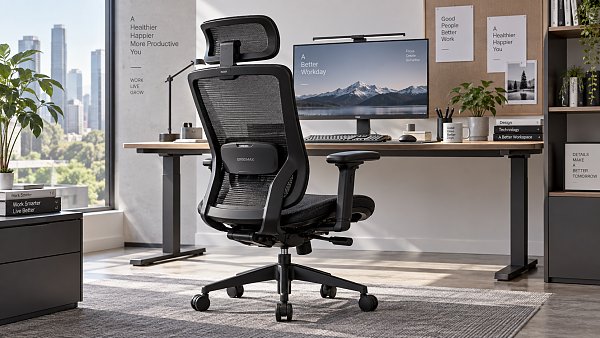
 Office FurnitureWhich high back ergonomic office chairs fit all-day desk work?High back ergonomic office chairs for all-day desk work: compare lumbar support, seat depth, armrests, recline, and materials to find a better fit.Interior Sourcing LeadSep 21, 2026
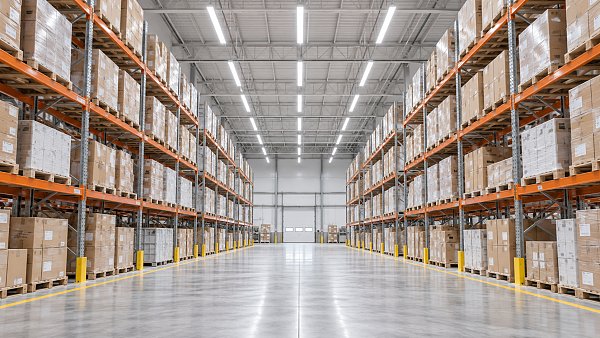
 Commercial LEDWhen does a 200W linear high bay provide enough light for a warehouse?Discover when a 200W linear high bay delivers sufficient warehouse lighting, with practical guidance on lumens, mounting height, aisle layout, and uniformity.Commercial Tech EditorSep 20, 2026
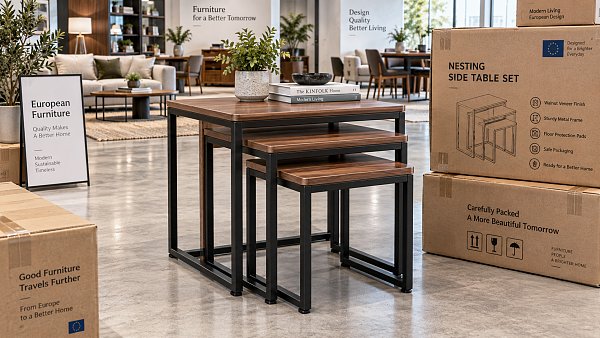
 Home DecorWhat to check before ordering wholesale nesting side tables in EuropeWholesale nesting side tables Europe: assess materials, stability, compliance, packaging, landed cost, and supplier reliability before ordering with confidence.Interior Sourcing LeadSep 19, 2026