Industry News
Curation by industry experts
Hot Articles
Popular Tags
UFO LED High Bay Dimmable: What to Check Before a Warehouse Retrofit
Why a Warehouse Retrofit Needs More Than a Simple Fixture Swap
A warehouse lighting retrofit changes more than energy use. It affects picking accuracy, forklift visibility, maintenance planning, and control flexibility across the whole facility.
That is why a ufo led high bay dimmable upgrade should be judged in context, not as a standalone fixture purchase. The same wattage can perform very differently in different buildings.
In practice, lighting decisions now sit inside broader operational reviews. Facilities want lower consumption, but they also want better control integration, longer service intervals, and cleaner audit data.
This is also where the GSR perspective matters. In global supply environments, commercial lighting is increasingly evaluated like other critical infrastructure: by resilience, compatibility, and lifecycle value.
Actual Site Conditions Change the Right UFO LED High Bay Dimmable Choice
Two warehouses can look similar on paper and still require different retrofit logic. Ceiling height, rack density, shift pattern, dust load, and control zones all change the specification.
A low-bay transition area may need wider beam spread and softer dimming behavior. A tall racking aisle often needs tighter optics and stronger vertical illumination.
Cold storage adds another layer. Drivers, sensors, and emergency backup behavior should be checked under low-temperature operating conditions, not assumed from general catalog claims.
Mixed-use sites are even more common. One building may combine bulk storage, fast-moving dispatch lanes, packing stations, and mezzanine work areas under one retrofit budget.
In those cases, the best ufo led high bay dimmable plan is rarely a single fixture choice everywhere. It is usually a layered layout with matched controls and application-specific beam selection.
Where High Racking Aisles Need a Different Lighting Decision
Tall storage aisles create one of the most frequent retrofit mistakes. Buyers focus on lumen output, but the real issue is how light travels between racks and down to picking levels.
A ufo led high bay dimmable fixture with the wrong beam angle can create bright tops and dim lower shelves. That weakens visual consistency and can reduce scanning reliability.
More useful checks include mounting height, spacing ratio, vertical footcandle targets, and whether aisle alignment needs narrow or medium optics.
- Check if rack height exceeds the assumed design height in the lighting plan.
- Review aisle width before finalizing beam distribution.
- Confirm whether dimming zones follow aisle use or general open-bay areas.
- Test glare from forklift approach angles, not only from floor centerlines.
In a high-rack environment, a narrower optic with reliable dimming control often beats a higher nominal wattage. Light placement matters more than raw fixture count.
Open Storage, Cross-Docking, and Packing Zones Usually Prioritize Different Outcomes
Open storage areas usually need uniform ambient lighting. Cross-docking zones care more about fast visual adaptation, movement safety, and frequent switching cycles.
Packing and inspection stations shift the priority again. There, consistent color rendering and lower flicker often matter more than maximum ceiling-mounted intensity.
This is why one ufo led high bay dimmable specification does not automatically fit the whole warehouse. The operating task changes what “good performance” actually means.
Looking at zones this way prevents a common error: treating every square meter as if it serves the same workflow and deserves the same fixture behavior.
Control Compatibility Often Decides Whether Dimming Delivers Real Savings
A dimmable fixture only creates value when the control path is practical. The spec sheet may say 0-10V dimming, but the building may not be ready to use it well.
Retrofit projects often inherit older wiring layouts, mixed sensors, or basic panel controls. A ufo led high bay dimmable plan should confirm how new fixtures will actually communicate.
Some sites need simple grouped dimming by zone. Others benefit from daylight harvesting near skylights, motion-based reduction in low-traffic aisles, or integration with a building management platform.
More advanced controls are not always better. In dusty or high-vibration facilities, overly complex sensor strategies can become a maintenance burden instead of an efficiency gain.
- Verify dimming protocol and driver compatibility before fixture approval.
- Check minimum dim level, because some spaces cannot tolerate deep reduction.
- Review sensor placement with rack layout and traffic paths.
- Confirm emergency lighting behavior when controls fail or reset.
Maintenance Reality Matters as Much as Initial Efficiency
Energy models often dominate retrofit discussions, but maintenance access can change the economics quickly. In very high ceilings, every lift visit carries cost, downtime, and safety coordination.
That makes driver quality, thermal design, surge protection, and ingress protection practical selection points. A cheaper ufo led high bay dimmable fixture can become expensive if replacement rates rise after installation.
Dusty storage, semi-outdoor loading zones, and hot industrial edges each stress fixtures differently. The right housing and thermal path depend on those local conditions.
This is also where global sourcing discipline becomes useful. GSR-style evaluation does not stop at nominal performance. It asks whether component quality, warranty backing, and documentation are strong enough for long-cycle use.
The Most Common Misreads Before a UFO LED High Bay Dimmable Retrofit
The first misread is comparing only fixture wattage and unit price. That ignores controls, installation complexity, optical fit, and service intervals.
Another is assuming all dimmable high bays behave the same. Driver quality, dimming smoothness, and sensor response can vary enough to affect real operational comfort.
A third is using a generic lighting layout from another building. Rack geometry, reflectance, and traffic intensity can shift the right answer even within the same network.
Cold rooms and loading areas are often underestimated. Temperature swings, moisture exposure, and switching frequency should be tested against fixture ratings early.
The final blind spot is treating retrofit completion as the endpoint. Commissioning, aiming, zoning, and post-install verification usually determine whether the projected savings are real.
A Practical Way to Narrow the Right Fit Before Installation
Start with a map of actual operating zones, not just floor area. Note ceiling heights, aisle widths, work tasks, ambient conditions, and hours of use.
Then compare each candidate ufo led high bay dimmable option against a short decision list. Focus on optics, controls, thermal durability, maintenance access, and documented performance.
A pilot area often gives better guidance than a full-paper comparison. It shows glare, dimming behavior, and visibility changes under the actual workflow.
Before final approval, confirm three things clearly: how the fixture fits the site, how the control system will operate day to day, and what maintenance assumptions support the payback model.
That approach keeps the retrofit grounded in use conditions rather than catalog language. For warehouse projects, that is usually the difference between a basic replacement and a durable lighting upgrade.
Recommended News
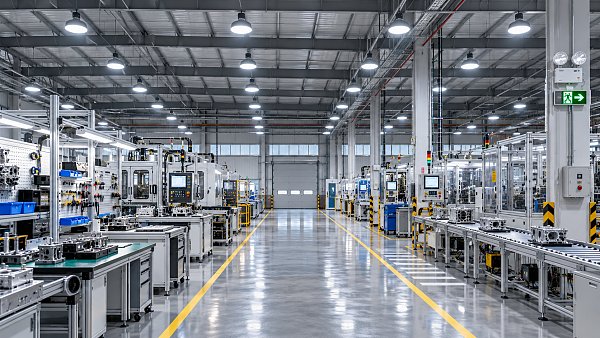
 Commercial LEDHow to choose lighting systems that meet workplace safety needsLighting systems for workplace safety: learn how to control glare, improve visibility, meet environmental demands, and protect workers with reliable, compliant lighting choices.Commercial Tech EditorOct 01, 2026
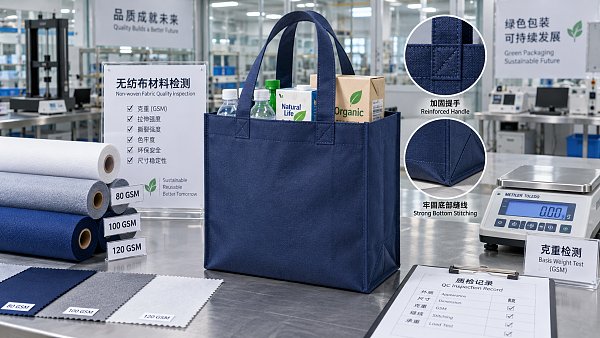
 Fabrics & YarnsWhat fabric weight works best for reusable non woven fabric bags?Non woven fabric for bags: discover the best GSM range for durability, load capacity, print quality, and cost-effective reusable bag sourcing.Textile Industry AnalystSep 30, 2026
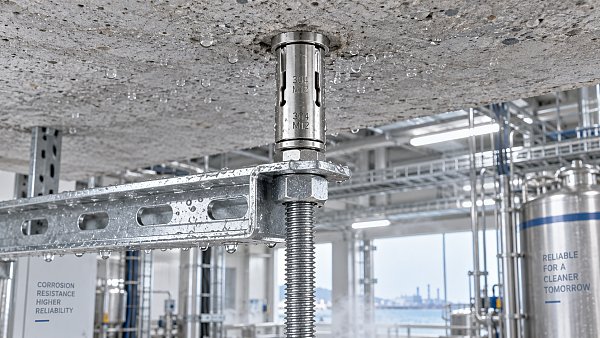
 Industrial FastenersWhen do zinc drop in anchors need corrosion-resistant coatings?Zinc drop in anchors need corrosion-resistant coatings in damp, outdoor, chloride-rich, or chemical environments. Learn how to select durable, approved protection.Tooling & Hardware LeadSep 29, 2026
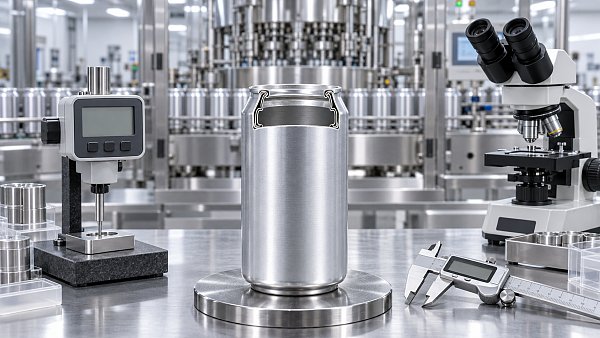
 Carton & PlasticsHow to assess seam quality in 250ml aluminum beverage cansLearn how to assess seam quality in 250ml aluminum beverage cans with practical visual checks, precise measurements, teardown methods, and defect-control guidance.Packaging Supply ExpertSep 28, 2026