Industry News
Curation by industry experts
Hot Articles
Popular Tags
Xiaolinghu Lighting's 5G-Enabled LED System Gains Middle East Interest After Shenzhen Bridge Project
Introduction
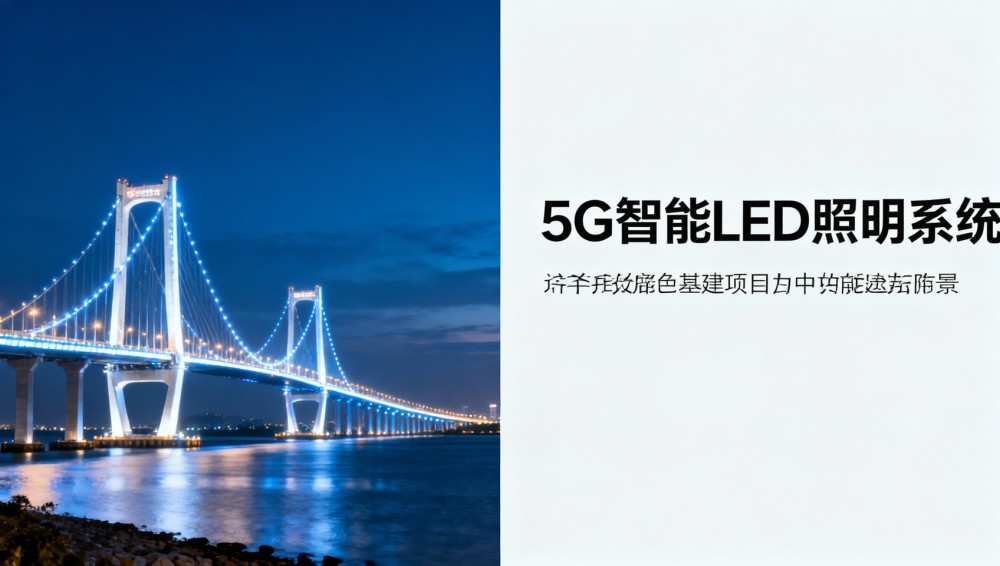
On April 2, 2026, Xiaolinghu Lighting completed an intelligent lighting project for the Shenzhen Qianhai cross-sea bridge, utilizing a 5G-enabled, individually addressable LED system with 30% improved light efficiency. This development has sparked significant interest from Middle Eastern green city infrastructure procurement teams, highlighting China's growing influence in smart lighting solutions under the GSO Green Infrastructure Certification framework. Industries such as smart city technology providers, LED manufacturers, and international trade firms should take note of this trend.
Event Overview
Xiaolinghu Lighting implemented its advanced LED lighting system on the Shenzhen Qianhai cross-sea bridge in early April 2026. The system features 5G remote control capabilities, single-lamp independent addressing, and a 30% improvement in light efficiency, paired with an IoT management platform. Following the project's completion, procurement teams from six Middle Eastern countries, including Saudi Arabia and the UAE, have shown increased interest in the technology.
Impact on Specific Industries
Smart City Technology Providers
The successful implementation of this project demonstrates the growing demand for intelligent lighting solutions in urban infrastructure. Companies specializing in smart city technologies may see increased opportunities in markets prioritizing green certification.
LED Manufacturers
Manufacturers of high-efficiency LED components should note the specific technical requirements that made this project successful, particularly the 5G compatibility and individual lamp control features.
International Trade Firms
The surge in Middle Eastern inquiries suggests new export opportunities for Chinese lighting solutions, particularly in regions adopting GSO Green Infrastructure standards.
Key Considerations for Businesses
Monitor GSO Certification Developments
Companies should track updates to the GSO Green Infrastructure Certification framework, as compliance may become a key factor in international procurement decisions.
Evaluate 5G Integration Capabilities
The project highlights the importance of 5G compatibility in modern lighting systems. Manufacturers should assess their ability to integrate this technology into their product lines.
Prepare for Middle Eastern Market Entry
Businesses interested in this emerging market should develop strategies to meet regional certification requirements and adapt to local infrastructure needs.
Editor's Perspective
From an industry standpoint, this development appears to signal a shift toward more sophisticated, connected lighting solutions in international infrastructure projects. While the immediate impact is seen in increased inquiries, the long-term implications could include broader adoption of Chinese smart lighting technologies in global green building initiatives. The industry should watch for follow-up projects and procurement patterns to confirm whether this represents a sustained trend.
Conclusion
The Xiaolinghu Lighting project demonstrates China's growing capability in smart, sustainable lighting solutions. While the Middle Eastern interest is noteworthy, the industry should view this as an indicator of potential rather than an established market shift. Companies would be prudent to monitor similar projects and international certification trends while evaluating their own technological readiness.
Source Information
Primary source: Xiaolinghu Lighting project announcement (April 2026). The ongoing market response from Middle Eastern countries remains an area for continued observation.
Recommended News
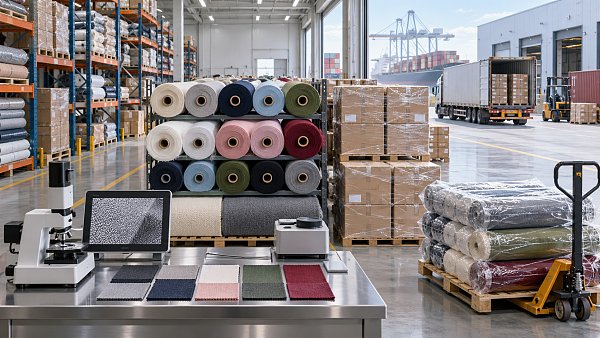
 Fabrics & YarnsWhat drives textile procurement cost beyond the quoted fabric price?Textile procurement cost goes far beyond the quoted fabric price. Discover how freight, quality, MOQ, compliance, payment terms, and supplier reliability shape total sourcing cost.Textile Industry AnalystOct 07, 2026
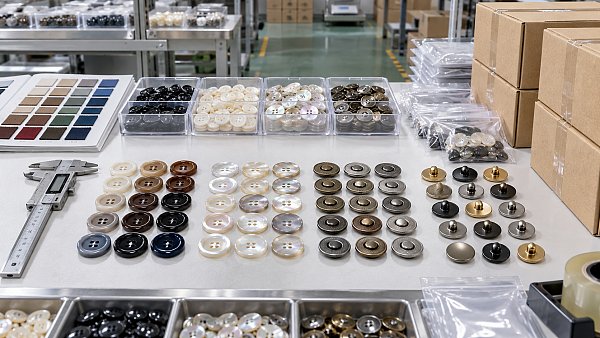
 Garment MfgWhat drives unit costs when buying garment buttons wholesale?Garment buttons wholesale costs depend on material, tooling, finish, MOQ, quality, packing, and freight. Learn how to compare true landed costs and source reliably.Textile Industry AnalystOct 06, 2026
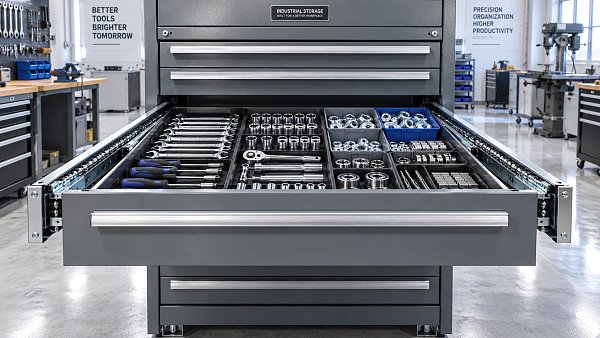
 Building HardwareWhat load rating should you specify for wholesale ball bearing slides?Wholesale ball bearing slides: learn how to specify the right load rating for drawer weight, extension, mounting, and durability. Source smarter and reduce failures.Tooling & Hardware LeadOct 05, 2026
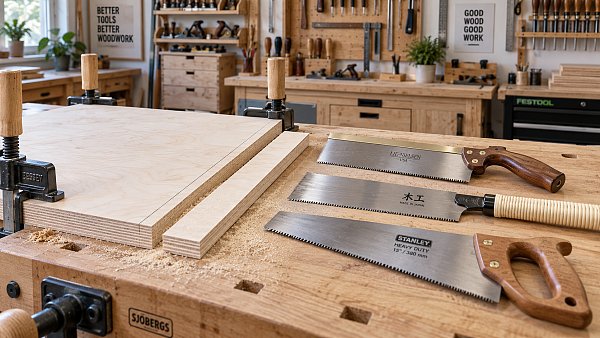
 Hand & Power ToolsHow to choose a hand saw for woodworking without tear-outHand saw for woodworking guide: choose the right tooth pattern, blade, and technique to achieve clean, precise cuts with less tear-out. Explore practical buying tips.Tooling & Hardware LeadOct 04, 2026