Industry News
Curation by industry experts
Hot Articles
Popular Tags
How to Evaluate a Plastic Bag Blowing Machine Supplier for Output and Film Quality
Start with the link between machine design and the film you actually need to run. A plastic bag blowing machine supplier should be evaluated against the resin mix, bag format, width range, thickness tolerance, and expected line stability, not against a generic catalog description. A line that performs acceptably on simple HDPE shopping bags may struggle when the application shifts to LDPE liners, co-extruded film, recycled content, or thinner gauges where bubble stability becomes harder to control. If the supplier cannot discuss output in relation to material grade, melt flow behavior, frost line stability, die design, and winding conditions, the technical conversation is still too shallow for a serious decision.
Output claims deserve careful interpretation. Nameplate capacity often reflects favorable conditions such as a narrow width band, a single resin family, a relatively thick gauge, or limited changeover frequency. What matters is usable output over a normal production shift after startup, bubble adjustment, roll changes, and expected scrap. Ask for the output window by material and thickness, not a single maximum figure. A credible answer should separate extrusion capacity from finished bag productivity, because a line can produce enough film resin throughput while still creating bottlenecks in cooling, collapsing frame control, winding tension, or downstream sealing compatibility.
Look past the top speed and into process stability
Film quality problems often come from instability rather than obvious machine failure. A supplier worth considering should be able to explain how the line holds steady bubble diameter, thickness distribution, and winding quality over time. Areas worth probing include screw geometry, barrel heating zone control, die head machining accuracy, air ring design, internal bubble cooling if applicable, nip roller consistency, and the responsiveness of the control system during recipe changes. When these details are vague, the risk is that acceptable samples were produced under supervised test conditions, while daily production becomes highly operator-dependent.
For thin film or wide layflat applications, the cooling and air management arrangement often deserves as much attention as the extruder itself. Uneven cooling can show up as gauge variation, wrinkles, unstable frost line movement, or weak roll formation. A supplier should be able to explain whether the air ring is standard or adapted for the target film structure, how airflow is balanced, and what adjustments are available when ambient temperature changes. In some workshops, seasonal temperature and humidity swings affect bubble behavior enough that a machine which looked stable during inspection may require much tighter process discipline after installation.
Evaluate film quality through measurable production evidence
Sample rolls are useful, but they are not enough on their own. Ask for trial conditions in detail: resin type, percentage of recycled material if any, film width, target thickness, die size, screw speed, haul-off speed, and whether the sample came from a continuous run or a short demonstration. Without that context, a smooth-looking roll says very little. Film gloss, haze, dart impact, tensile balance, sealability, and coefficient of friction may all matter depending on bag use, and some of these properties depend partly on formulation. The point is to confirm what the machine contributes and what is being achieved mainly through favorable raw material selection.
Gauge consistency should be discussed in practical terms. If the planned application includes very thin carrier bags or garbage bags where downgauging matters, ask how the supplier verifies thickness uniformity across the web and over roll length. A competent plastic bag blowing machine supplier should be comfortable discussing die gap consistency, mandrel finish, temperature profile control, and how often operators need manual correction. Film that averages the target thickness can still perform poorly if local thin spots create seal weakness or tearing during bag conversion.
Pay attention to the winding section. A technically sound extrusion bubble can still end in commercially unusable rolls if edge alignment drifts, tension is poorly controlled, or roll hardness varies from core to surface. Telescoping rolls, trapped air, loose edges, and uneven roll build affect storage, transport, and downstream bag making. When evaluating a supplier, ask how winding parameters are controlled for different film gauges and widths, and whether recipes can be stored for repeat production. This matters especially where multiple SKUs require frequent changes.
Supplier capability shows up in the questions they ask back
Serious manufacturers usually ask for product details before confirming a configuration. They will want to know resin families, target output band, finished bag dimensions, whether gusseting is required, expected annual run hours, local power conditions, available compressed air, and whether the line must integrate with existing printing or sealing equipment. If the conversation jumps too quickly to quotation and delivery time, there is a fair chance the machine offered is a standard template rather than a well-matched production tool.
The most revealing discussions often concern the difficult parts of the process: handling high filler content, processing reclaimed material with contamination risk, stabilizing very low thickness film, or switching between HDPE and LDPE. A supplier who can explain likely tradeoffs is usually more reliable than one who claims broad compatibility without qualification. In blown film, flexibility often exists, but not without compromises in output, energy use, surface quality, or operator workload.
Machine configuration should match the operating reality
Single-layer lines may be sufficient for straightforward packaging where cost control and maintenance simplicity outweigh higher technical demands. For more specialized bag applications, multi-layer capability may be necessary to balance stiffness, toughness, seal strength, or surface performance. The supplier should explain why a given configuration is appropriate, including screw diameter, L/D ratio, die type, tower height, take-up arrangement, and winding options. Overspecification can create unnecessary complexity, while underspecification usually shows up later as quality complaints, excessive scrap, or inability to run the intended resin blend efficiently.
Motor and drive selection also deserves attention. Stable extrusion depends on more than installed power. Ask about drive control accuracy at low and high speeds, torque reserve for tougher formulations, and whether the line maintains a smooth melt output during long runs. In practical terms, poor drive behavior may appear as thickness fluctuation or unstable output during speed ramps. Electrical component accessibility, spare part lead time, and cabinet layout also matter because downtime from a minor control failure can disrupt production far beyond the value of the failed part itself.
If recycled resin is part of the plan, bring that into the evaluation early. Reprocessed material can behave differently in melt pressure, odor, contamination load, and moisture sensitivity. The supplier should state whether the screw and die setup are suited for such material, whether screen changing frequency is likely to rise, and whether output expectations should be adjusted. Many misunderstandings come from assuming a line proven on clean virgin resin will deliver the same surface finish and stability with mixed reclaim.
Quality control at the supplier's factory matters more than a polished demo
Inspection should go beyond watching a machine run. Focus on machining consistency, assembly discipline, and how components are documented. Look at the die head finish, heater band layout, wiring organization, pneumatic routing, gearbox mounting, roller surface treatment, and guarding. Ask how key parts are inspected before shipment and whether test records are kept for temperature control, motor rotation, vibration, or no-load commissioning. These details indicate whether the supplier builds repeatable equipment or relies on final-stage adjustment to correct variation.
Ask where the critical components are made and how replacements are handled. A supplier may assemble the machine in-house but source heaters, inverters, temperature controllers, bearings, or air blowers from multiple channels depending on availability. That does not automatically create a problem, but it affects spare parts consistency and troubleshooting. Clear part identification, manuals with electrical drawings, and a structured spare list reduce future dependency on informal communication.
Installation support should be tested before the order is placed
After-sales support is often described in general language, so make it concrete. Clarify who handles installation supervision, startup tuning, operator training, and remote troubleshooting. For a blown film line, early commissioning usually requires practical guidance on bubble formation, die centering, air volume adjustment, nip alignment, and winding setup. If the supplier cannot define the startup scope, the burden may fall on local technicians who are unfamiliar with the specific machine configuration.
Training quality affects output and film quality directly. Good training is not limited to screen navigation. It should cover safe startup and shutdown, resin change procedures, screen replacement, heater checks, cleaning around the die, roll change discipline, and the symptoms of common defects such as die lines, gels, blocking, gauge drift, and unstable winding. Without this, a technically capable line may still produce inconsistent results because operators are left to develop their own settings by trial and error.
Maintenance intervals should be realistic and linked to actual wear points. Ask about screw and barrel inspection, gearbox lubrication routines, heater replacement access, calibration of temperature zones, and alignment checks for haul-off and winding sections. When maintenance tasks require excessive disassembly or special tools, they tend to be postponed, and performance gradually declines. Ease of cleaning is particularly relevant if color changes or resin changes happen often.
Commercial terms should be tied to technical acceptance
Commercial comparison is stronger when acceptance conditions are written around agreed production parameters. Instead of relying on a broad statement that the line will run properly, define the material type, width range, thickness range, core components included, utility requirements, and the basis for trial acceptance. If bag conversion equipment is already in use, compatibility with roll dimensions, tension characteristics, and sealing expectations should also be stated where possible. This reduces disputes caused by each side assuming a different production condition.
Packing and transport details matter for machines with towers, rollers, dies, and control cabinets that can lose alignment or suffer surface damage during transit. Ask how the line is dismantled for shipment, how machined surfaces are protected, whether moisture-sensitive electrical parts are sealed, and what installation checks are recommended after arrival. Long-distance sea transport, inland transfer, and delayed customs clearance can all affect the condition in which the machine reaches the plant.
Lead time should be examined together with the build sequence. A short promised delivery may sound attractive, but it can indicate a generic machine not fully adapted to the application, or a schedule dependent on outside component availability. Ask when drawings are finalized, when key components are procured, when assembly begins, and at what stage factory testing occurs. A more transparent schedule is often more useful than a shorter one with unclear assumptions.
Common evaluation mistakes
- Choosing on maximum output alone, then discovering that the required film thickness or resin blend can only run steadily at a much lower rate.
- Approving the supplier based on a sample roll without recording the trial setup, resin condition, and duration of the run.
- Ignoring winding quality because the extrusion bubble looked stable during inspection.
- Assuming all blown film lines can handle recycled material with similar surface quality and screen change frequency.
- Underestimating the value of startup support, especially where local teams have limited familiarity with bubble tuning and recipe stabilization.
- Comparing quotations without aligning the exact machine scope, auxiliary equipment, electrical standard, spare package, and commissioning responsibility.
A suitable plastic bag blowing machine supplier is usually the one that can connect machine configuration, material behavior, and plant conditions into a credible production picture. The strongest signal is not a broad promise of performance. It is specific, technically consistent answers that still hold up when the discussion moves from showroom samples to normal shift production, maintenance routines, and roll quality at the bag-making stage.
Recommended News
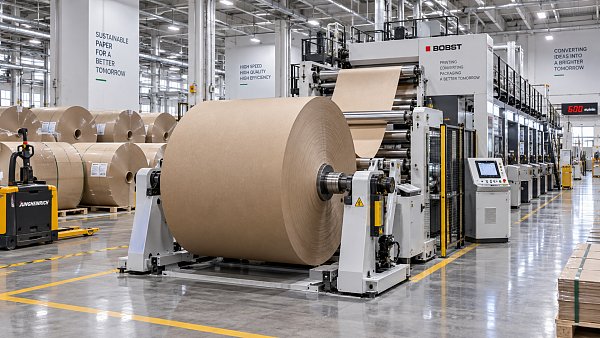
 Office Paper & Printing PaperHow roll diameter affects downtime when using jumbo paper rollsJumbo paper rolls can cut changeovers and downtime—if your unwinder, handling, and tension control can support them. Find the optimal roll diameter for smoother output.Packaging Supply ExpertSep 25, 2026
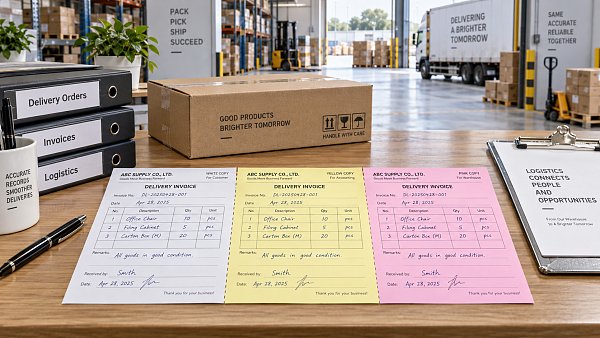
 Office Paper & Printing PaperWhen does carbonless paper for invoices reduce billing errors?Carbonless paper for invoices reduces billing errors by creating clear, consistent copies for deliveries, service calls, and approvals. Learn when it strengthens billing control.Packaging Supply ExpertSep 24, 2026
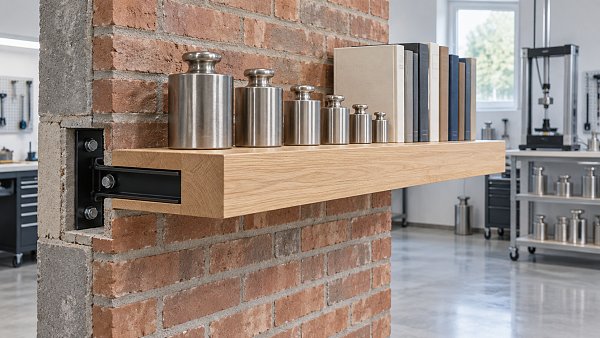
 Home DecorHow to compare floating wall shelves suppliers for consistent load capacityFloating wall shelves supplier comparison guide: evaluate load capacity, brackets, wall fixings, testing, and production consistency before you buy.Interior Sourcing LeadSep 23, 2026
 Office FurnitureWhen does a custom executive office desk justify its higher cost?Discover when a custom executive office desk is worth the investment—from tailored layouts and integrated technology to durable materials and long-term value.Interior Sourcing LeadSep 22, 2026