Industry News
Curation by industry experts
Hot Articles
Popular Tags
Vietnam Launches Anti-Dumping Probe on Chinese Food-Grade Plastic Packaging: Short-Term Cost and Delivery Impacts Expected in Southeast Asia
Introduction
On March 28, 2026, Vietnam's Ministry of Industry and Trade initiated an anti-dumping investigation targeting food-grade PP/PS plastic packaging boxes (HS codes 39232100, 39232900) imported from China. The move directly affects over 200 Chinese exporters in southern China and may disrupt supply chains for Southeast Asian buyers reliant on cost-competitive Chinese packaging. Industries dependent on these materials—particularly food processing, logistics, and retail—should monitor developments as preliminary rulings could reshape regional procurement patterns by June 2026.
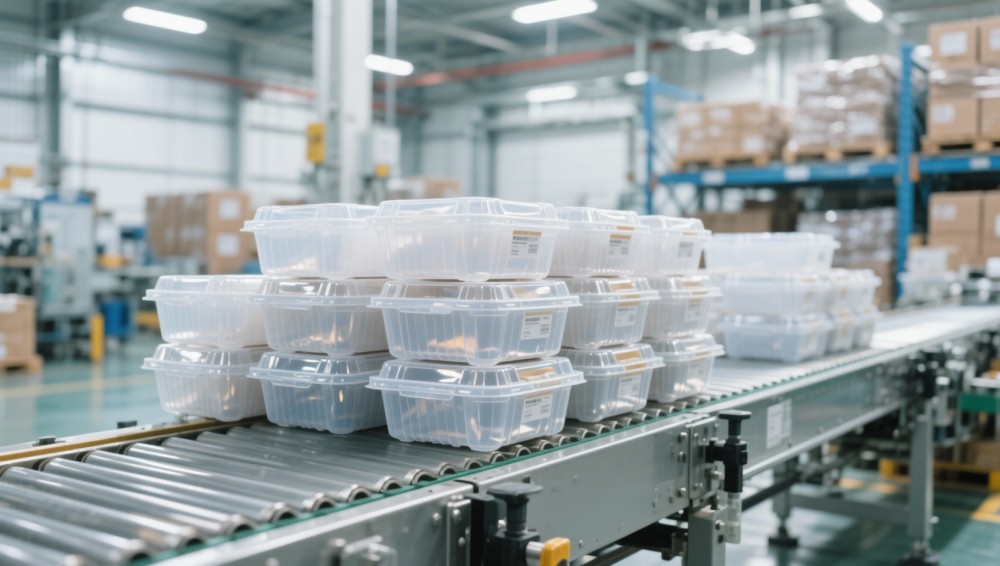
Event Overview
The investigation follows evidence showing Chinese export prices undercut Vietnamese domestic prices by 22%–35%, with the products accounting for 63% of Vietnam’s annual imports in this category. Some Chinese exporters have already reported delayed shipments as buyers await clarity on potential tariffs. The Vietnamese authorities are expected to issue preliminary findings by June 2026.
Industries Affected
1. Direct Exporters (China)
Over 200 packaging manufacturers in southern China, primarily Guangdong and Fujian provinces, face immediate order suspensions or cancellations. These businesses contribute significantly to Vietnam’s food packaging supply chain, and prolonged tariffs could force them to seek alternative markets.
2. Vietnamese Food Processors
Local manufacturers relying on affordable Chinese packaging may see material costs rise by 15%–25% if duties are imposed. Small and mid-sized enterprises (SMEs) with tight margins could delay production or renegotiate contracts.
3. Southeast Asian Buyers
Importers in Thailand, Malaysia, and Cambodia sourcing Chinese packaging via Vietnam may experience longer lead times (2–4 weeks) and higher costs as supply chains adjust. Some may shift to regional alternatives, though quality and capacity constraints could limit options.
Key Actions for Businesses
Monitor Regulatory Timelines
Track Vietnam’s June preliminary ruling and subsequent hearings. Exporters should prepare cost-breakdown documentation to contest dumping allegations if needed.
Diversify Supply Chains
Buyers in Southeast Asia may explore short-term stockpiling or qualify suppliers from Indonesia or India, though these markets currently lack equivalent scale.
Assess Contract Flexibility
Review force majeure clauses and pricing terms with Chinese suppliers to mitigate abrupt cost increases. Some exporters may absorb partial tariff impacts to retain market share.
Industry Perspective
Analysis suggests this probe reflects Vietnam’s broader strategy to shield its growing plastics industry. While the immediate focus is on food packaging, the outcome could set a precedent for other polymer product categories. Businesses should treat this as an early signal of tightening trade conditions rather than an isolated event.
Conclusion
The investigation underscores rising trade tensions in Southeast Asia’s industrial supply chains. For now, stakeholders should prioritize contingency planning while awaiting clearer policy directions from Vietnamese authorities.
Sources
- Vietnam Ministry of Industry and Trade Announcement (March 28, 2026)
- HS code trade volume data from Vietnam Customs
- Pending: Preliminary ruling details (expected June 2026)
Recommended News
 Carton & PlasticsWhat drives breakage rates in bulk wine bottles wholesale orders?Bulk wine bottles wholesale buyers: discover what drives breakage rates, from glass quality and packaging to pallet loading, and reduce costly claims.Packaging Supply ExpertSep 27, 2026
 Office FurnitureHow supplier scorecards reduce risk in furniture procurementFurniture procurement supplier management becomes more resilient with supplier scorecards that track quality, delivery, compliance, and corrective actions. Learn how to reduce sourcing risk.Interior Sourcing LeadSep 26, 2026
 Office Paper & Printing PaperHow roll diameter affects downtime when using jumbo paper rollsJumbo paper rolls can cut changeovers and downtime—if your unwinder, handling, and tension control can support them. Find the optimal roll diameter for smoother output.Packaging Supply ExpertSep 25, 2026
 Office Paper & Printing PaperWhen does carbonless paper for invoices reduce billing errors?Carbonless paper for invoices reduces billing errors by creating clear, consistent copies for deliveries, service calls, and approvals. Learn when it strengthens billing control.Packaging Supply ExpertSep 24, 2026