Industry News
Curation by industry experts
Hot Articles
Popular Tags
SGS Opens 7-Day Route for Compostable Bridal Box Board
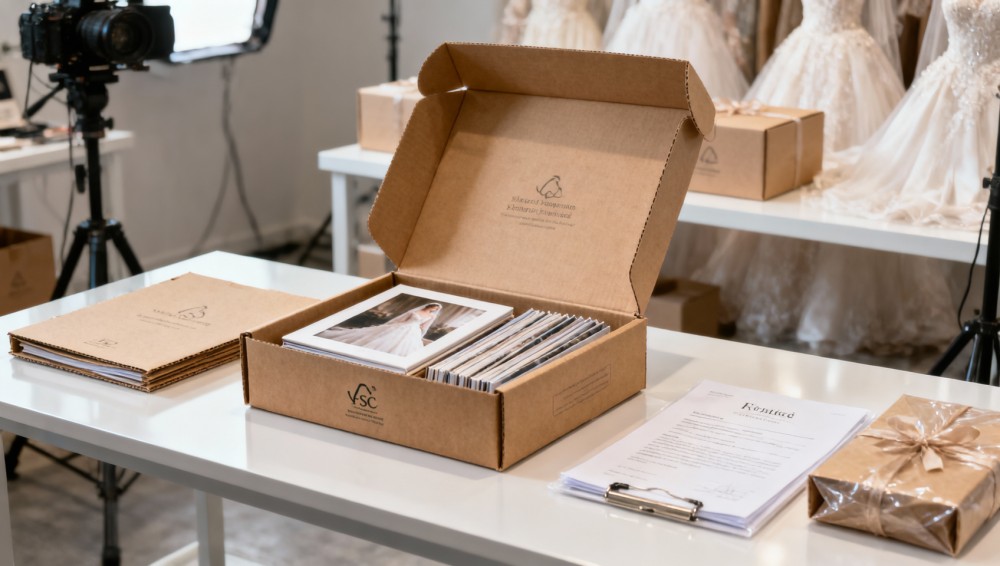
On June 3, 2026, SGS announced a combined certification service in China’s Yangtze River Delta for compostable paperboard under EN13432 together with an EPR registration package, aimed at FSC-certified paperboard used in bridal photography gift boxes. For exporters, packaging manufacturers, sourcing teams, and compliance service providers connected to EU-bound packaging, the development is worth watching because it links material verification, certification timing, and market-entry documentation into a shorter process tied to EPR access requirements.
What SGS officially announced
According to the information provided, SGS launched the joint service on June 3, 2026 in the Yangtze River Delta region of China. The service combines compostable paperboard certification under EN13432 with an EPR registration package.
The stated application scope is FSC-certified paperboard used for bridal photography gift boxes. SGS said the service can issue a full-chain technical documentation package that meets EU EPR access requirements within seven working days.
The announcement also states that the service is designed to address two pain points for exporting companies: long certification cycles and difficulty in tracing materials. A first batch of 23 packaging factories in Ningbo and Dongguan has already signed up.
Why this matters across the packaging chain
Export-facing packaging suppliers may see time pressure shift
Analysis shows this development is most relevant for packaging producers serving export orders tied to EU compliance expectations. If certification files and EPR-related documentation can be prepared within a shorter window, the impact is likely to be felt first in quotation timelines, sample confirmation, and delivery scheduling for packaging projects that require supporting documents before shipment or customer approval.
What deserves closer attention is whether buyers begin to treat documentation speed as part of supplier selection, especially in packaging categories where material claims and traceability already affect order conversion.
Material sourcing teams may need tighter document matching
From an industry perspective, sourcing teams working with FSC-certified paperboard may be affected because the service explicitly connects material attributes, traceability, and market-entry paperwork. The immediate business implication is less about changing the material itself and more about whether upstream paperboard records can be matched cleanly to downstream compliance files.
For companies purchasing board for bridal gift box applications, the practical issue to watch is whether internal procurement records, supplier certificates, and technical files can support a faster certification cycle without creating document gaps.
Compliance and supply-chain service providers may face new coordination demands
Observably, the service also matters to firms handling export compliance, customer documentation, and supply-chain coordination. When certification and EPR-related materials are packaged together, service teams may need to align testing, registration preparation, and shipment readiness more closely than before.
The likely effect is operational rather than purely regulatory: more pressure on document completeness, version control, and client communication when timelines are shortened.
What companies should watch now
How the service is described in follow-up communications
Companies should pay attention to how SGS continues to describe the scope of the service, especially around EN13432, EPR access documentation, and the specific applicability to bridal photography gift box paperboard. The distinction between a certification package and actual market acceptance remains a practical point for customer-facing teams to communicate carefully.
Whether target orders fall within the stated material scope
The current information refers specifically to FSC-certified paperboard used in bridal photography gift boxes. Businesses should therefore check whether their export SKUs, board grades, and customer documentation needs align with that stated scope before treating the service as a direct fit for broader packaging lines.
Whether traceability files are ready before certification begins
Analysis shows the service is aimed at solving material traceability difficulties as well as long certification cycles. That means companies may need to review whether supplier credentials, purchase records, and chain-of-document materials are already organized in a way that supports a seven-working-day process.
How customer communication is handled around timing
For sales, account management, and delivery teams, a shorter stated turnaround may affect how commitments are discussed with overseas buyers. What deserves closer attention is not only the certification timeline itself, but also how companies explain dependencies, document readiness, and any distinction between technical file issuance and subsequent customer or market-side acceptance steps.
How this development is best understood
From an editorial perspective, this news is better understood as a targeted operational signal rather than a broad market conclusion. It indicates that service providers are responding to exporter demand for faster documentation and clearer traceability in packaging tied to EU entry requirements.
At the same time, it would be premature to treat the announcement alone as proof of a wider industry shift across all paperboard packaging categories. The confirmed facts show service launch, scope, speed, and initial sign-ups; broader adoption, customer acceptance patterns, and replication into other packaging segments still require observation.
A near-term compliance signal, not a final market verdict
In practical terms, the announcement highlights where current pressure points sit for export packaging: certification lead time, traceability, and the ability to assemble market-entry documents efficiently. For bridal photography gift box suppliers and related service partners, the immediate value of the news lies in process implications rather than in any confirmed change to end-market demand.
It is more appropriate to understand this as a near-term compliance and execution signal with longer-term relevance if similar bundled services gain traction in adjacent packaging applications. For now, the industry focus should remain on scope, documentation readiness, and how customers respond in live export transactions.
Basis of this report
This article is based on the user-provided news title, event date, and event summary. For developments of this kind, commonly relevant source types may include official announcements, company statements, industry association updates, authoritative media coverage, and standard-related documents.
No specific official source link was provided in the input, so the exact primary-source documentation still needs ongoing verification. Areas for continued attention include any later clarification of service scope, wording around EPR-related access requirements, and whether the offering expands beyond the currently stated packaging application.
Recommended News
 Export UpdatesChina’s Textile and Apparel Exports Rise 5.1% to $232.97 Billion in January–September 2026China’s textile and apparel exports rose 5.1% to $232.97 billion in January–September 2026. Explore September’s surge and key considerations for bridal suppliers.Oct 22, 2026
 Home DecorCan wholesale woven storage basket suppliers mix styles in one order?Can a wholesale woven storage baskets supplier mix styles in one order? Explore MOQ rules, packing options, and cost considerations to build a smarter assortment before you buy.Interior Sourcing LeadOct 22, 2026
 Policy & RegulationsEU Apparel Exports Face PFHxA Limits and New PPWR Packaging RulesEU apparel exports face PFHxA limits and PPWR packaging rules. Explore key compliance checks to protect bridalwear shipments, manage unsold stock and reduce delivery risks.Oct 21, 2026
 Outdoor FurnitureIs a rattan wicker patio sofa suitable for an uncovered patio?Is a rattan wicker patio sofa right for your uncovered patio? Discover which materials, frames, and cushions withstand outdoor exposure—and what to check before you buy.Interior Sourcing LeadOct 21, 2026