Industry News
Curation by industry experts
Hot Articles
Popular Tags
China-South Korea Fashion Pact Launches Digital Fabric Platform
Introduction
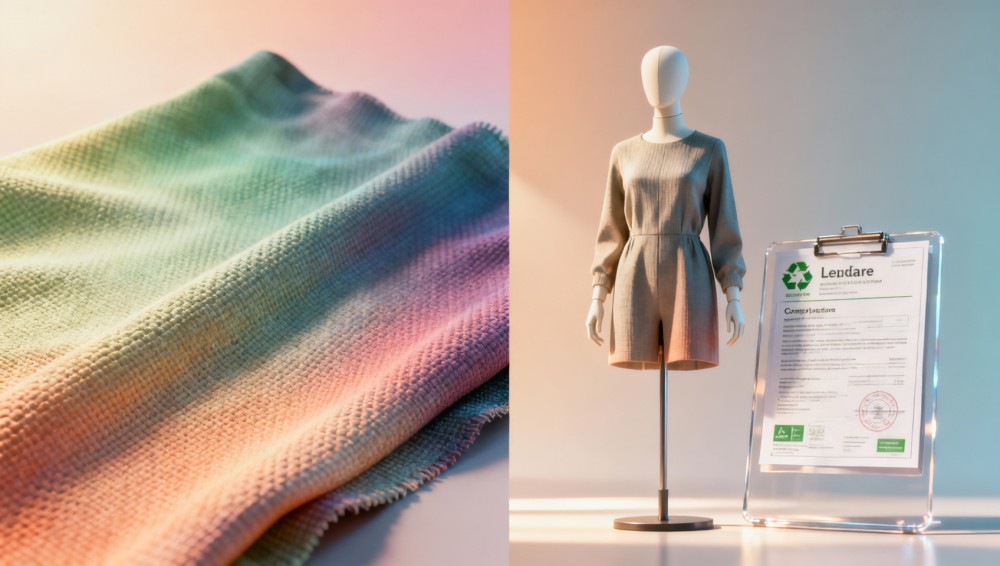
On March 28, 2026, the China-South Korea Fashion Design Association and Busan Fashion Center signed a memorandum to establish the 'Busan-Shaoxing Digital Fabric Cloud Platform.' This initiative integrates over 2,000 3D data models of Keqiao’s eco-friendly functional fabrics with sustainability certifications, enabling remote sampling, virtual prototyping, and instant compliance document retrieval for brands and buyers across South Korea and the Asia-Pacific region. The collaboration is set to significantly shorten the design-to-production cycle, impacting cross-border textile trade, digital supply chains, and sustainable fashion practices.
Event Overview
The agreement formalizes a digital bridge between China’s Keqiao textile hub (Shaoxing) and South Korea’s Busan fashion industry. Key confirmed details include:
- Platform Scope: 2,000+ digitally cataloged fabrics from Keqiao, featuring green certifications and 3D material simulations.
- Functionality: Remote sampling, virtual garment prototyping, and automated compliance checks for export/import regulations.
- Participants: South Korean apparel brands, APAC fast-fashion buyers, and designers.
Impact on Sub-Sectors
1. Cross-Border Textile Traders
The platform reduces physical sample shipping costs and accelerates decision-making for fabric procurement. Traders dealing with functional or sustainable fabrics should prioritize aligning their inventory with the digital catalog standards.
2. Apparel Manufacturers
Factories serving Korean brands may face shorter lead-time demands. Adopting compatible 3D design tools (e.g., CLO3D) will be critical to maintain competitiveness.
3. Sustainability Certification Providers
Increased demand for standardized eco-labels (e.g., GRS, Oeko-Tex) as digitized compliance documents become a prerequisite for platform access.
Key Action Points for Industry Players
Monitor Platform Integration Timelines
Brands should verify phased rollout plans for API integrations with existing PLM/ERP systems.
Audit Digital Fabric Libraries
Suppliers must ensure 3D fabric scans and certification records meet the platform’s technical specifications.
Evaluate Virtual Prototyping Workflows
Design teams should test the platform’s compatibility with their current digital design pipelines.
Industry Observation
Analysis suggests this initiative signals a broader shift toward hybrid physical-digital supply chains in Asia. While the platform’s initial scale is limited to Keqiao-Busan trade, its success could prompt similar EU or ASEAN partnerships. However, current data indicates only ~15% of APAC brands have fully digitized sampling processes—highlighting adoption barriers.
Conclusion
This partnership reflects strategic alignment between China’s textile innovation and South Korea’s digital fashion ecosystem. For now, it serves as a pilot for reducing textile waste and跨境协作效率, but scalability hinges on addressing interoperability challenges across regional supply chains.
Sources
- Official press release by Busan Fashion Center (March 28, 2026)
- Keqiao Textile Industry Association annual report (2025)
- Platform technical documentation (pending public release)
Recommended News
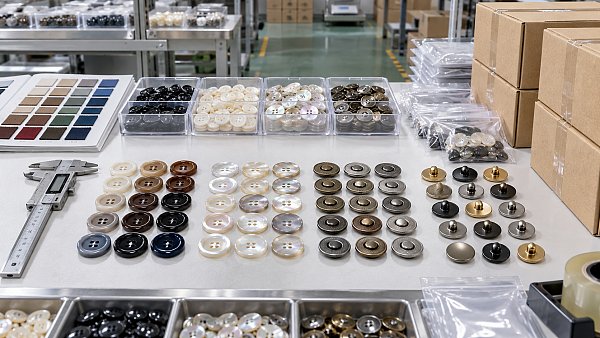
 Garment MfgWhat drives unit costs when buying garment buttons wholesale?Garment buttons wholesale costs depend on material, tooling, finish, MOQ, quality, packing, and freight. Learn how to compare true landed costs and source reliably.Textile Industry AnalystOct 06, 2026
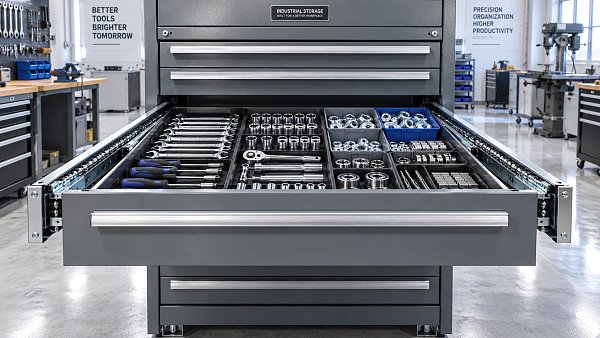
 Building HardwareWhat load rating should you specify for wholesale ball bearing slides?Wholesale ball bearing slides: learn how to specify the right load rating for drawer weight, extension, mounting, and durability. Source smarter and reduce failures.Tooling & Hardware LeadOct 05, 2026
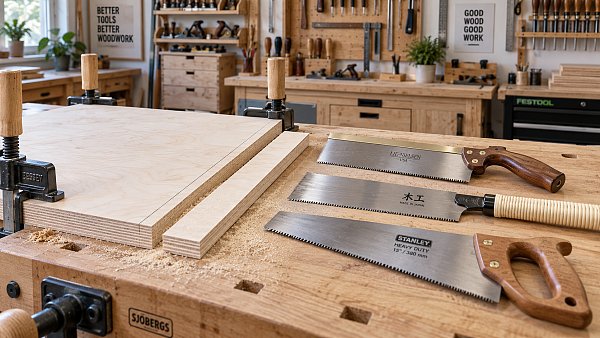
 Hand & Power ToolsHow to choose a hand saw for woodworking without tear-outHand saw for woodworking guide: choose the right tooth pattern, blade, and technique to achieve clean, precise cuts with less tear-out. Explore practical buying tips.Tooling & Hardware LeadOct 04, 2026
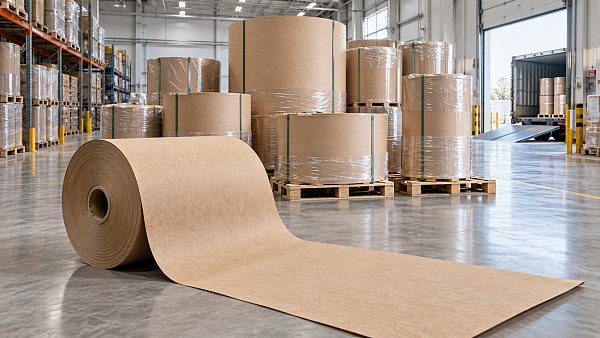
 Eco PackagingWhat affects the price of kraft paper rolls bought wholesale?Kraft paper rolls wholesale pricing depends on grade, basis weight, roll size, order volume, freight, and certifications. Learn how to compare landed costs and choose reliable value.Packaging Supply ExpertOct 03, 2026