Industry News
Curation by industry experts
Hot Articles
Popular Tags
Jilin Chemical Fiber Launches 15K Tons Bio-Based Artificial Silk, Gains EU-BAT Certification
Introduction
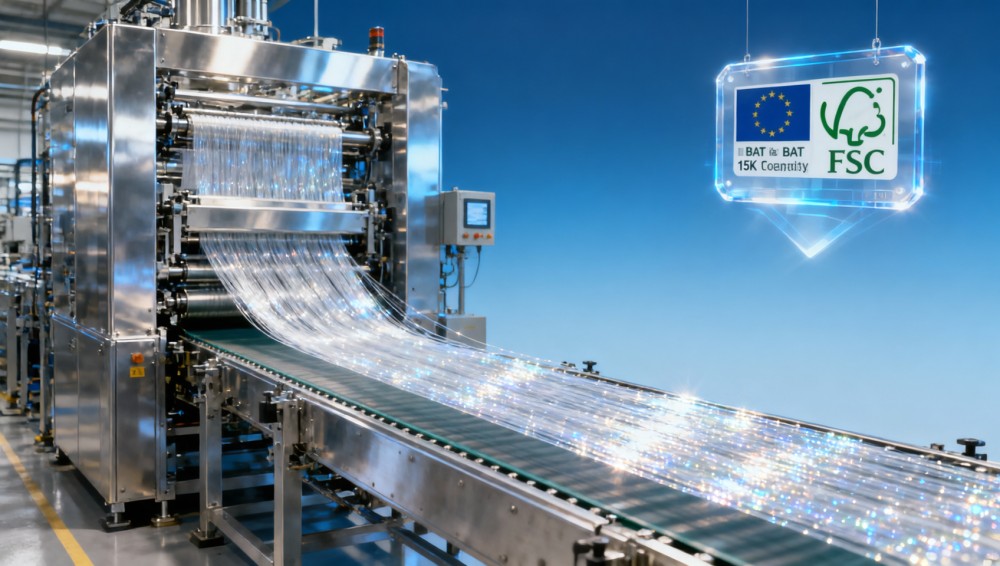
On March 29, 2026, Jilin Chemical Fiber officially put into operation a 15,000-ton bio-based fine-denier artificial silk production line, which has obtained dual certifications from EU-BAT (European Union Best Available Techniques) and FSC. The product has entered the sustainable supply chains of international brands such as LVMH and Stella McCartney. This development is particularly noteworthy for the textile, fashion, and sustainable materials industries, as it signals China's growing capability to meet stringent European environmental standards in high-end artificial silk production.
Event Overview
On March 29, 2026, Jilin Chemical Fiber announced the successful launch of its 15,000-ton bio-based fine-denier artificial silk production line. The project has been fully certified by EU-BAT and FSC, ensuring compliance with Europe's highest environmental and sustainability standards. The company has already secured supply agreements with luxury brands like LVMH and Stella McCartney, positioning itself as a reliable supplier of eco-friendly viscose-based fabrics.
Impact on Sub-Industries
1. Luxury Fashion Brands
The certification and production capabilities of Jilin Chemical Fiber provide luxury brands with a verified sustainable sourcing option. Brands aiming to meet EU environmental standards can now consider Chinese suppliers for high-quality, compliant artificial silk.
2. Textile Manufacturers
Textile manufacturers, especially those catering to European markets, may face increased competition. The availability of EU-BAT-certified bio-based artificial silk from China could shift sourcing strategies and pricing dynamics.
3. Sustainable Supply Chain Services
Supply chain service providers specializing in sustainable materials will need to reassess their offerings. The entry of a Chinese supplier with EU-BAT certification could disrupt existing supply chains and create new opportunities for collaboration.
Key Focus Areas and Recommendations
1. Monitor Certification and Compliance Updates
Companies should stay informed about any updates to EU-BAT or FSC standards to ensure ongoing compliance. Regular audits and supplier evaluations will be essential.
2. Evaluate Sourcing Strategies
Brands and manufacturers should reassess their sourcing strategies to incorporate certified bio-based artificial silk. This may involve renegotiating contracts or exploring new supplier partnerships.
3. Strengthen Supply Chain Transparency
Transparency in the supply chain will be critical. Companies should document and verify the sustainability credentials of their materials to meet consumer and regulatory demands.
Editor's Perspective / Industry Observation
From an industry perspective, this development is more than just a production milestone; it signals China's growing influence in the sustainable textiles market. The EU-BAT certification underscores the potential for Chinese suppliers to meet global environmental standards, which could reshape supply chains in the luxury and high-end fashion sectors. However, it remains to be seen how quickly other manufacturers will follow suit and whether this will lead to broader industry shifts.
Conclusion
The launch of Jilin Chemical Fiber's bio-based artificial silk production line marks a significant step forward for sustainable textiles. With EU-BAT and FSC certifications, the company has demonstrated its ability to meet stringent environmental standards, offering new opportunities for luxury brands and manufacturers. For now, the industry should view this as a signal of evolving supply chain dynamics and prepare accordingly.
Source Information
Primary Source: Jilin Chemical Fiber official announcement (March 29, 2026). Ongoing monitoring of EU-BAT and FSC certification updates is recommended.
Recommended News
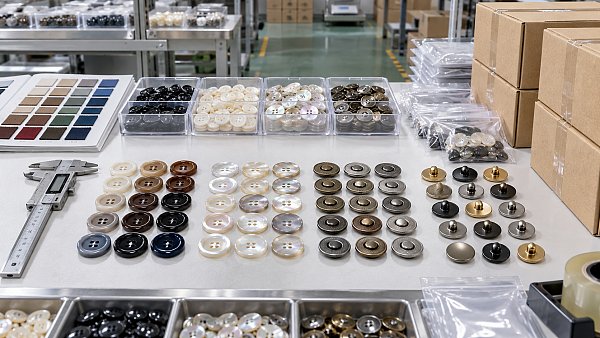
 Garment MfgWhat drives unit costs when buying garment buttons wholesale?Garment buttons wholesale costs depend on material, tooling, finish, MOQ, quality, packing, and freight. Learn how to compare true landed costs and source reliably.Textile Industry AnalystOct 06, 2026
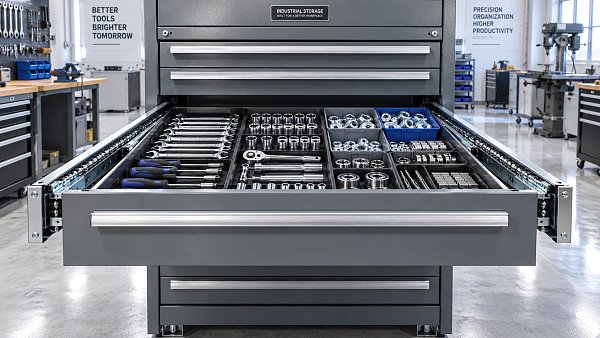
 Building HardwareWhat load rating should you specify for wholesale ball bearing slides?Wholesale ball bearing slides: learn how to specify the right load rating for drawer weight, extension, mounting, and durability. Source smarter and reduce failures.Tooling & Hardware LeadOct 05, 2026
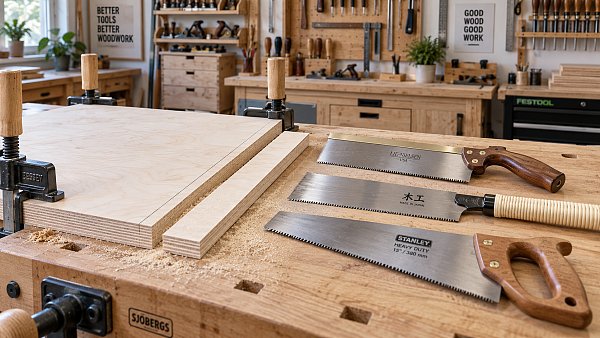
 Hand & Power ToolsHow to choose a hand saw for woodworking without tear-outHand saw for woodworking guide: choose the right tooth pattern, blade, and technique to achieve clean, precise cuts with less tear-out. Explore practical buying tips.Tooling & Hardware LeadOct 04, 2026
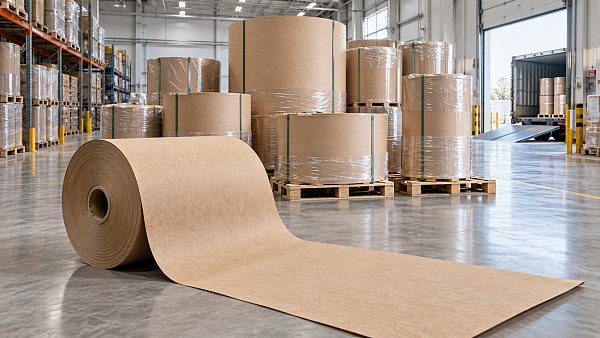
 Eco PackagingWhat affects the price of kraft paper rolls bought wholesale?Kraft paper rolls wholesale pricing depends on grade, basis weight, roll size, order volume, freight, and certifications. Learn how to compare landed costs and choose reliable value.Packaging Supply ExpertOct 03, 2026