Industry News
Curation by industry experts
Hot Articles
Popular Tags
Vietnam Opens Bridal Fabric Dumping Probe
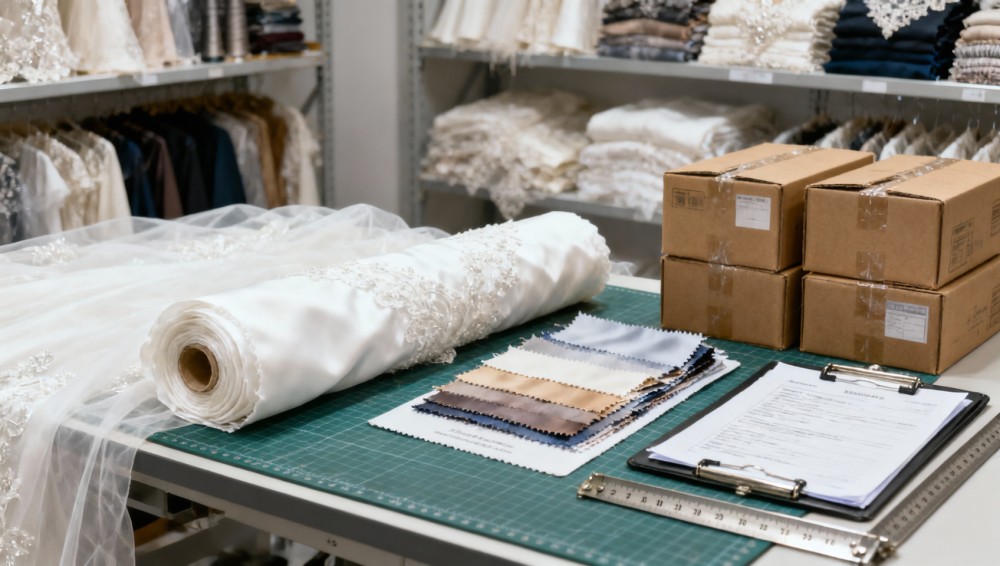
On June 8, 2026, Vietnam’s Ministry of Industry and Trade announced an anti-dumping investigation into polyester thin woven fabric for wedding dresses imported from China under HS 5407.52. If a preliminary finding supports the case, temporary anti-dumping duties of 18.3% to 34.7% could be imposed. For exporters, buyers, garment-related manufacturers, and cross-border supply chain operators, this is a development worth close attention because it affects a product category that reached US$210 million in China-to-Vietnam exports in 2025 and now faces both a procedural deadline and potential cost pressure.
What Has Been Officially Announced
According to the information provided, the investigation was announced by Vietnam’s Ministry of Industry and Trade on June 8, 2026 and concerns polyester thin woven fabric used for wedding dresses from China, classified under HS 5407.52.
The case includes a proposed temporary anti-dumping duty range of 18.3% to 34.7% if the preliminary determination is affirmative.
A hearing on the preliminary determination is scheduled for June 20 in Hanoi. Companies involved in the case are required to submit their response materials by June 15.
The product category concerned recorded US$210 million in Chinese exports to Vietnam in 2025.
Where the Pressure May Be Felt First
Export-facing fabric suppliers
From an industry perspective, suppliers shipping this fabric category from China to Vietnam may be the first to feel the impact because the investigation directly targets their product classification and pricing exposure. What deserves closer attention is the immediate effect on quotations, contract discussions, and shipment planning tied to the June procedural timetable.
Vietnam-based buyers and sourcing teams
For importers and procurement teams in Vietnam, the main concern is not only the possible duty range but also how quickly that possibility can alter landed-cost expectations. Analysis shows that sourcing decisions, order timing, and supplier communication may become more cautious while the case is still at the preliminary stage.
Wedding apparel and related manufacturers
Manufacturers using this type of thin woven polyester fabric for bridal products may need to watch the issue from a cost and delivery perspective. Observably, even before any duty is confirmed, uncertainty itself can affect material planning, especially where procurement cycles depend on imported fabric specifications under the investigated HS code.
Supply chain and trade service providers
Logistics, customs, and trade compliance service providers may also need to monitor the case closely. Their exposure lies less in direct pricing and more in document accuracy, classification consistency, and customer guidance during a period when official wording, filing requirements, and hearing outcomes can materially affect shipment decisions.
What Companies Should Watch Now
Deadlines are now a business issue, not just a legal detail
The June 15 submission deadline and the June 20 hearing date are immediate operational markers. Companies involved should pay attention to whether their response materials, transaction records, and product descriptions are aligned with the scope described in the case.
Product scope and HS classification need close review
Analysis shows that businesses should focus carefully on whether their goods fall within the stated product description and HS 5407.52 classification. In cases like this, the commercial impact often depends not only on the headline duty range but also on how the covered product scope is interpreted in practice.
Commercial communication may need adjustment
Exporters, importers, and downstream users may need to prepare for more detailed communication with customers and suppliers on pricing assumptions, delivery schedules, and possible contingency scenarios. What deserves closer attention is the distinction between a proposed temporary measure and a final result, since the current development does not yet represent a completed trade remedy outcome.
Documentation and execution risk should be checked early
Businesses tied to this trade flow may also want to review contract terms, supporting documents, and shipment timing. Observably, when an investigation enters a sensitive timetable, delays or inconsistencies in paperwork can become more consequential for execution and customer coordination.
Why This Matters Beyond the Headline
Analysis shows that this is not just a pricing story. It is also a signal about how trade remedy procedures can quickly become a commercial issue in niche textile categories with meaningful export value. The announced duty range is large enough to draw immediate attention, but the case is still in a procedural phase rather than at a final conclusion.
It is more appropriate to understand this as a live industry development that combines short-term operational pressure with a broader policy signal. The short-term element lies in filing deadlines, hearing preparation, and order management. The longer-term element, if any, will depend on how the investigation progresses after the preliminary stage.
How the Market May Read the Current Stage
For now, the most balanced reading is that the sector is facing a material but not yet settled development. The facts already matter because they affect timing, risk assessment, and communication across exporters, importers, and manufacturers. At the same time, the case should not be treated as a final market outcome before the process moves beyond the preliminary stage.
From an industry perspective, this is best viewed as a development that requires close monitoring rather than a completed shift in trade conditions. The combination of a defined product scope, a stated temporary duty range, and near-term hearing and filing dates makes it highly relevant for current business decisions.
Basis of This Article
This article is based on the user-provided news title, event date, and event summary concerning Vietnam’s anti-dumping investigation into imported bridal fabric. The specific official source link was not provided in the input, so continued verification remains necessary.
For developments of this type, source validation would usually involve official notices, company disclosures, industry association information, authoritative media reporting, and related trade or customs documentation. The key follow-up areas to monitor are any updated official wording, changes in procedural requirements, and the outcome of the June 20 preliminary hearing process.
Recommended News
 Export UpdatesChina’s Textile and Apparel Exports Rise 5.1% to $232.97 Billion in January–September 2026China’s textile and apparel exports rose 5.1% to $232.97 billion in January–September 2026. Explore September’s surge and key considerations for bridal suppliers.Oct 22, 2026
 Home DecorCan wholesale woven storage basket suppliers mix styles in one order?Can a wholesale woven storage baskets supplier mix styles in one order? Explore MOQ rules, packing options, and cost considerations to build a smarter assortment before you buy.Interior Sourcing LeadOct 22, 2026
 Policy & RegulationsEU Apparel Exports Face PFHxA Limits and New PPWR Packaging RulesEU apparel exports face PFHxA limits and PPWR packaging rules. Explore key compliance checks to protect bridalwear shipments, manage unsold stock and reduce delivery risks.Oct 21, 2026
 Outdoor FurnitureIs a rattan wicker patio sofa suitable for an uncovered patio?Is a rattan wicker patio sofa right for your uncovered patio? Discover which materials, frames, and cushions withstand outdoor exposure—and what to check before you buy.Interior Sourcing LeadOct 21, 2026