Industry News
Curation by industry experts
Hot Articles
Popular Tags
SGS Opens 7-Day Packaging Certification for EU Bridal Exports
On June 7, 2026, SGS China announced a fast-track certification route for environmentally focused packaging used in wedding photography exports to the EU. The move centers on compostable paperboard for bridal gift boxes, FSC-certified greyboard, and water-based laminated album covers, and it matters most to packaging suppliers, exporters, procurement teams, and compliance functions that must align material claims with EU EPR registration needs. For the market, the key point is not only the shorter testing timeline, but also the growing operational link between packaging material verification and export documentation readiness.

What the new fast-track route covers
According to the information provided, SGS China launched a dedicated “green packaging fast certification channel” for the wedding photography segment on June 7, 2026. The service is aimed at materials exported to the EU, including compostable paperboard, FSC-certified greyboard, and water-based laminated album cover materials.
The announced service package offers completion within seven working days for EN 13432 and ISO 17088 full biodegradation testing, toxicity testing, and an EPR material declaration document package. SGS China also stated that the fee is 22% lower than the standard process and that the first batch of 39 suppliers has already submitted applications.
Where the impact may be felt first
Packaging material suppliers face tighter document readiness requirements
From an industry perspective, suppliers of paperboard, greyboard, and related album-cover materials may be affected first because the announcement ties testing and EPR-facing documentation into a shorter delivery window. The operational impact is likely to appear in sample preparation, technical file readiness, and customer response speed when EU-bound orders require compliance support.
Export-oriented wedding packaging businesses may see compliance move earlier in the sales cycle
For companies selling bridal gift boxes, photo album packaging, or adjacent wedding photography packaging products into the EU, the practical effect may be that certification is treated less as a late-stage paperwork task and more as part of quotation, sourcing, and shipment planning. What deserves closer attention is whether buyers begin expecting proof packages earlier in negotiations.
Procurement and sourcing teams may need to compare materials beyond price
For procurement functions, the development may shift attention toward whether a material can be supported by biodegradation testing, toxicity results, and EPR-related declarations within a commercially workable timeframe. In this context, the issue is not only material cost, but also whether the supplier can support order conversion and delivery without documentation gaps.
Compliance and supply chain service providers may need faster coordination
Service teams involved in export compliance, documentation handling, or supplier onboarding may also be affected because the announcement combines multiple compliance-related outputs into one turnaround promise. That may raise expectations for closer coordination between testing, declarations, and shipment preparation, especially where customer deadlines are tight.
What companies should watch now
Check whether target materials fall within the announced scope
Companies should first verify whether their EU-bound products actually use the material categories named in the announcement, especially compostable paperboard for gift boxes, FSC-certified greyboard, and water-based laminated album covers. This matters because the operational value of the fast-track route depends on whether the product specification matches the stated service scope.
Separate test completion from market acceptance
Analysis shows that a seven-working-day service window is a process feature, not automatic proof of downstream customer acceptance in every transaction. Businesses should distinguish between obtaining test results and declarations on one side, and meeting buyer-specific documentation, labeling, or registration expectations on the other.
Prepare internal files before customer deadlines compress
Where suppliers expect EU orders, current priorities may include organizing material specifications, prior certification records, and customer-facing compliance documents so that testing and declarations can move without delay. The closer the delivery schedule, the more important file completeness becomes in procurement and export communication.
Monitor how EPR-related requests appear in client communication
What deserves closer attention is whether EU customers begin asking for material statements earlier, more often, or in more standardized formats. Even with a faster certification path available, companies still need clear internal ownership for who responds to compliance questions and how quickly supporting documents can be issued.
Why this looks like an operational signal, not a final market outcome
Observably, this development is better read as a signal about execution pressure in export packaging rather than as proof of a completed market shift. The confirmed facts show that SGS China has created a quicker and lower-cost route for a defined set of materials and that initial supplier interest already exists. However, the broader industry effect still depends on how widely EU-facing buyers, suppliers, and service teams incorporate such certification timing into routine sourcing and shipment decisions.
It is more appropriate to understand this as an early but concrete adjustment in compliance workflow. The announcement points to stronger integration between material testing and EPR-related documentation, but it does not by itself confirm how fast adoption will spread across all packaging categories or customer groups.
How the industry may frame this update
In practical terms, the news highlights a narrower but important issue: packaging compliance for EU-bound wedding photography products is becoming more time-sensitive at the material level. For suppliers and exporters, the immediate significance lies in turnaround time, documentation packaging, and procurement coordination rather than in any guaranteed commercial outcome. At this stage, the update is best understood as a near-term operational development with possible longer-term relevance if customer requirements continue to tighten around verified material claims.
Basis of this article and what still needs verification
This article is based on the user-provided news title, event date, and event summary. The specific official source link was not provided in the input, so the details should continue to be verified against source materials commonly relevant to this type of update, such as official company announcements, corporate notices, industry association information, authoritative media reporting, and standard-related documentation.
Further observation should focus on whether the announced fast-track route leads to broader use across EU export packaging workflows, whether customer documentation requests become more standardized, and whether subsequent official statements provide additional clarification on application scope or implementation details.
Recommended News
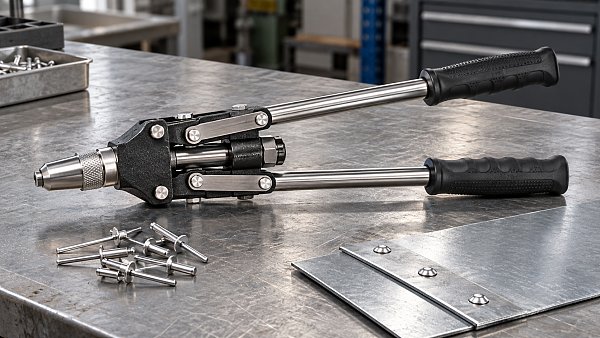
 Hand & Power ToolsDo you need a long handle rivet gun for stainless steel rivets?Need a long handle rivet gun for stainless steel rivets? Discover when extra leverage helps, which tool ratings matter, and how to choose the right riveter for your job.Tooling & Hardware LeadOct 26, 2026
 Textile MachineryItalian Textile Machinery Orders Rise 7% in Q3 2026 as Overseas Demand LeadsItalian textile machinery orders rose 7% in Q3 2026 as overseas demand climbed 8% and domestic orders fell 4%. Explore ACIMIT's figures and what they mean for manufacturers.Textile Industry AnalystOct 25, 2026
 Supply Chain InsightsHow order size affects wholesale heavy-duty swivel caster pricesSourcing swivel heavy duty casters wholesale? Discover how order size, volume discounts, freight, and inventory costs shape pricing so you can negotiate a better deal.Oct 25, 2026
 Commercial LEDSignify Q3 2026 Earnings: €28 Million Tariff Refund Lifts ProfitExplore Signify Q3 2026 earnings: a reported €28 million tariff refund lifts profit as comparable sales fall 3.4%. Discover the implications for lighting costs and demand.Commercial Tech EditorOct 24, 2026