Industry News
Curation by industry experts
Hot Articles
Popular Tags
Vietnam Opens Bridal Fabric Dumping Probe
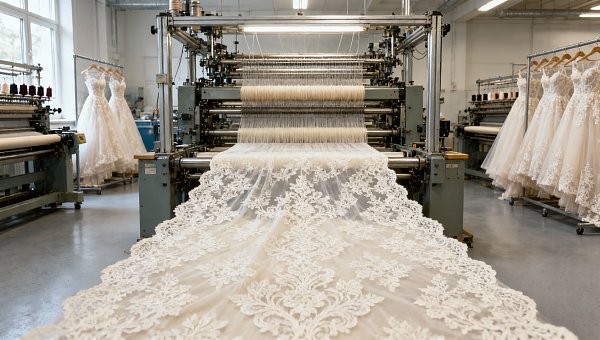
On June 20, 2026, market attention is focused on Vietnam’s preliminary hearing in an anti-dumping case involving imported bridal fabric made from Chinese polyester fibers. The issue matters beyond a single trade measure because the products under review are core inputs for wedding dress and formal gown production, making this a development that fabric exporters, ODM/OEM manufacturers, Southeast Asian garment factories, and sourcing teams need to watch closely.

What Has Been Confirmed So Far
According to the information provided, Vietnam’s Ministry of Industry and Trade formally announced on June 9, 2026 that it had launched an anti-dumping investigation covering bridal-use fabrics made from Chinese polyester fibers. The preliminary hearing is scheduled for June 20, 2026. The products involved include high-count, lightweight decorative fabrics in warp-knitted and woven categories, which are key raw materials used in wedding dresses and related formalwear.
The current confirmed point is the existence of the investigation and the hearing schedule. The provided information also indicates that, if a final ruling supports the case, the effect could extend to parts of the global bridalwear supply chain that rely on Chinese fabric exports, including ODM/OEM suppliers and local garment factories in Southeast Asia.
Why the Supply Chain Is Paying Attention
Pressure may begin with fabric trade flows
From an industry perspective, companies directly exporting or importing the covered bridal fabrics may be the first to feel the impact because the case specifically targets a narrowly defined material category rather than a broad apparel segment. What deserves closer attention is whether transaction planning, shipment timing, and product classification review become more sensitive as the case moves forward.
Wedding dress manufacturers face raw material uncertainty
Manufacturers making bridal gowns and formal dresses may be affected because the investigation involves core decorative materials rather than peripheral trims. Analysis shows that any later trade restriction, if confirmed in a final decision, would mainly affect raw material sourcing, cost visibility, and delivery coordination for factories dependent on these fabric inputs.
Southeast Asian production bases may need closer review
Observably, local garment factories in Southeast Asia are relevant to this development because the provided information explicitly notes their potential exposure if the final ruling is established. The practical concern is not only fabric availability, but also how procurement schedules and customer commitments are managed when a key upstream material enters a trade remedy process.
Buyers and sourcing teams may need earlier coordination
For brands, buyers, and sourcing intermediaries involved in bridalwear programs, the main issue is supply continuity rather than a confirmed outcome at this stage. What deserves closer attention is whether current vendor arrangements depend heavily on the covered Chinese polyester bridal fabrics and whether communication on lead times and substitution options needs to start earlier.
What Businesses Should Watch Now
Track official wording after the June 20 hearing
The first practical priority is to follow how the case is described in official communications after the preliminary hearing. Analysis shows that the wording around product scope, process timing, and procedural requirements can matter as much as the headline itself for companies assessing exposure.
Recheck whether products fall within the covered scope
Because the investigation refers to warp-knitted and woven high-count lightweight decorative fabrics used in bridalwear, companies should pay close attention to whether their traded or sourced materials are actually within that scope. This is a product-definition issue, not just a market issue.
Separate policy signal from immediate business outcome
It is more appropriate to understand the current development as an active trade proceeding rather than a completed result. Businesses should avoid treating the investigation itself as a final duty decision, while still preparing internal assessments on sourcing exposure, delivery commitments, and customer communication.
Prepare documentation and supply-chain contingency checks
From an operational perspective, relevant companies may need to review supplier records, product specifications, shipping documents, and contract timelines tied to bridal fabric programs connected to Vietnam. Observably, this is most important for firms serving ODM/OEM orders or regional manufacturing networks that depend on stable fabric input schedules.
How This Development Should Be Read at This Stage
Analysis shows that this news is best understood as an industry signal with immediate relevance, but not yet as a settled trade outcome. The investigation has already identified a specific material segment at the heart of bridalwear manufacturing, which is why the case matters to the wider supply chain. At the same time, the need for continued observation remains high because the provided information confirms the process and hearing date, not a final ruling.
From an industry perspective, the main takeaway is that trade remedy actions aimed at narrowly defined textile inputs can still create broader concern when those inputs are central to specialized garment categories. That is why the June 20 hearing is a key point of attention for companies tied to bridalwear production and sourcing.
A Short-Term Procedure, or a Longer-Term Signal?
At this point, it is more appropriate to understand the case as a live and developing trade policy event that could carry wider implications if it advances further. The immediate significance lies in the fact that a core bridal fabric category has entered formal review in Vietnam. The broader significance, which still requires verification through later official developments, is whether this proceeds into a final measure that reshapes sourcing decisions for bridalwear supply chains linked to Chinese fabric exports.
A neutral reading is therefore warranted: the development is already important enough to monitor closely, but it should not be overstated before further official clarification and case progress emerge.
About the Basis of This Article
This article is based on the user-provided news title, event date, and event summary. The confirmed elements used here include the June 9, 2026 announcement by Vietnam’s Ministry of Industry and Trade, the June 20, 2026 preliminary hearing schedule, the product coverage involving warp-knitted and woven high-count lightweight decorative bridal fabrics made from Chinese polyester fibers, and the stated potential relevance to ODM/OEM suppliers and Southeast Asian garment factories if a final ruling is established.
For this type of industry update, commonly relevant source categories may include official government notices, company disclosures, industry association releases, authoritative media reporting, and standards-related documents. A specific official source link was not provided in the input, so further verification remains necessary. Continued attention should focus on subsequent official statements, any clarification of product scope, and whether later case stages change the practical outlook for bridalwear-related sourcing and manufacturing.
Recommended News
 Home DecorCIFF Guangzhou Sets March 2027 Dates, Focusing on Quality, Innovation and Industry ValueCIFF Guangzhou 2027 runs March 18–21 and 28–31, spotlighting furniture quality and innovation. Explore key sourcing insights to plan visits, compare suppliers and prepare smarter purchasing decisions.Interior Sourcing LeadOct 27, 2026
 Supply Chain InsightsHow to verify a metal furniture factory's production capacityVerify a metal furniture factory's production capacity with proven output records, bottleneck checks, and realistic schedules. Learn how to reduce sourcing risks and protect delivery deadlines.Oct 27, 2026
 Hand & Power ToolsDo you need a long handle rivet gun for stainless steel rivets?Need a long handle rivet gun for stainless steel rivets? Discover when extra leverage helps, which tool ratings matter, and how to choose the right riveter for your job.Tooling & Hardware LeadOct 26, 2026
 Textile MachineryItalian Textile Machinery Orders Rise 7% in Q3 2026 as Overseas Demand LeadsItalian textile machinery orders rose 7% in Q3 2026 as overseas demand climbed 8% and domestic orders fell 4%. Explore ACIMIT's figures and what they mean for manufacturers.Textile Industry AnalystOct 25, 2026