Industry News
Curation by industry experts
Hot Articles
Popular Tags
Offset Printing Machines Cost in 2026: Price Drivers, Hidden Expenses, and ROI
Offset Printing Machines Cost in 2026: What Buyers Need to Budget For
Understanding offset printing machines cost in 2026 requires more than comparing list prices.
The headline number rarely reflects the full investment.
In real purchasing decisions, machine configuration changes everything.
Automation, installation, workflow software, and operator readiness all affect final cost.
That also means the cheapest press is not always the lowest-cost choice.
For packaging, publishing, and commercial print, timing matters in 2026.
Energy prices, labor pressure, and shorter run expectations are changing buyer priorities.
This guide breaks down offset printing machines cost, hidden expenses, and realistic ROI drivers.
Typical Offset Printing Machines Cost in 2026
Offset printing machines cost varies widely by size, speed, sheet format, and automation level.
A small single-color or two-color used press may start around $20,000 to $80,000.
Mid-range four-color sheetfed models often land between $150,000 and $600,000.
High-spec new presses with coating, perfecting, and advanced controls can exceed $1 million.
Large-format or highly automated packaging lines can move far beyond that range.
From a sourcing perspective, buyers should treat base price as only one layer.
Recent market movement shows buyers paying more attention to total throughput than sticker price.
That shift is especially visible in packaging and export-oriented print operations.
What Drives Offset Printing Machines Cost
Several factors shape offset printing machines cost in ways buyers often underestimate.
1. Print format and color units
Larger sheet sizes raise capital cost, floor requirements, and utility demand.
More color units improve flexibility, but also increase makeready complexity and maintenance load.
2. Automation level
Automatic plate changing, presetting, closed-loop color control, and remote diagnostics raise purchase cost.
Still, these features can sharply reduce labor, waste, and downtime.
3. New versus used condition
Used equipment lowers upfront offset printing machines cost, but risk rises with machine age.
Spare parts, control system obsolescence, and service support can quickly narrow the savings gap.
4. Brand reputation and service network
Established manufacturers usually command higher prices for good reason.
They often offer stronger parts availability, software updates, and field engineering response.
5. Integration with prepress and finishing
A press does not work alone.
If the workflow must connect with CTP, MIS, ERP, or finishing lines, integration costs rise.
In practice, this is where many capital budgets start to stretch.
Hidden Expenses Buyers Often Miss
The more obvious quote rarely captures the full offset printing machines cost.
A better purchasing decision comes from mapping the complete operating environment.
- Freight and import charges, including duties, inland transport, and insurance.
- Installation and commissioning by certified technicians.
- Foundation work, ventilation, humidity control, and electrical upgrades.
- Operator training, especially for automated or software-driven presses.
- Consumables, including blankets, rollers, plates, chemicals, and wash-up materials.
- Service contracts, emergency repairs, and planned maintenance kits.
- Production losses during ramp-up and calibration periods.
One clear pattern in 2026 is that energy efficiency now matters more than before.
Power consumption affects lifetime cost, especially in regions with unstable energy pricing.
This also means comparing offset printing machines cost without utility modeling can mislead decision-makers.
How to Evaluate ROI Beyond Purchase Price
A strong ROI model should connect the press to actual business outcomes.
That means looking at revenue capacity, waste control, labor efficiency, and customer retention.
Measure these ROI variables
- Makeready time reduction per shift.
- Paper waste reduction per job.
- Labor hours saved through automation.
- Higher usable uptime across peak months.
- Ability to win higher-margin packaging or color-critical contracts.
- Reduction in reprints caused by color inconsistency.
For example, a more expensive press may cut setup time by 30%.
If your operation runs many short jobs, that gain can be commercially significant.
On the other hand, long-run commodity jobs may favor a simpler machine.
The right offset printing machines cost depends on job mix, not theory.
New or Used: Which Cost Structure Makes More Sense
This is one of the most practical sourcing questions in the market.
Used presses reduce entry cost, but they often shift spending into risk management.
In actual operations, used equipment works best when maintenance capability is already strong.
A new machine is usually safer when consistency, auditability, and fast turnaround drive profit.
A Practical Buying Checklist for 2026
The simplest way to control offset printing machines cost is disciplined comparison.
Before signing, make sure every supplier answers the same commercial questions.
- What is included in the base quote, and what is optional?
- How many jobs per day can the machine realistically support?
- What are the average makeready waste levels?
- Which spare parts should be stocked locally?
- What training is included for operators and maintenance staff?
- How fast is local technical response if the press stops?
- Can the system connect cleanly with current workflow software?
It is also smart to request a total cost of ownership model over five years.
That gives a more reliable view than a simple equipment comparison sheet.
Final Take on Offset Printing Machines Cost
In 2026, offset printing machines cost is really a strategy question.
Price matters, but productivity, service access, and operational fit matter just as much.
The strongest buyers compare total ownership cost, not just supplier quotations.
They test assumptions on labor, waste, uptime, and revenue opportunity.
That is usually where better ROI becomes visible.
If you are reviewing suppliers now, build your shortlist around business fit first.
Then validate offset printing machines cost against the output, reliability, and growth your operation actually needs.
Recommended News
 Home DecorCIFF Guangzhou Sets March 2027 Dates, Focusing on Quality, Innovation and Industry ValueCIFF Guangzhou 2027 runs March 18–21 and 28–31, spotlighting furniture quality and innovation. Explore key sourcing insights to plan visits, compare suppliers and prepare smarter purchasing decisions.Interior Sourcing LeadOct 27, 2026
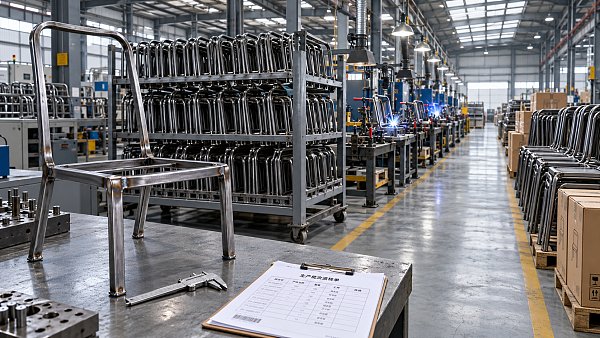
 Supply Chain InsightsHow to verify a metal furniture factory's production capacityVerify a metal furniture factory's production capacity with proven output records, bottleneck checks, and realistic schedules. Learn how to reduce sourcing risks and protect delivery deadlines.Oct 27, 2026
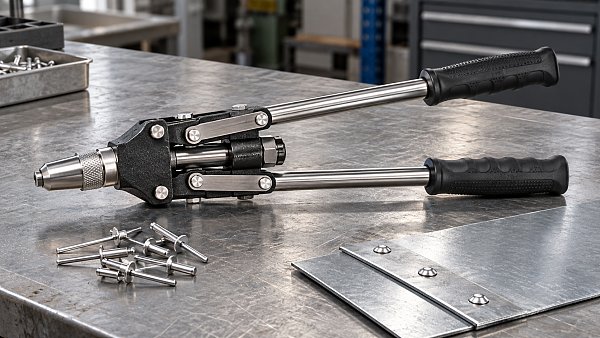
 Hand & Power ToolsDo you need a long handle rivet gun for stainless steel rivets?Need a long handle rivet gun for stainless steel rivets? Discover when extra leverage helps, which tool ratings matter, and how to choose the right riveter for your job.Tooling & Hardware LeadOct 26, 2026
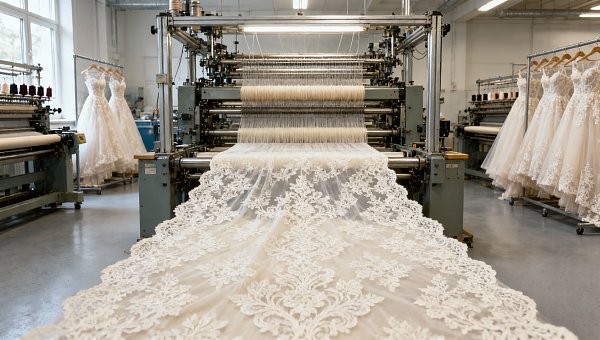
 Textile MachineryItalian Textile Machinery Orders Rise 7% in Q3 2026 as Overseas Demand LeadsItalian textile machinery orders rose 7% in Q3 2026 as overseas demand climbed 8% and domestic orders fell 4%. Explore ACIMIT's figures and what they mean for manufacturers.Textile Industry AnalystOct 25, 2026