Industry News
Curation by industry experts
Hot Articles
Popular Tags
Wholesale Mannequins: What to Compare Before Placing a Bulk Order
Why does comparing wholesale mannequins require more than a unit price check?
A bulk mannequin order affects display quality, store image, freight cost, and replacement frequency at the same time.
That is why wholesale mannequins should be compared as a full sourcing package, not as a simple item list.
In practice, the cheapest quote often becomes expensive after damage claims, uneven finishes, unstable bases, or delayed replenishment.
Retail display programs usually need consistency across locations, especially in fashion, department, lifestyle, and showroom environments.
If body shape, gloss level, or mounting hardware varies between batches, visual merchandising loses control very quickly.
A useful way to assess wholesale mannequins is to connect product quality with logistics, compliance, and long-term display performance.
That sourcing mindset fits the broader approach seen across Global Supply Review, where decisions are judged by resilience, traceability, and operational value.
What should be checked first when reviewing wholesale mannequin options?
Start with the display objective, because the right mannequin depends on where and how it will be used.
A front-window hero piece has different requirements than a high-turn store fixture or a temporary pop-up installation.
Before comparing suppliers, it helps to lock down a short technical brief.
- Material type such as fiberglass, plastic, ABS, or eco-focused composite
- Gender, pose, size range, and fit accuracy for target garments
- Surface finish, including matte, gloss, skin tone, abstract, or fabric-covered style
- Base type, rod position, and stability requirements
- Knock-down structure, packaging format, and shipping method
This first screening removes many weak options early.
It also prevents a common mistake: comparing wholesale mannequins that look similar in photos but differ in structure and cost drivers.
Needless add-ons can inflate cost, while missing specifications can create fitting issues after delivery.
A practical comparison table before sample approval
The table below helps organize the main checks in one place.
How do materials and finishes change the real cost of wholesale mannequins?
Material selection shapes durability, handling cost, and visual appeal more than many buyers expect.
Fiberglass wholesale mannequins often deliver a premium look and stable structure, but they can be heavier and more fragile under poor packaging.
Plastic models may lower freight and simplify large rollouts, especially where displays change often.
The decision should match the store environment, not just the budget line.
Finish quality deserves equal attention.
A matte white mannequin can hide fingerprints better than gloss, while dark coatings may show scratches faster during assembly.
Fabric-covered forms may suit selective visual concepts, but cleaning and humidity exposure need review.
A more reliable costing method is to ask four questions at once.
- How many touches will each unit experience from factory to store floor?
- How visible will minor surface defects be under retail lighting?
- How often will garments be changed on the form?
- What is the acceptable replacement rate after six to twelve months?
When those answers are clear, the material comparison for wholesale mannequins becomes far more objective.
Where do bulk mannequin orders usually go wrong?
Most failures are not dramatic. They are small specification gaps repeated across hundreds of units.
One common issue is sample approval without defining batch tolerance.
The sample looks excellent, but production pieces arrive with slight color drift, rough seam lines, or inconsistent base polish.
Another risk appears in packaging.
Wholesale mannequins with detachable arms, hands, and bases need clear part identification and impact protection.
Without that, receiving teams spend extra time sorting hardware or reporting missing components.
Lead time assumptions also create problems.
A quoted production window may exclude mold adjustment, custom paint approval, or export packaging revision.
That is why it helps to request milestone dates, not only a shipment promise.
- Sample completion date
- Approval freeze date for specifications
- Mass production start date
- Inspection date before packing
- Container loading date
This level of detail supports the kind of supply chain visibility that sourcing platforms like GSR consistently emphasize.
Is customization worth it for wholesale mannequins, or does it add avoidable complexity?
Customization is valuable when it supports a repeatable display strategy, not when it is driven by one-time visual preference.
Custom head styles, poses, finishes, or branded bases can strengthen presentation if the program spans multiple stores or regions.
However, every custom detail affects mold cost, approval time, and reorder flexibility.
A balanced approach is often better.
Use standard body structures where possible, then customize visible elements that shape brand recognition.
For example, a standard torso with a custom finish may be easier to replenish than a fully unique sculpt.
When evaluating customized wholesale mannequins, ask for confirmation on these points.
- Whether tooling fees apply only once or again after design revision
- Whether color standards are matched by sample chip or approved photo only
- Whether spare parts remain available for future orders
- Whether MOQ changes after moving from sample to bulk production
These details help separate meaningful customization from expensive complexity.
How can supplier reliability be tested before placing a large wholesale mannequin order?
Supplier reliability is easier to judge through evidence than through catalogs.
A strong supplier of wholesale mannequins should provide more than product images and broad claims.
Look for production references, inspection practices, packaging details, and realistic communication on lead times.
In actual sourcing reviews, the most useful signals are often simple.
- Response quality when specifications are incomplete or conflicting
- Willingness to share tolerance standards and material details
- Ability to document carton drop protection and loading method
- Consistency between sample quality and production commitments
- Readiness to discuss corrective action if defects exceed the agreed rate
If possible, compare landed cost scenarios rather than ex-works pricing alone.
Lower-priced wholesale mannequins may require stronger secondary packaging, additional inspections, or higher breakage reserves.
Those hidden costs matter more in container-scale orders than in small sample runs.
Another useful step is to ask for a pilot shipment before the full rollout.
That small test often reveals packaging discipline, finish consistency, and assembly clarity better than any presentation deck.
What is the smartest next step before confirming a bulk order?
The best next step is to turn comparison points into an approval checklist that everyone uses consistently.
That checklist should cover product, packaging, timing, and acceptable quality variation.
For wholesale mannequins, clarity before production is usually more valuable than negotiation after shipment.
A sound review process should confirm material grade, finish standard, component count, carton design, inspection timing, and reorder terms.
It should also identify which features are essential and which are still optional.
That discipline reduces confusion during sourcing and helps keep wholesale mannequins aligned with long-term display strategy.
Where market visibility matters, using trusted industry intelligence can sharpen the decision.
This is where editorially reviewed sourcing insight, like the type associated with GSR, becomes useful in separating attractive offers from dependable supply options.
Before placing the order, finalize a shortlist, review a physical sample, test the packaging plan, and compare full landed risk rather than headline price alone.
That approach gives wholesale mannequins a better chance of performing well long after the first shipment arrives.
Recommended News
 Home DecorCIFF Guangzhou Sets March 2027 Dates, Focusing on Quality, Innovation and Industry ValueCIFF Guangzhou 2027 runs March 18–21 and 28–31, spotlighting furniture quality and innovation. Explore key sourcing insights to plan visits, compare suppliers and prepare smarter purchasing decisions.Interior Sourcing LeadOct 27, 2026
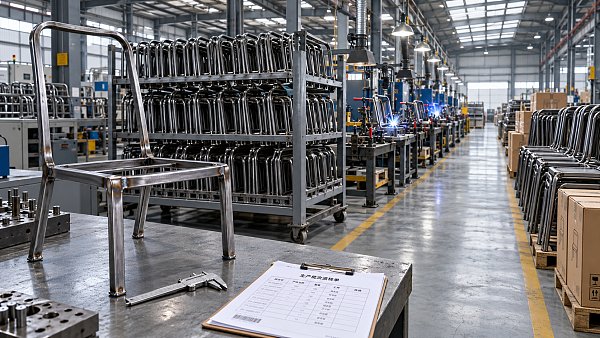
 Supply Chain InsightsHow to verify a metal furniture factory's production capacityVerify a metal furniture factory's production capacity with proven output records, bottleneck checks, and realistic schedules. Learn how to reduce sourcing risks and protect delivery deadlines.Oct 27, 2026
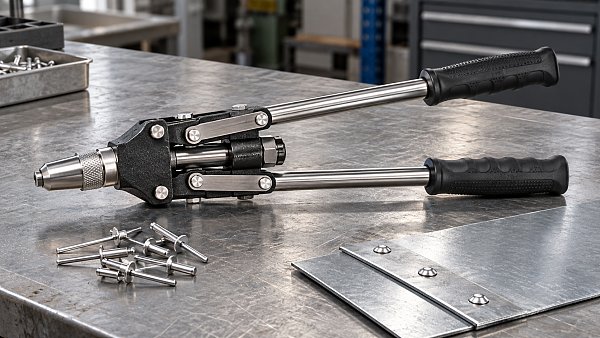
 Hand & Power ToolsDo you need a long handle rivet gun for stainless steel rivets?Need a long handle rivet gun for stainless steel rivets? Discover when extra leverage helps, which tool ratings matter, and how to choose the right riveter for your job.Tooling & Hardware LeadOct 26, 2026
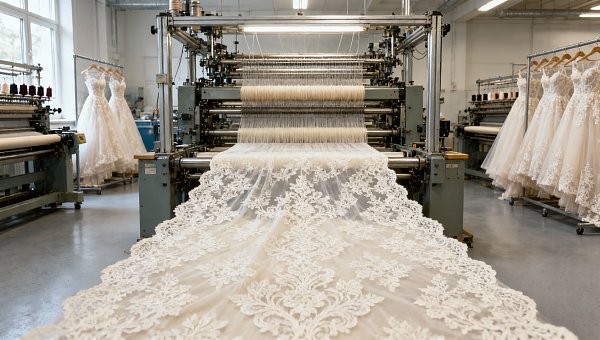
 Textile MachineryItalian Textile Machinery Orders Rise 7% in Q3 2026 as Overseas Demand LeadsItalian textile machinery orders rose 7% in Q3 2026 as overseas demand climbed 8% and domestic orders fell 4%. Explore ACIMIT's figures and what they mean for manufacturers.Textile Industry AnalystOct 25, 2026