Industry News
Curation by industry experts
Hot Articles
Popular Tags
Vietnam Schedules June 20 Hearing on Bridal Fabric AD Case
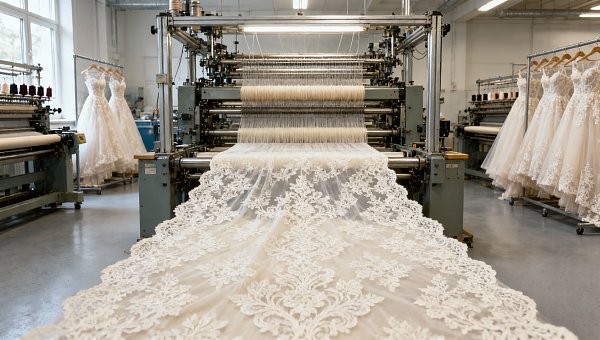
Vietnam’s trade authority has moved a trade remedy case involving imported bridal fabric into a closely watched stage, with a preliminary ruling hearing set for June 20, 2026. The case concerns polyester-blended jacquard fabric for wedding dresses from China under HS code 5801.36, and it deserves attention from exporters, fabric traders, sourcing teams, and supply chain operators because a final decision, if confirmed, could materially change pricing, contract execution, and market access in this niche textile segment.

What has been officially announced so far
According to the information provided, Vietnam’s Ministry of Industry and Trade issued a notice on June 5, 2026 to launch an anti-dumping investigation into Chinese polyester-blended jacquard fabric used for wedding dresses. The products involved fall under HS code 5801.36, referring to jacquard woven fabrics with a width above 30 cm. A hearing tied to the preliminary ruling is scheduled for June 20, 2026. The case is expected to mainly affect export-oriented companies in Zhejiang and Jiangsu. If a final ruling supports the case, the anti-dumping duty is expected to range from 17.2% to 34.8%.
Why different parts of the supply chain are watching this case
Pressure on exporters serving the Vietnam market
From an industry perspective, direct exporters are the first group likely to feel the impact because the investigation is product-specific and tied to a defined HS code. The main business risks would center on quotation strategy, order continuity, and margin planning if customers begin pricing in the possibility of additional duties before a final outcome is reached.
Procurement teams may reassess cost visibility
For buyers and sourcing teams handling bridal fabric programs, the issue is not only the possible duty range but also how quickly policy risk may feed into landed cost calculations. What deserves closer attention is whether current and upcoming purchases involve the affected product scope and how procurement schedules align with the timing of the hearing and later decisions.
Manufacturing and delivery coordination could become more sensitive
Processing manufacturers and supply chain service providers may also need to watch the case because fabric classification, documentation, and delivery timing can become more sensitive in trade remedy situations. The operational impact may show up in order confirmation, customs preparation, shipment planning, and communication across suppliers and customers.
Practical points companies should track now
Follow official wording around product scope
Companies linked to this trade flow should closely monitor how the product is described in official notices, especially the reference to polyester-blended jacquard bridal fabric under HS code 5801.36. In practice, product scope determines whether a shipment is exposed to the case, so this is more important than reacting only to headline wording.
Review exposure in key orders and markets
Firms with exports from Zhejiang, Jiangsu, or related sourcing channels should check which open orders, pending negotiations, or planned shipments may involve the affected category. Analysis shows that the most immediate concern is not a confirmed final burden yet, but whether current business already sits inside the investigated range.
Prepare trade and customs documentation carefully
For exporters, traders, and logistics partners, documentation discipline matters. Product specifications, contract terms, shipment records, and classification-related materials may become more important as the case develops. This is especially relevant for businesses that need to explain product use, composition, and transaction terms to customers or service providers.
Keep customer communication fact-based
Observably, this stage calls for careful communication rather than broad assumptions. Companies may need to distinguish clearly between the launch of the investigation, the June 20 hearing, and any eventual final outcome, so that pricing talks and delivery commitments are not based on conclusions that have not yet been confirmed.
How this development is best understood at this stage
Analysis shows that this is not yet a final trade outcome, but it is more than a routine market signal. The scheduled hearing indicates that the case has entered a stage that could influence commercial expectations in a targeted textile category. It is more appropriate to understand this as an active policy and market development that requires continued observation, rather than as a settled cost change across the broader fabric trade.
What the market should take from this update
For the industry, the immediate meaning of this development lies in risk visibility. The case highlights how a narrowly defined fabric category can become a focal point for trade remedy action, with potential implications for exporters, sourcing teams, and fulfillment planning. At the current stage, a neutral reading is most appropriate: the matter is significant enough to affect business preparation, but the final commercial impact still depends on how the case proceeds after the hearing.
About the basis of this article
This article is based on the user-provided news title, event date, and summary information related to Vietnam’s anti-dumping investigation and the June 20, 2026 hearing schedule. For this type of industry update, commonly relevant source categories include official government notices, company disclosures, industry association updates, authoritative media reports, and standard or customs-related documents. A specific official source link was not provided in the input, so the exact source document still requires ongoing verification. The key point to watch next is any official wording following the June 20 hearing, especially any clarification on scope, procedure, or the path toward a final ruling.
Recommended News
 Home DecorCIFF Guangzhou Sets March 2027 Dates, Focusing on Quality, Innovation and Industry ValueCIFF Guangzhou 2027 runs March 18–21 and 28–31, spotlighting furniture quality and innovation. Explore key sourcing insights to plan visits, compare suppliers and prepare smarter purchasing decisions.Interior Sourcing LeadOct 27, 2026
 Supply Chain InsightsHow to verify a metal furniture factory's production capacityVerify a metal furniture factory's production capacity with proven output records, bottleneck checks, and realistic schedules. Learn how to reduce sourcing risks and protect delivery deadlines.Oct 27, 2026
 Hand & Power ToolsDo you need a long handle rivet gun for stainless steel rivets?Need a long handle rivet gun for stainless steel rivets? Discover when extra leverage helps, which tool ratings matter, and how to choose the right riveter for your job.Tooling & Hardware LeadOct 26, 2026
 Textile MachineryItalian Textile Machinery Orders Rise 7% in Q3 2026 as Overseas Demand LeadsItalian textile machinery orders rose 7% in Q3 2026 as overseas demand climbed 8% and domestic orders fell 4%. Explore ACIMIT's figures and what they mean for manufacturers.Textile Industry AnalystOct 25, 2026