Industry News
Curation by industry experts
Hot Articles
Popular Tags
Shanghai Bridal Fair Closes with RMB 213M Textile Machinery Deals
At the 42nd Shanghai International Bridal Fair, held from June 7 to 10, 2026, the Textile Machinery section recorded RMB 213 million in equipment procurement and technology cooperation signings, up 32% year on year. From an industry perspective, this matters not only as a transaction result but as a practical signal for machinery suppliers, overseas buyers, processors, and supply-chain service providers to pay closer attention to procurement specifications, technical documentation, delivery compliance, and cross-border execution requirements around higher-value equipment deals.

What the fair confirmed in the machinery segment
During the June 7–10 event, the Textile Machinery section drew 37 overseas buyers from Germany, Italy, Vietnam, and Bangladesh for concentrated business negotiations. On site, signed equipment procurement and technology cooperation deals reached RMB 213 million, representing a 32% increase from the previous period referenced in the event summary. The main categories involved were intelligent cutting systems, digital direct-to-garment printing machines, environmentally oriented setting units, and AI-driven sewing units.
Why transaction growth points to stricter execution needs
For machinery exporters and direct suppliers
Analysis shows that when procurement shifts toward intelligent, digital, and environmentally oriented equipment, the commercial discussion usually extends beyond price and capacity. These suppliers are likely to face closer scrutiny on technical specifications, document completeness, installation scope, after-sales terms, and whether the delivered configuration matches the agreed purchasing documents. What deserves closer attention is not a confirmed rule change in itself, but a stronger execution environment in which buyers may place more weight on verifiable compliance and technical alignment.
For overseas buyers and procurement teams
For buyers involved in cross-border equipment sourcing, the impact is likely to appear in bid comparison, contract drafting, acceptance standards, and delivery scheduling. Where equipment includes digital printing, environmental processing, or AI-assisted sewing functions, procurement teams may need to review product descriptions, technical files, testing materials, and service commitments more carefully to reduce disputes at shipment, installation, or commissioning stages. This is especially relevant when procurement also includes technology cooperation rather than a simple one-time equipment purchase.
For processors and manufacturing users
Processing and manufacturing companies that intend to adopt these machine categories may be affected through production planning, operator readiness, maintenance arrangements, and quality traceability. Observably, equipment purchases of this type can influence not only production efficiency but also how factories prepare operating records, performance verification materials, and internal acceptance procedures. The practical issue is less about a new published rule in the input and more about the likelihood that downstream buyers expect tighter process control once advanced machinery is introduced.
For logistics, service, and support providers
Supply-chain service firms, installers, and after-sales providers may also see higher requirements in packing lists, parts tracking, delivery coordination, commissioning records, and service-response commitments. Where machinery transactions are paired with technical cooperation, the handover process may require clearer document flows and responsibility boundaries. Analysis suggests that these participants should prepare for more detailed coordination rather than assume that a signed order alone completes the compliance and delivery process.
Operational points now worth watching
Check whether technical files are contract-ready
Companies involved in the signed categories should review whether product specifications, configuration sheets, manuals, testing records, and acceptance terms can support procurement and delivery without ambiguity. The event summary confirms active demand, but it does not provide execution details, so documentation readiness remains a point to monitor rather than a settled outcome.
Track how environmental and intelligent features are described
For environmentally oriented setting units, digital printing systems, and AI-driven sewing units, firms should pay attention to how product capabilities are described in quotations, procurement documents, and technical cooperation materials. What deserves closer attention is whether commercial language and technical language remain consistent across negotiation, contracting, and delivery stages.
Prepare for longer review around service and acceptance
Because the deals include both equipment procurement and technology cooperation, enterprises should watch for closer review of installation scope, training content, warranty commitments, and post-delivery acceptance conditions. This is not evidence of a newly issued formal rule in the input, but it is a realistic compliance and execution issue that often becomes more visible as deal value rises.
Watch for follow-up changes in buyer requirements
Observably, concentrated negotiations involving buyers from multiple countries can lead to evolving requirements in tender wording, qualification checks, document formats, or service expectations. Companies should therefore follow later buyer communications and contract documents carefully, rather than treat fair-floor signings as the final compliance benchmark.
How this signal should be read at this stage
Analysis shows that this development is better understood as an execution signal than as proof of a formally announced new regulation. The stronger signing volume in textile machinery indicates that advanced equipment categories are attracting active cross-border interest, but the input does not confirm any specific new law, standard number, certification rule, or regulator directive. From an industry perspective, the more useful reading is that procurement discipline, technical-document accuracy, and delivery-stage compliance are becoming more central to how such deals will be converted into actual installations and long-term cooperation.
A measured reading of the fair outcome
The fair result points to rising commercial attention around intelligent cutting, digital printing, environmentally oriented setting equipment, and AI-driven sewing units. It is more appropriate to understand this as a market-based indicator that procurement, technical alignment, and delivery control may matter more in upcoming transactions, rather than as a confirmed sector-wide rule change already settled in detail. For companies across supply, sourcing, processing, and service, the prudent takeaway is to monitor how these signed intentions translate into document requirements, acceptance conditions, and operational follow-through.
Basis of this article and what still needs verification
This article is generated from the user-provided news title, event date, and event summary. For developments of this kind, relevant source categories typically include official event announcements, regulator releases, customs or trade authority updates, industry association information, standard-setting documents, and reporting by established trade media. No specific official source link was provided in the input, so any later policy detail, certification interpretation, procurement wording, tender-document change, industry feedback, and enterprise execution outcome still requires ongoing verification.
Recommended News
 Home DecorCIFF Guangzhou Sets March 2027 Dates, Focusing on Quality, Innovation and Industry ValueCIFF Guangzhou 2027 runs March 18–21 and 28–31, spotlighting furniture quality and innovation. Explore key sourcing insights to plan visits, compare suppliers and prepare smarter purchasing decisions.Interior Sourcing LeadOct 27, 2026
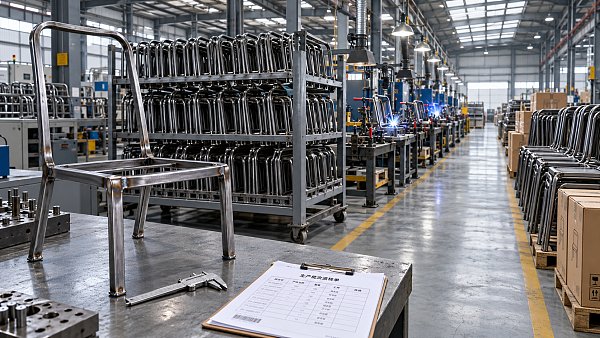
 Supply Chain InsightsHow to verify a metal furniture factory's production capacityVerify a metal furniture factory's production capacity with proven output records, bottleneck checks, and realistic schedules. Learn how to reduce sourcing risks and protect delivery deadlines.Oct 27, 2026
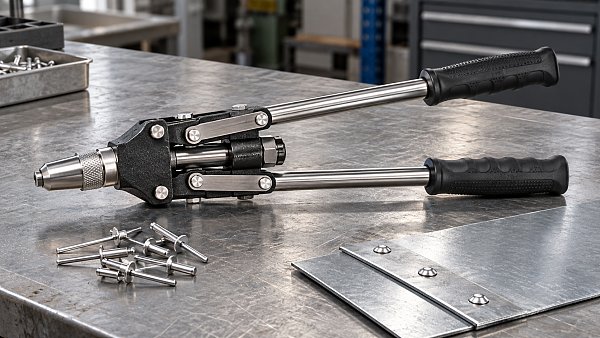
 Hand & Power ToolsDo you need a long handle rivet gun for stainless steel rivets?Need a long handle rivet gun for stainless steel rivets? Discover when extra leverage helps, which tool ratings matter, and how to choose the right riveter for your job.Tooling & Hardware LeadOct 26, 2026
 Textile MachineryItalian Textile Machinery Orders Rise 7% in Q3 2026 as Overseas Demand LeadsItalian textile machinery orders rose 7% in Q3 2026 as overseas demand climbed 8% and domestic orders fell 4%. Explore ACIMIT's figures and what they mean for manufacturers.Textile Industry AnalystOct 25, 2026