Industry News
Curation by industry experts
Hot Articles
Popular Tags
Xinjiang Chuanmian Launches Recycled Polyester Staple Fiber Line, Enabling Green Apparel Supply Chain
On April 3, 2026, Xinjiang Chuanmian Textile and Apparel Co., Ltd. officially commenced operations of its recycled polyester staple fiber production line, establishing a localized closed-loop system from PET bottle recycling to garment manufacturing. With an annual capacity of 50,000 tons and GOTS/Oeko-Tex Standard 100 certifications, this development strengthens Western China’s recycled fiber supply chain while offering near-shoring solutions for EU/US fast-fashion brands compliant with TCFD disclosures. Textile manufacturers, sustainability-driven brands, and circular economy stakeholders should monitor its ripple effects.
Event Overview
Xinjiang Chuanmian’s new production line integrates PET bottle collection, flake processing, fiber spinning, and apparel manufacturing within Xinjiang. The facility’s output holds dual eco-certifications, positioning it as a regional hub for traceable recycled materials.

Impact on Key Sectors
Fast-Fashion Brands & Retailers
European and American brands facing TCFD reporting pressures gain a verified near-shore supplier. The line’s geographic proximity (vs. Southeast Asian alternatives) reduces Scope 3 emissions for Western China-sourced products.
Recycled Fiber Traders
Traditional traders may face margin compression as direct factory-to-brand pipelines emerge. However, GOTS-certified supply shortages in Central Asia could create arbitrage opportunities.
PET Recyclers
Demand for standardized bottle collection networks in Northwest China will intensify, potentially reshaping waste management partnerships with local governments.
Actionable Insights for Stakeholders
Audit Supply Chain Transparency
Brands should verify if Xinjiang-sourced recycled fibers align with evolving EU due diligence laws (e.g., CSDDD) beyond TCFD.
Reevaluate Near-Shoring Strategies
Compare Xinjiang’s logistics costs and lead times against Vietnamese/Indonesian recycled fiber hubs for 2027 sourcing plans.
Monitor Certification Scalability
Track whether GOTS certification can be maintained at full 50,000-ton capacity – a historical pain point for recycled fiber projects.
Industry Perspective
This development signals China’s strategic shift toward high-value recycled textiles beyond low-end fillers. However, analysts note that export-dependent models face risks from potential ESG scrutiny of Xinjiang’s labor practices. The line’s success hinges on reconciling scale with stringent traceability demands.
Conclusion
While boosting regional circular economy infrastructure, Xinjiang Chuanmian’s project underscores the textile industry’s complex balancing act between sustainability ambitions and geopolitical realities. Stakeholders should treat this as a test case for scalable closed-loop systems rather than an immediate market disruptor.
Sources
• Xinjiang Chuanmian official press release (April 3, 2026)
• GOTS certification database (accessed April 2026)
• Pending verification: Actual production ramp-up timeline vs. announced capacity
Recommended News
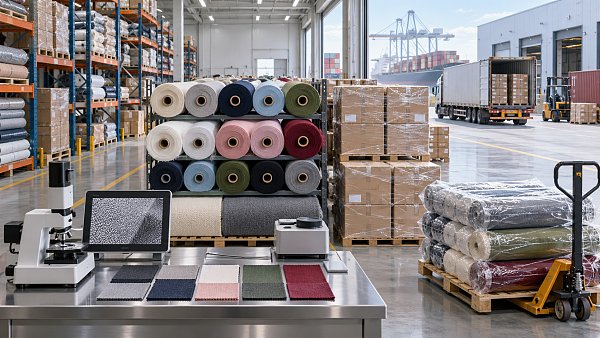
 Fabrics & YarnsWhat drives textile procurement cost beyond the quoted fabric price?Textile procurement cost goes far beyond the quoted fabric price. Discover how freight, quality, MOQ, compliance, payment terms, and supplier reliability shape total sourcing cost.Textile Industry AnalystOct 07, 2026
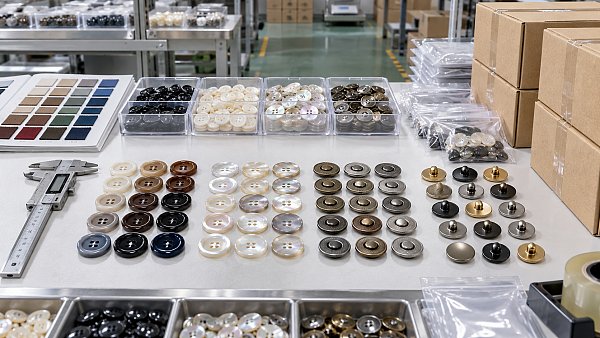
 Garment MfgWhat drives unit costs when buying garment buttons wholesale?Garment buttons wholesale costs depend on material, tooling, finish, MOQ, quality, packing, and freight. Learn how to compare true landed costs and source reliably.Textile Industry AnalystOct 06, 2026
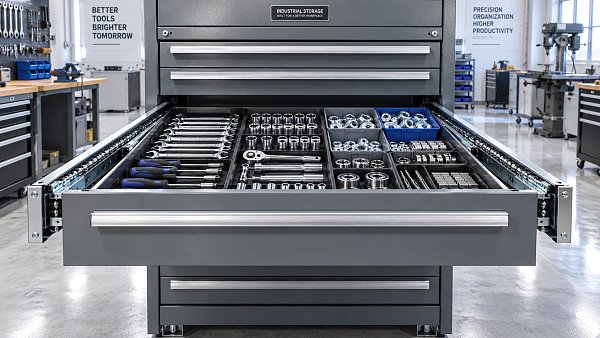
 Building HardwareWhat load rating should you specify for wholesale ball bearing slides?Wholesale ball bearing slides: learn how to specify the right load rating for drawer weight, extension, mounting, and durability. Source smarter and reduce failures.Tooling & Hardware LeadOct 05, 2026
 Hand & Power ToolsHow to choose a hand saw for woodworking without tear-outHand saw for woodworking guide: choose the right tooth pattern, blade, and technique to achieve clean, precise cuts with less tear-out. Explore practical buying tips.Tooling & Hardware LeadOct 04, 2026