Industry News
Curation by industry experts
Hot Articles
Popular Tags
Shanghai Bridal Fair Signals New Compliance Focus
The closing of the 42nd Shanghai International Bridal Fair on 2026-06-09 drew attention beyond order volume: the strong signing performance in the textile machinery section points to a more practical compliance and trade-execution phase for bridalwear production upgrades. For equipment exporters, overseas buyers, manufacturing plants, and supply-chain service providers, the event is worth watching because demand is concentrating in automation, digital printing, and lower-carbon finishing equipment, areas that typically bring closer scrutiny to technical documentation, delivery terms, after-sales obligations, and market-specific regulatory requirements.

What the fair confirmed
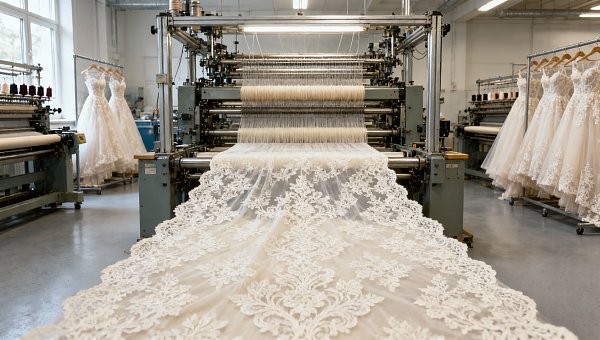
At the 42nd Shanghai International Bridal Fair, which closed on 2026-06-09, the Textile Machinery section attracted purchasing delegations from 12 countries, including Vietnam, Bangladesh, Turkey, and Mexico. On-site signed deals reached RMB 213 million, up 37% year on year. The main categories behind those signings were fully automatic bridal embroidery machines, digital direct-to-garment printing equipment, and low-carbon setting units. The event summary indicates that overseas manufacturers are showing urgent demand for Chinese intelligent equipment to upgrade production lines.
Why contract growth can quickly become a rules-and-delivery issue
For equipment exporters and contract suppliers
From an industry perspective, stronger overseas buying interest can shift attention from sales conversion to whether technical specifications, commercial terms, and export documentation are aligned early enough in the transaction. The likely pressure points are product specifications, acceptance criteria, shipping documents, and any destination-market compliance materials that buyers may require before shipment, installation, or final payment.
For overseas manufacturers upgrading production lines
Analysis shows that buyers pursuing embroidery automation, digital printing, and lower-carbon setting equipment may face a more complex procurement path than a standard machinery purchase. The impact is likely to fall on technical bid alignment, plant integration planning, installation readiness, and evidence that equipment performance, operating parameters, and supporting documents match local regulatory or customer requirements.
For supply-chain and delivery service providers
What deserves closer attention is the execution risk that often follows cross-border machinery orders. Freight coordination, installation scheduling, spare-parts planning, and post-delivery service commitments may become more important once orders move from exhibition-floor signing to implementation. In practical terms, service providers may need to prepare for tighter coordination around handover documents, commissioning records, and traceability materials.
Where companies should focus next
Review compliance files before shipment milestones
Observably, companies involved in these signed categories should pay close attention to whether technical files, testing records, operating manuals, and product descriptions are complete and consistent with contract language. The event itself does not confirm any new formal rule, but it does signal that documentation quality may become more visible as cross-border orders progress.
Track how buyer requirements appear in tender and purchase documents
It is more appropriate to understand this as an execution signal rather than a fully defined regulatory shift. Companies should therefore watch for changes in tender wording, procurement checklists, acceptance standards, and qualification requirements that may emerge after the fair, especially for automated embroidery, digital printing, and lower-carbon finishing equipment.
Plan delivery and after-sales capacity alongside order intake
Analysis shows that rising order value can increase pressure on lead times, installation support, and post-sale response capacity. Export-oriented suppliers and service teams should closely monitor whether buyer expectations on commissioning, maintenance, training, and quality traceability begin to harden into purchase conditions or delivery prerequisites.
Watch market-specific certification and import-facing requirements
Because the purchasing groups came from multiple countries, enterprises should remain alert to differences in import documents, conformity materials, and local compliance expectations. The provided event information does not specify which certifications or approvals apply in each market, so this remains an area for case-by-case verification rather than assumption.
How this should be read at this stage
Editorial observation: this development is best read as a strong market signal that overseas buyers are actively prioritizing production-line upgrades in bridalwear-related manufacturing, with particular interest in automated, digital, and lower-carbon equipment. It does not by itself confirm a new regulation or a finalized compliance regime. However, it suggests that trade execution, technical qualification, and proof-of-conformity issues may become more prominent as orders move toward delivery and installation. Continued attention is warranted because the real test will appear in follow-up procurement terms, market-entry documentation, and actual project implementation feedback.
A measured takeaway for the industry
The fair's textile machinery results matter less as a headline sales number and more as an indicator of where purchasing discipline may tighten next. For the industry, the practical message is that equipment demand is increasingly tied to documentation readiness, delivery credibility, and the ability to meet buyer-specific compliance expectations. At this point, it is more appropriate to understand the event as an execution-level signal with possible regulatory and trade implications, rather than as proof that a new uniform rule has already taken effect.
Basis of this article and what still needs verification
This article is based on the user-provided news title, event date, and event summary. For developments of this kind, commonly relevant source types may include official event announcements, regulator releases, customs or trade authority information, industry association updates, standard-setting documents, and reporting by established trade media. A specific official source link was not provided in the input, so further verification remains necessary. What still needs continued observation includes any later policy detail, certification interpretation, tender-document changes, industry feedback, and company-level execution outcomes connected to these orders.
Recommended News
 Home DecorCIFF Guangzhou Sets March 2027 Dates, Focusing on Quality, Innovation and Industry ValueCIFF Guangzhou 2027 runs March 18–21 and 28–31, spotlighting furniture quality and innovation. Explore key sourcing insights to plan visits, compare suppliers and prepare smarter purchasing decisions.Interior Sourcing LeadOct 27, 2026
 Supply Chain InsightsHow to verify a metal furniture factory's production capacityVerify a metal furniture factory's production capacity with proven output records, bottleneck checks, and realistic schedules. Learn how to reduce sourcing risks and protect delivery deadlines.Oct 27, 2026
 Hand & Power ToolsDo you need a long handle rivet gun for stainless steel rivets?Need a long handle rivet gun for stainless steel rivets? Discover when extra leverage helps, which tool ratings matter, and how to choose the right riveter for your job.Tooling & Hardware LeadOct 26, 2026
 Textile MachineryItalian Textile Machinery Orders Rise 7% in Q3 2026 as Overseas Demand LeadsItalian textile machinery orders rose 7% in Q3 2026 as overseas demand climbed 8% and domestic orders fell 4%. Explore ACIMIT's figures and what they mean for manufacturers.Textile Industry AnalystOct 25, 2026