Industry News
Curation by industry experts
Hot Articles
Popular Tags
Wholesale Glass Standoffs: Finish, Load, and Corrosion Points to Compare
Choosing wholesale glass standoffs is not just about appearance—it directly affects load safety, corrosion resistance, and long-term maintenance costs. For procurement teams comparing suppliers, finishes, materials, and performance ratings can reveal major differences in durability and value. This guide outlines the key points to evaluate so buyers can make more confident, cost-effective sourcing decisions.
In commercial interiors, retail displays, office signage, balustrade panels, and architectural fit-outs, glass standoffs often look like a minor line item. In practice, they influence structural reliability, installation speed, replacement frequency, and warranty exposure. For buyers sourcing at volume, the right comparison framework should go beyond unit price and include finish quality, metal grade, load capacity, machining tolerance, and environmental suitability.
For procurement professionals working across global supply chains, especially in hardware, displays, furniture, and décor categories, evaluating wholesale glass standoffs through a performance lens helps reduce hidden costs. A cheaper standoff can become expensive if it pits within 12 months, causes glass stress from poor fit, or requires frequent field replacement. The sections below focus on the comparison points that matter most during supplier selection.
Why Finish, Load, and Corrosion Resistance Matter in Bulk Procurement
When buyers review wholesale glass standoffs, three technical areas usually determine long-term value: finish, load, and corrosion behavior. These factors affect both visible quality and installed performance. In most B2B projects, the cost of installation labor can be 2 to 5 times the hardware cost, so replacing failed fittings is rarely a minor issue.
Finish quality influences perceived premium value, scratch resistance during transport, and stain visibility after installation. Load rating determines whether the hardware can safely support the glass thickness, panel size, and mounting orientation. Corrosion resistance becomes critical in coastal, humid, high-traffic, or chemically cleaned environments, where inferior materials can degrade faster than expected.
The Cost Impact of a Poor Comparison Process
A sourcing decision based only on quoted price often overlooks 4 hidden cost layers: installation delay, field replacement, finish inconsistency across lots, and customer complaints. Even a 1% to 3% defect rate can be disruptive in signage chains, hospitality projects, or rollout programs that require hundreds or thousands of identical mounting points.
- Rework time caused by thread mismatch or inaccurate dimensions
- Glass stress risk if gasket compression is uneven
- Corrosion marks that damage premium interior aesthetics
- Higher inventory cost when multiple incompatible standoff sizes are mixed
Typical B2B Use Cases and Their Performance Priorities
Not every application requires the same specification. Signage panels in dry indoor offices may prioritize finish consistency and easy installation, while exterior wayfinding systems may need stronger corrosion resistance and higher pull-out reliability. Procurement teams should match the specification to the real duty cycle instead of overbuying or under-specifying.
The table below summarizes common use environments and the comparison points most relevant to each one.
The key takeaway is simple: the best wholesale glass standoffs are not defined by a single “premium” option. They are defined by application fit. A dry indoor project may perform well with one specification, while coastal installations may require a higher-grade stainless solution to avoid premature failure.
How to Compare Finish Options Without Overpaying
Finish is often the first detail buyers see in supplier catalogs, but it should be assessed with both appearance and durability in mind. In the wholesale glass standoffs market, common finish options include brushed satin, mirror polished, matte black, anodized aluminum tones, and powder-coated surfaces. Each brings different risks in transport, cleaning, and long-term appearance retention.
Common Finish Types in the Market
Brushed satin finishes are popular in offices, retail, and hospitality because they hide fingerprints better than mirror polished surfaces. Mirror polish offers a more decorative look but tends to show scratches faster during installation. Powder-coated black or custom colors are widely used in modern interiors, though coating thickness and edge coverage should be checked carefully.
What Buyers Should Ask Suppliers
- Is the finish applied before or after final machining?
- Are color and texture consistent across production lots of 500 to 2,000 pieces?
- What protective packaging is used to reduce scratch damage in transit?
- Are sample approval and master sample retention available before bulk production?
For high-visibility projects, lot-to-lot finish consistency can be just as important as corrosion resistance. A visible mismatch between two batches delivered 6 weeks apart may trigger partial replacement, especially in chain-store rollouts or branded environments where uniformity is audited closely.
The table below helps procurement teams compare finish choices based on commercial risk rather than appearance alone.
For many buyers, brushed stainless offers the safest balance of cost, visual acceptance, and maintenance. However, if the project requires a specific brand aesthetic, a custom finish may still be justified provided the supplier can control consistency through approved samples, batch records, and protected packaging.
Load Ratings: What Procurement Teams Must Verify Before Ordering
Load capacity is one of the most misunderstood factors when buying wholesale glass standoffs. Many catalogs show dimensions such as 12 mm, 16 mm, or 25 mm diameter, but diameter alone does not define safe working load. Performance depends on material strength, wall thickness, fixing method, substrate condition, glass thickness, stand-off distance, and installation orientation.
The 5 Load Variables That Affect Real-World Performance
- Glass thickness, often ranging from 6 mm to 15 mm in common display and signage projects
- Panel dimensions and total panel weight
- Number of standoffs sharing the load, such as 4, 6, or 8 points
- Wall or substrate condition, including concrete, steel, timber, or composite panel backing
- Static versus dynamic exposure, especially in high-traffic or vibration-prone areas
A supplier may provide a nominal load figure, but buyers should ask whether it reflects tensile load, shear load, or recommended working load with a safety factor. If that distinction is missing, comparisons can be misleading. In practice, procurement teams should request technical drawings and installation guidelines for each size under consideration.
Questions to Clarify Before PO Approval
Technical checkpoints
- What glass thickness range does the standoff support, for example 8–10 mm or 10–12 mm?
- What gasket material is included, and is compression uniform?
- Is the rated load based on vertical signage, horizontal guarding, or decorative panel use?
- What anchor or screw specification is assumed in the rating?
- What dimensional tolerance is held on thread and cap fit, such as ±0.2 mm or ±0.5 mm?
If the supplier cannot answer these points clearly, the product may still suit low-risk decorative use, but it may not be appropriate for large-format panels or public-facing installations. Procurement should avoid treating all wholesale glass standoffs as interchangeable commodity hardware when the application carries safety implications.
Corrosion Comparison: Stainless Grade, Environment, and Maintenance Cycle
Corrosion performance is where many low-cost sourcing decisions fail over time. In the wholesale glass standoffs category, the most common comparison is between standard stainless options and more corrosion-resistant grades used for aggressive environments. Even when two standoffs look similar on delivery day, their behavior after 12 to 24 months can differ significantly.
Environment Should Drive Material Selection
Indoor dry applications usually have lower corrosion demands. By contrast, coastal zones, transport hubs, exterior canopies, pool areas, and wet commercial spaces expose hardware to moisture, salts, and cleaning chemicals. In those cases, using a more corrosion-resistant stainless grade may reduce replacement cycles and preserve the visual finish longer.
Procurement teams should also ask whether visible parts and concealed fasteners are made from the same or compatible materials. Mixed-metal combinations can create corrosion issues if the environment is wet and the assembly remains in service for several years.
Comparison Framework for Corrosion Risk
The table below outlines a practical way to align environment, material expectation, and maintenance planning when sourcing wholesale glass standoffs.
This comparison shows why corrosion selection is not just a material issue. It is a lifecycle issue. A procurement team that chooses a slightly higher-cost specification for harsh conditions may reduce replacement labor, callback risk, and visual deterioration over a 2- to 5-year operating period.
Supplier Evaluation Checklist for Wholesale Orders
Once finish, load, and corrosion points are defined, the next step is supplier validation. In B2B procurement, a capable
Recommended News
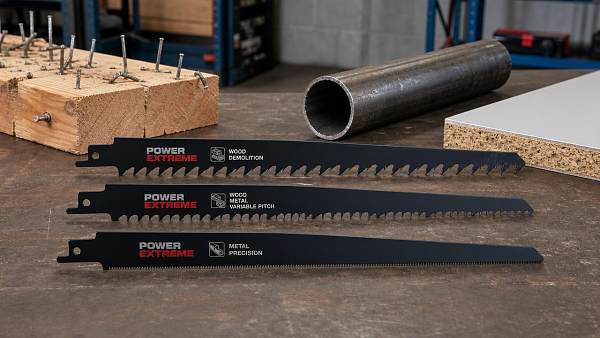
 Hand & Power ToolsReciprocating Saw Blades: Faster Demolition Starts With the Right Tooth DesignReciprocating saw blades work best when tooth design matches the job. Learn how to cut wood, metal, and mixed materials faster with better control, longer blade life, and fewer interruptions.Tooling & Hardware LeadMay 07, 2026
![]() Building HardwareStainless Steel Handrail Brackets for Coastal Projects: What to CheckStainless steel handrail brackets for coastal projects: learn what to check on grade, finish, fixings, and corrosion risk to avoid failures, ensure compliance, and choose with confidence.Tooling & Hardware LeadMay 07, 2026
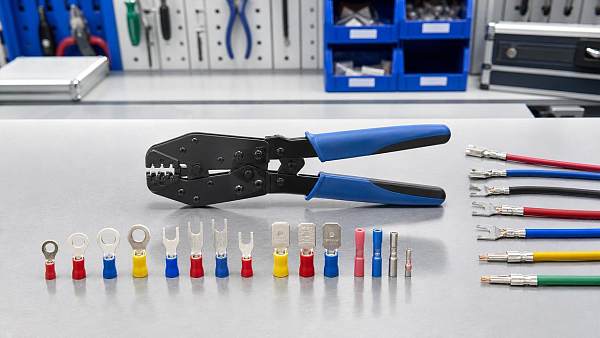
Building HardwareStainless Steel Handrail Brackets for Coastal Projects: What to CheckStainless steel handrail brackets for coastal projects: learn what to check on grade, finish, fixings, and corrosion risk to avoid failures, ensure compliance, and choose with confidence.Tooling & Hardware LeadMay 07, 2026 Hand & Power ToolsCrimping Tools Wholesale: How to Avoid Fit Issues Across TerminalsCrimping tools wholesale buyers: learn how to avoid terminal fit issues, compare key specs, and choose reliable suppliers to reduce rework, prevent failures, and improve repair consistency.Tooling & Hardware LeadMay 07, 2026
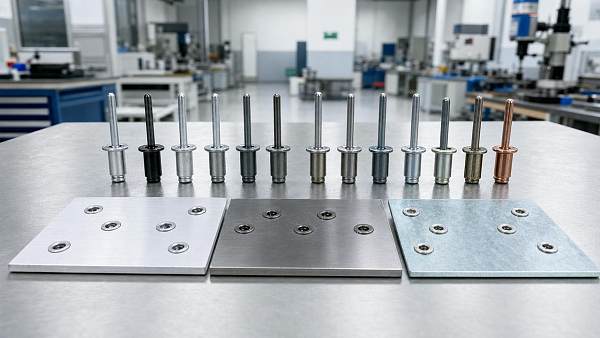
 Industrial FastenersBlind Rivets Wholesale: Material Matching Mistakes to AvoidBlind rivets wholesale buyers: avoid costly material matching mistakes. Learn how aluminum, steel, and stainless choices affect strength, corrosion, and long-term reliability.Tooling & Hardware LeadMay 07, 2026