Industry News
Curation by industry experts
Hot Articles
Popular Tags
Wholesale Router Bits: Which Sets Make Sense for Mixed Woodworking Jobs
Choosing the right wholesale router bits can determine whether mixed woodworking jobs stay profitable, consistent, and easy to scale. For distributors, agents, and resellers serving varied buyer needs, not every set delivers the same value. This article explores which router bit combinations make the most commercial sense, helping you match product selection with market demand, application range, and long-term sales potential.
Why a checklist approach works better for mixed woodworking demand
When buyers ask for wholesale router bits, they rarely mean one exact profile for one exact project. A distributor may be serving cabinet workshops, small furniture factories, sign makers, renovation contractors, and online tool resellers at the same time. Their end users cut plywood, MDF, hardwood, softwood, laminates, and composite boards. Because the job mix is broad, the wrong set can create slow inventory turnover, price pressure, and high return rates.
A checklist-based selection method helps you avoid buying by appearance or by oversized piece count alone. It shifts attention to commercial reality: which profiles sell repeatedly, which bit sizes solve common tasks, which materials hold up in daily use, and which sets are easy to position across several buyer segments. For B2B sellers, that is the difference between a display item and a reliable product line.
For a sourcing-focused platform like Global Supply Review, the key is not simply identifying a “good” tool set, but identifying a set that makes sense for channel sales. That means balancing use frequency, production quality, replacement demand, packaging suitability, and margin structure.
First screening checklist: what to confirm before comparing any set
Before reviewing brands, finishes, or case designs, use the following screening points to evaluate whether a router bit assortment is commercially practical.
- Application coverage: Confirm whether the set covers trimming, edging, grooving, rabbeting, chamfering, pattern work, and decorative profiling. Mixed woodworking jobs require breadth, not just specialty shapes.
- Bit profile relevance: Check if common sellers such as straight bits, flush trim bits, round-over bits, chamfer bits, cove bits, rabbeting bits, and V-groove bits are included. Exotic profiles may look impressive but often move slowly.
- Shank size compatibility: Verify whether the target market mainly uses 1/4-inch or 1/2-inch shanks. For many broad retail and workshop channels, 1/4-inch sets are easier to distribute, while 1/2-inch options may suit heavier-duty users.
- Cutting material: Tungsten carbide tipped bits generally offer the best balance of cost and durability for wholesale router bits. High-speed steel may suit entry-level kits but often underperforms in volume use.
- Body and brazing quality: Poor joining quality leads to chipping, imbalance, and safety concerns. This is especially important when serving professional resellers.
- Packaging and labeling: A wooden case may look premium, but compact molded cases with clear profile markings often reduce handling issues and improve retail presentation.
- Replacement sales potential: Ask whether the best-performing bits in the set are also available as single units. This creates repeat business beyond the initial kit sale.
Which wholesale router bits sets usually make the most sense
Not every large set is a smart buy. In mixed woodworking channels, the most practical sets usually fall into three commercially sound categories.
1) The core 6-piece to 12-piece utility set
This is often the strongest starting point for wholesale distribution. A compact utility set with the most-used profiles tends to sell steadily because it solves everyday routing tasks without overwhelming the buyer. These sets are ideal for hardware distributors, tool dealers, and resellers targeting repair shops, carpenters, and small cabinet makers.
The most commercially useful versions include straight bits in multiple diameters, a flush trim bit, a round-over bit, a chamfer bit, a rabbeting bit, and a V-groove or cove bit. This type of set offers strong practical value, lower landed cost, and better reorder logic than oversized decorative assortments.
2) The balanced 12-piece to 24-piece general woodworking set
For mixed jobs, this is often the best all-around category. It gives enough range for furniture edging, joinery assistance, laminate trimming, shelf work, sign lettering, and profile shaping, while still keeping the assortment commercially understandable. For agents and distributors, this size range is easier to explain, price, and bundle.
A balanced set should not be judged by piece count alone. Instead, evaluate how many included bits are genuinely useful at least once per month in a typical workshop. If too many profiles are niche or redundant, the set may look attractive online but perform poorly offline.
3) The segmented specialty-plus-core strategy
For more mature channels, the smartest option may be not one large set, but a combination of one core set plus one specialty set. For example, a distributor can stock a core general-purpose set alongside a door-making set, panel-raising set, lettering set, or hinge-mortising set. This strategy works well when the market includes both general users and specialized fabricators.
From a sourcing perspective, this also improves merchandising. Buyers can start with the core set and later upgrade by application, creating a cleaner sales ladder than pushing a single oversized kit.
Checklist of bit profiles that matter most in real sales
If you are deciding which wholesale router bits sets deserve inventory space, prioritize profiles that solve frequent woodworking tasks rather than profiles chosen for catalog decoration.
- Straight bits: Essential for grooves, dados, mortises, trimming, and general stock removal. Multiple sizes improve set value immediately.
- Flush trim bits: Highly useful for pattern routing, laminate trimming, and template work. These are among the most practical bits across many user groups.
- Round-over bits: Strong demand in furniture edges, shelving, and finishing work. They make a set feel complete for basic production shops.
- Chamfer bits: Good for edge breaking, decorative bevels, and assembly-friendly finishing. They also appeal to sign and trim users.
- Rabbeting bits: Important for box making, backs, recesses, and joinery support. A bearing-guided version usually adds more practical value.
- Cove and Roman ogee bits: Decorative but still broadly useful if included in moderation. One or two profiles are enough in a general set.
- V-groove bits: Relevant for signage, panel accents, and decorative line work. A good inclusion when targeting mixed commercial buyers.
How buyer type changes the right set choice
The best wholesale router bits assortment depends heavily on who will resell or use it. Distributors should not treat all channels equally.
For hardware dealers and broad-line distributors
Choose compact utility sets and mid-size general woodworking sets. These offer the widest appeal, simpler shelf education, and fewer support questions. Focus on durable carbide-tipped profiles with clear labeling and mainstream shank sizes.
For industrial supply agents
Prioritize consistency, runout control, carbide quality, and reorder availability. Industrial buyers may purchase fewer gift-style kits and more application-driven assortments. Sets that support cabinet production, fixture work, and template routing usually perform better than decorative-heavy packs.
For e-commerce resellers
Visual presentation matters, but product logic matters more. Sets with a clean profile mix, durable storage case, and easy-to-understand application list generate stronger conversion and lower return friction. Avoid inflated piece counts that lead to complaints about unusable shapes.
For regional importers building a private label line
Build around one hero SKU: usually a 12-piece to 24-piece carbide-tipped set for mixed woodworking jobs. Then add single best-selling replacement bits and one or two specialty expansion sets. This creates a more stable portfolio than launching too many similar kits.
Common mistakes that reduce sales quality and margin
- Buying by piece count only: A 35-piece set with limited real-use value can underperform a 12-piece set built around essential profiles.
- Ignoring material mix: If local users cut MDF and laminates heavily, low-grade bits may burn quickly and damage your reputation.
- Missing replacement strategy: Without single-bit replenishment, the initial set sale may not generate long-tail revenue.
- Overloading decorative profiles: Fancy edge shapes may look premium but often move slower than flush trim, straight, and chamfer bits.
- Weak packaging protection: Poorly seated bits in transit can create chipped edges, especially in export shipments.
- Unclear market positioning: A set designed halfway between hobby and industrial use often satisfies neither group well.
Practical sourcing checks before placing a wholesale router bits order
Once you narrow down the right assortment, confirm operational details that affect sell-through and channel trust.
Ask for carbide grade information, body material specification, and tolerance controls. Request profile drawings and actual application mapping, not just product photos. Check whether bearings, anti-kickback design features, and shank finishing meet the expectations of your market. If you are sourcing for multiple countries, confirm packaging language options, barcode readiness, and compliance documentation where relevant.
You should also review carton protection, drop resistance of the storage case, sample consistency across batches, and the supplier’s ability to maintain the same profile mix over time. For B2B channels, assortment stability is nearly as important as cutter quality.
A simple decision model for distributors and agents
If your market serves mixed woodworking users, the safest decision path is usually this:
- Start with a 12-piece to 24-piece carbide-tipped general-purpose set.
- Verify that at least 70% of included profiles are frequent-use shapes.
- Ensure the set includes straight, flush trim, round-over, chamfer, rabbeting, and one or two controlled decorative bits.
- Add single replacement SKUs for the fastest-moving profiles.
- Expand later with specialty sets only after confirming local demand by segment.
This model helps protect working capital while keeping your wholesale router bits offering broad enough to satisfy varied channel demand.
FAQ: key commercial questions buyers often ask
Are larger router bit sets always better for resale?
No. Larger sets often include low-rotation profiles that add cost but not sell-through value. For many channels, a focused mid-size set performs better.
What is the most versatile category of wholesale router bits?
General-purpose carbide-tipped sets with 12 to 24 pieces are often the most versatile for mixed woodworking jobs because they combine broad use with manageable inventory complexity.
Should distributors stock decorative router bit profiles?
Yes, but selectively. Decorative bits support upselling, yet they should not dominate the core assortment unless your buyer base is clearly profile-driven.
Final guidance for moving from evaluation to order planning
The best wholesale router bits sets for mixed woodworking jobs are usually not the biggest, the cheapest, or the most visually crowded. They are the sets built around the most-used profiles, stable material quality, and clear channel logic. For distributors, agents, and resellers, the goal is to stock assortments that fit real workshop tasks, create repeat replacement demand, and remain easy to explain across different buyer types.
If you need to move from comparison to procurement, prioritize discussions around profile mix, shank size demand, carbide specification, packaging durability, private label options, reorder support, minimum order quantity, and lead time consistency. Those are the questions that turn a tool set into a scalable product line and help you select wholesale router bits that genuinely match market demand.
Recommended News
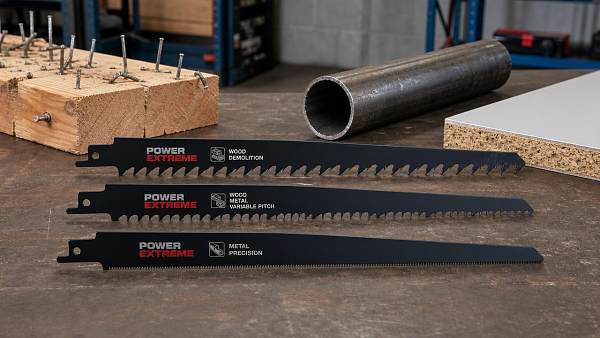
 Hand & Power ToolsReciprocating Saw Blades: Faster Demolition Starts With the Right Tooth DesignReciprocating saw blades work best when tooth design matches the job. Learn how to cut wood, metal, and mixed materials faster with better control, longer blade life, and fewer interruptions.Tooling & Hardware LeadMay 07, 2026
![]() Building HardwareStainless Steel Handrail Brackets for Coastal Projects: What to CheckStainless steel handrail brackets for coastal projects: learn what to check on grade, finish, fixings, and corrosion risk to avoid failures, ensure compliance, and choose with confidence.Tooling & Hardware LeadMay 07, 2026
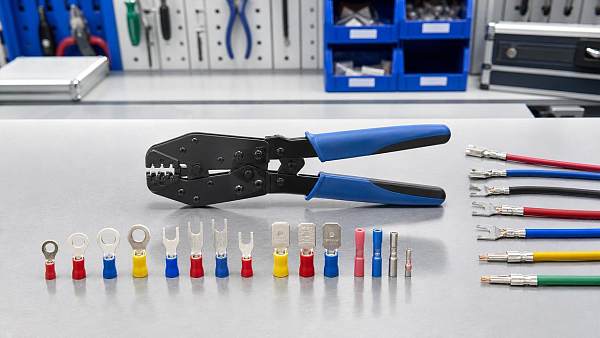
Building HardwareStainless Steel Handrail Brackets for Coastal Projects: What to CheckStainless steel handrail brackets for coastal projects: learn what to check on grade, finish, fixings, and corrosion risk to avoid failures, ensure compliance, and choose with confidence.Tooling & Hardware LeadMay 07, 2026 Hand & Power ToolsCrimping Tools Wholesale: How to Avoid Fit Issues Across TerminalsCrimping tools wholesale buyers: learn how to avoid terminal fit issues, compare key specs, and choose reliable suppliers to reduce rework, prevent failures, and improve repair consistency.Tooling & Hardware LeadMay 07, 2026
 Industrial FastenersBlind Rivets Wholesale: Material Matching Mistakes to AvoidBlind rivets wholesale buyers: avoid costly material matching mistakes. Learn how aluminum, steel, and stainless choices affect strength, corrosion, and long-term reliability.Tooling & Hardware LeadMay 07, 2026