Industry News
Curation by industry experts
Hot Articles
Popular Tags
Rolling Tool Cabinets: Storage Features Worth Paying More For
For finance approvers, rolling tool cabinets are more than workshop storage—they are capital assets that affect productivity, equipment protection, and replacement costs. Paying more only makes sense when premium features deliver measurable value. This guide highlights the storage features worth the investment, helping decision-makers compare durability, security, mobility, and organization benefits before approving purchase budgets.
What Rolling Tool Cabinets Are and Why They Matter
Rolling tool cabinets are mobile storage systems designed to hold hand tools, diagnostic equipment, consumables, small parts, and maintenance essentials in a structured, secure format. Unlike basic static cabinets or low-cost tool chests, higher-grade rolling tool cabinets are engineered for repeated movement, heavy drawer loads, and demanding industrial environments. In manufacturing, facility maintenance, automotive service, construction support, and technical service operations, they function as part of the workflow infrastructure rather than as simple furniture.
That distinction matters to financial decision-makers. When technicians lose time searching for tools, when equipment is damaged by poor drawer support, or when cabinets fail under heavy daily use, the total cost extends well beyond the purchase price. Downtime, replacement purchases, tool loss, and workplace inefficiency can quickly exceed the savings gained from buying a lower-cost unit. For this reason, evaluating rolling tool cabinets through a lifecycle-cost lens is often more useful than focusing only on upfront price.
In today’s B2B environment, buyers are also expected to justify spending with evidence. This is where a structured review of storage features becomes valuable. Not every premium add-on creates financial return, but several design elements consistently improve productivity, reduce damage, strengthen accountability, and extend service life.
Why the Market Pays Attention to Premium Storage Features
Across light manufacturing, repair operations, and industrial service networks, operational discipline has become more important than ever. Lean maintenance programs, tool control requirements, and safety audits all place pressure on storage systems to do more than contain items. Rolling tool cabinets now support inventory visibility, workstation mobility, and loss prevention. For organizations managing distributed teams or multiple sites, cabinet consistency can also simplify training and standard operating procedures.
This broader role explains why many buyers are willing to pay more for certain storage features. A cabinet that moves safely, supports heavier loads, and keeps tools organized can raise billable labor efficiency. A cabinet with stronger locking and better drawer retention can reduce tool disappearance and accidental spills during transport. A cabinet built from thicker steel with higher-quality casters may remain usable for years longer than budget alternatives. In financial terms, premium rolling tool cabinets can protect both labor productivity and tool investment.
A Practical Overview of Features and Their Business Value
The most important question is not whether a cabinet has more features, but whether those features solve real operational problems. The table below summarizes the storage attributes that most often justify a higher spend.
Storage Features Worth Paying More For
1. Drawer Capacity and Slide Quality
Among all premium features in rolling tool cabinets, drawer slide quality is one of the most defensible upgrades. In busy service environments, drawers are opened hundreds of times per week and often carry sockets, power tools, fasteners, meters, and steel components. Low-grade slides wear quickly, bind under load, or fail to extend fully. This creates inefficiency and may lead staff to stack tools improperly.
Full-extension, ball-bearing slides with high load ratings offer measurable value. They improve access, distribute weight more evenly, and reduce strain on the cabinet frame. From a finance perspective, this means fewer maintenance issues and lower risk of having to replace a cabinet before the rest of its structure reaches end of life.
2. Stronger Cabinet Construction
The thickness and quality of steel determine how well rolling tool cabinets resist twisting, denting, and fatigue. Heavier-duty construction becomes especially important when cabinets are moved while fully loaded or when they operate in mixed industrial settings with forklifts, rough floors, and frequent contact. Reinforced corners, welded seams, and stable drawer frames usually outperform cabinets built mainly for occasional consumer use.
For budget approvers, this is not a cosmetic issue. Structural weakness can compromise drawer alignment, lock performance, and caster attachment points. Investing in better construction often produces the longest-term return because it supports every other feature on the cabinet.
3. Mobility Systems Built for Real Floors
Casters are frequently underestimated in cabinet purchasing decisions. Yet on rolling tool cabinets, caster quality directly affects safety, maneuverability, and operator effort. Large-diameter wheels, sealed bearings, and reliable brakes matter in facilities with expansion joints, uneven surfaces, debris, or long travel paths. Side handles and balanced weight distribution also contribute to safer movement.
A cheap mobility system may cause operators to drag or partially unload cabinets, adding labor time and injury risk. Premium casters, by contrast, support the intended workflow: tools travel to the point of use instead of workers repeatedly traveling back to fixed storage.
4. Security and Access Control
For operations using expensive calibration tools, specialty instruments, or controlled maintenance kits, stronger locking systems are often worth the additional cost. Basic keyed locks may be sufficient in low-risk environments, but central locking, tubular locks, or electronic access options can provide better control where tool accountability matters. Some organizations also value lock systems that support audit practices or key management processes.
The business case is simple: lost tools, unauthorized borrowing, and missing consumables create hidden expenses that are difficult to recover. Premium security features on rolling tool cabinets can reduce these losses while supporting cleaner internal controls.
5. Interior Organization That Saves Labor Time
High-quality storage is not just about the outer cabinet. Drawer liners, foam cutouts, modular dividers, labeled compartments, and shallow-plus-deep drawer combinations all help tools stay visible and accessible. This is especially useful in environments using 5S, lean maintenance, or standardized technician setups. Organized interiors reduce time spent searching and make it easier to spot missing items before a job begins or a shift ends.
For finance teams, labor minutes are often more expensive than storage hardware. If a premium cabinet saves even a few minutes per technician per day, the annual payback can be significant across larger teams.
6. Integrated Work Surfaces and Power Access
Some rolling tool cabinets include worktops made from hardwood, stainless steel, or durable composite materials. Others integrate power strips, USB charging, or cable routing for battery charging and electronic diagnostics. These features are worth paying more for when the cabinet also serves as a mobile workstation. In field-service preparation areas, maintenance bays, and technical inspection stations, combining storage and work surface can reduce the need for separate benches and improve space utilization.
However, these should be approved selectively. If the cabinet will remain in a low-tech environment with limited on-unit work, such upgrades may offer less return than better slides, stronger casters, or improved security.
Where Premium Rolling Tool Cabinets Deliver the Most Value
Not every operation needs the same specification. The value of premium rolling tool cabinets depends on tool density, movement frequency, asset value, and workflow intensity. The following table helps match feature levels to common use cases.
How Finance Approvers Should Evaluate the Upgrade Case
A sound approval process should compare premium rolling tool cabinets against expected usage, not against the cheapest available alternative. Start by asking four practical questions: How heavily loaded will the drawers be? How often will the cabinet move? What is the value of the stored tools? How costly is technician downtime in this department? The answers usually clarify which upgrades are essential and which are optional.
Next, assess total ownership cost. This includes expected lifespan, warranty quality, replacement intervals, maintenance burden, and any reduction in lost or damaged tools. A cabinet that costs 25% more upfront but lasts twice as long can easily produce better budget outcomes. The same logic applies when improved organization reduces labor waste or when stronger locks prevent even a small number of annual tool-loss incidents.
It is also wise to request specification clarity from suppliers. Load ratings per drawer, overall cabinet capacity, steel gauge, caster specification, lock type, and warranty terms should be documented. Reliable sourcing decisions are built on verifiable technical details rather than broad marketing claims. This aligns with the broader procurement discipline promoted across global B2B sourcing: measurable performance supports accountable spending.
Common Over-Spends to Avoid
While many premium storage features create value, not all upgrades deserve approval in every case. Decorative finishes, oversized dimensions without a clear storage plan, or branding-driven price premiums may add little operational benefit. Similarly, advanced electronic locking can be excessive where tool values are low and access is already controlled by secure facilities. The best purchasing outcomes come from aligning cabinet specification with actual operational risk and usage intensity.
Finance teams should also be cautious about under-specifying hidden components. Buyers sometimes focus on visible features while overlooking drawer hardware, caster quality, or weld integrity. In practice, these less visible elements often determine whether rolling tool cabinets hold up over years of real use.
Practical Guidance for Budget Approval and Supplier Review
A strong approval decision usually balances operational input with commercial discipline. Ask maintenance leaders or end users to rank the top three pain points they want the cabinet to solve. Then map those needs to features with measurable business impact. For example, if tool loss is the issue, prioritize locking and controlled layout. If movement between work zones is frequent, focus on casters, frame rigidity, and handle placement. If work delays come from disorganization, invest in drawer configuration and internal storage systems.
When comparing vendors, look beyond unit price to evidence of manufacturing quality, consistency, after-sales support, and replacement part availability. In global trade, dependable sourcing increasingly depends on trust signals, technical transparency, and supplier credibility. Cabinets may seem straightforward, but the difference between commodity storage and durable workflow equipment becomes very clear over time.
Final Perspective
The best rolling tool cabinets justify their premium through function, durability, and control. For finance approvers, the goal is not to buy the most expensive option, but to fund the features that protect labor productivity and tool assets over the long term. Heavy-duty drawers, strong construction, reliable mobility, practical security, and efficient organization are usually the storage features worth paying more for. When evaluated as operational infrastructure rather than simple storage, premium rolling tool cabinets often become a rational and defensible investment.
For organizations reviewing suppliers or broader industrial sourcing strategies, a disciplined, data-based approach will produce better outcomes than price-only comparisons. That is especially true in environments where uptime, accountability, and asset protection directly influence financial performance.
Recommended News
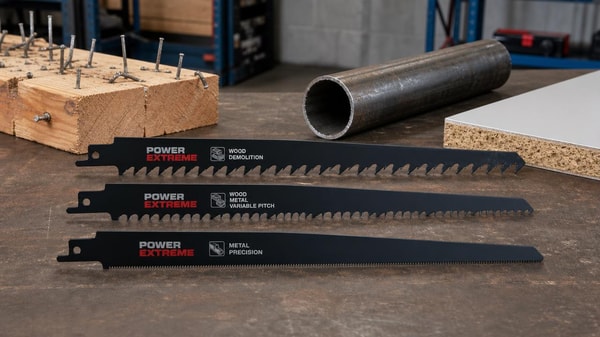
 Hand & Power ToolsReciprocating Saw Blades: Faster Demolition Starts With the Right Tooth DesignReciprocating saw blades work best when tooth design matches the job. Learn how to cut wood, metal, and mixed materials faster with better control, longer blade life, and fewer interruptions.Tooling & Hardware LeadMay 07, 2026
![]() Building HardwareStainless Steel Handrail Brackets for Coastal Projects: What to CheckStainless steel handrail brackets for coastal projects: learn what to check on grade, finish, fixings, and corrosion risk to avoid failures, ensure compliance, and choose with confidence.Tooling & Hardware LeadMay 07, 2026
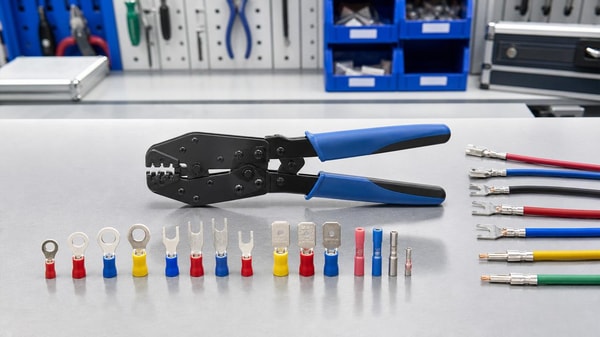
Building HardwareStainless Steel Handrail Brackets for Coastal Projects: What to CheckStainless steel handrail brackets for coastal projects: learn what to check on grade, finish, fixings, and corrosion risk to avoid failures, ensure compliance, and choose with confidence.Tooling & Hardware LeadMay 07, 2026 Hand & Power ToolsCrimping Tools Wholesale: How to Avoid Fit Issues Across TerminalsCrimping tools wholesale buyers: learn how to avoid terminal fit issues, compare key specs, and choose reliable suppliers to reduce rework, prevent failures, and improve repair consistency.Tooling & Hardware LeadMay 07, 2026
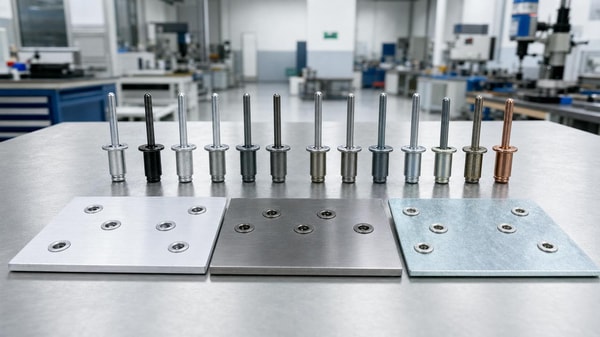
 Industrial FastenersBlind Rivets Wholesale: Material Matching Mistakes to AvoidBlind rivets wholesale buyers: avoid costly material matching mistakes. Learn how aluminum, steel, and stainless choices affect strength, corrosion, and long-term reliability.Tooling & Hardware LeadMay 07, 2026