Industry News
Curation by industry experts
Hot Articles
Popular Tags
Aviation Snips Wholesale: Which Blade Pattern Sells More Consistently
In the aviation snips wholesale market, consistent sales rarely come down to price alone. For distributors, dealers, and agents, the real advantage lies in knowing which blade pattern buyers reorder most often across construction, HVAC, and metalworking channels. This article explores the demand logic behind straight, left-cut, and right-cut aviation snips, helping you align inventory with faster turnover and stronger margins.
What exactly are buyers comparing when they ask about aviation snips wholesale?
When professional buyers search for aviation snips wholesale, they are usually not asking a simple price question. They are comparing blade pattern, cutting direction, handle ergonomics, spring durability, lock design, steel quality, and end-user suitability. For wholesalers serving distributors and agents, this matters because repeat orders are driven by field performance, not just shelf appearance.
Aviation snips are compound-action cutting tools designed for sheet metal, light-gauge steel, aluminum, and other common fabrication materials. In the market, the three standard blade patterns are straight-cut, left-cut, and right-cut. While many procurement teams initially assume these patterns sell evenly, channel data from hardware, HVAC, roofing, and general industrial supply often shows a different story: straight-cut models usually move most consistently, while left-cut and right-cut models sell best as part of a complete assortment strategy.
That is why aviation snips wholesale decisions should be based on turnover behavior. A dealer may order straight-cut snips every month because they fit broad, everyday use. The same dealer may order left-cut and right-cut versions less frequently, but still consider them essential for product line completeness. Understanding this difference helps you avoid overstocking niche blade patterns and missing demand on core SKUs.
Which blade pattern sells more consistently: straight-cut, left-cut, or right-cut?
In most aviation snips wholesale programs, straight-cut models sell more consistently than the directional alternatives. The reason is simple: they serve the widest range of users. Contractors, maintenance teams, installers, and light fabrication workshops often prefer a tool that can handle general straight cuts and gentle curves without requiring special technique. That broad usability translates into steadier reorder frequency.
Left-cut and right-cut snips, however, should not be treated as secondary in importance. Their demand is more task-specific. Left-cut snips are preferred for tighter left curves and better waste curling control in certain cutting positions, while right-cut snips do the same on the opposite side. In trained-user environments such as ductwork fabrication, roofing, flashing work, and sheet metal shops, directional snips may show strong basket attachment rates. They may not always outsell straight-cut units individually, but they improve order value when sold in matched sets.
For most distributors, the practical answer is this: straight-cut is the volume stabilizer, while left-cut and right-cut are margin and completeness drivers. If you only chase the highest monthly volume, you may under-serve trade buyers who want a reliable three-pattern offering from one source.
Quick comparison for aviation snips wholesale planning
Why does straight-cut usually win in wholesale turnover?
Straight-cut snips usually win because they reduce decision friction at every level of the channel. End users understand them quickly. Retail staff can recommend them easily. Procurement managers can justify stocking them because they match general-purpose demand. In aviation snips wholesale, products with the lowest training burden often deliver the most stable reorder rhythm.
Another reason is mixed-jobsite reality. Many buyers do not need perfect directional specialization every day. They need a dependable snip that can handle trim work, thin sheet adjustment, and practical field cuts. Straight-cut models meet that need well enough for a very large buyer base. This makes them especially attractive in regions where trade users prefer versatile tools over highly segmented SKUs.
From a merchandising perspective, straight-cut models are also easier to place in both industrial supply and general hardware channels. They can be sold as entry-level professional tools, replacement tools, or part of contractor starter assortments. That broad placement range is one of the clearest reasons they tend to sell more consistently in aviation snips wholesale programs.
When do left-cut and right-cut snips become stronger sellers?
Left-cut and right-cut models become stronger sellers when your customer base includes specialized metalworking trades. If your downstream buyers supply HVAC fabrication, roofing, siding, duct installation, or workshop-based sheet metal processing, directional snips can become reliable contributors rather than slow movers. In these segments, users care about cleaner curve control, hand position, cut visibility, and reduced material binding.
They also perform better when sold as a system rather than as isolated items. Many distributors improve sell-through by offering color-coded sets, trade kits, or three-piece assortments that include straight, left, and right patterns. In that format, the directional models benefit from the strong base demand of the straight-cut version. For aviation snips wholesale, this is an important lesson: some SKUs do not need to lead sales alone to be profitable.
Regional job mix matters too. Markets with more prefab ducting, commercial fit-out, and light industrial fabrication often generate healthier demand for directional snips. By contrast, general building supply markets may lean more heavily toward straight-cut models. The right wholesale decision therefore depends on channel mapping, not assumptions.
How should distributors judge demand before expanding an aviation snips wholesale line?
The best demand check starts with customer type, not product catalog size. Ask which buyers generate most of your hand tool turnover: general hardware stores, industrial distributors, HVAC suppliers, roofing specialists, or online resellers. Each group has different expectations from an aviation snips wholesale supplier.
Next, examine order pattern quality. A SKU that sells in small but regular quantities may be more valuable than one that spikes once and then sits. Straight-cut snips often dominate this consistency measure. Left-cut and right-cut models should then be evaluated by attachment rate: how often are they ordered alongside straight-cut units, and do they raise basket value?
You should also review technical return triggers. If buyers complain about jaw misalignment, weak springs, poor lock retention, or premature edge wear, demand may look healthy at first but collapse over time. In wholesale, reputation compounds quickly. A supplier that offers stable quality, clear packaging, and consistent blade performance can outperform a cheaper competitor with higher hidden failure rates.
Practical checklist for stock planning
What are the most common mistakes in aviation snips wholesale?
One common mistake is assuming that the lowest-cost pattern will always produce the highest sell-through. In reality, poor spring life or inconsistent blade hardness can create returns that damage channel confidence. Another mistake is overbuying left-cut and right-cut models before validating trade demand. These patterns are valuable, but they perform best when backed by the right customer mix.
A second mistake is ignoring packaging and sales education. For aviation snips wholesale, labeling must clearly show cut direction, material suitability, and user benefit. Color confusion or vague packaging leads to slower sales, especially in multi-brand retail environments. Buyers want tools that are easy to identify at a glance.
A third mistake is treating all distributors the same. A fastener-focused dealer, a building material wholesaler, and an HVAC specialist will not carry the same blade pattern mix. Smart suppliers adjust MOQ, assortment ratios, and promotional language by channel instead of pushing a standard pack to everyone.
So what is the best product mix for steady sales and healthy margins?
For most markets, the strongest aviation snips wholesale strategy is to anchor inventory with straight-cut models, then support them with selective left-cut and right-cut stock based on end-user concentration. If your customer base is broad and mixed, a practical starting ratio often favors straight-cut heavily. If you serve more technical trades, directional snips should receive a larger share and be promoted as bundled solutions.
Margin protection usually comes from segmentation. Keep one dependable, high-rotation straight-cut SKU for volume. Add a more premium series with better steel, grip comfort, and finish for professional buyers. Then offer left-cut and right-cut variants either as matching premium singles or as complete sets. This approach supports both turnover and upsell.
For agents and distributors trying to build long-term accounts, the message should be clear: the blade pattern that sells most consistently is usually straight-cut, but the line that performs best commercially is often the one that includes all three patterns with the right inventory balance. That is the difference between simply moving cartons and building a trusted tool category.
What should you confirm before placing or expanding an aviation snips wholesale order?
Before moving forward, confirm five issues with your supplier or sourcing partner: actual reorder history by blade pattern, recommended stock ratio by channel, consistency of blade hardness and spring performance, packaging clarity for directional identification, and support for mixed assortments or private labeling. These details matter more than headline price if your goal is repeatable sell-through.
If you need to evaluate an aviation snips wholesale opportunity in more depth, the most useful next questions are practical ones: Which pattern leads monthly reorder rates in similar markets? What industries do current buyers serve? Are sets outperforming singles? What defect rate is acceptable for this price tier? How flexible are MOQ, branding, and carton configuration? Starting with these questions will help distributors, dealers, and agents make a more accurate purchasing decision and build a tool assortment that sells with greater consistency.
Recommended News
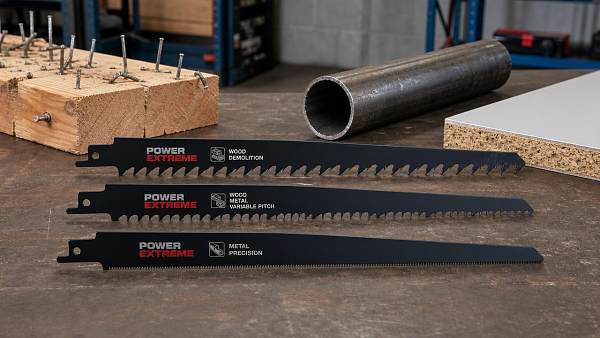
 Hand & Power ToolsReciprocating Saw Blades: Faster Demolition Starts With the Right Tooth DesignReciprocating saw blades work best when tooth design matches the job. Learn how to cut wood, metal, and mixed materials faster with better control, longer blade life, and fewer interruptions.Tooling & Hardware LeadMay 07, 2026
![]() Building HardwareStainless Steel Handrail Brackets for Coastal Projects: What to CheckStainless steel handrail brackets for coastal projects: learn what to check on grade, finish, fixings, and corrosion risk to avoid failures, ensure compliance, and choose with confidence.Tooling & Hardware LeadMay 07, 2026
Building HardwareStainless Steel Handrail Brackets for Coastal Projects: What to CheckStainless steel handrail brackets for coastal projects: learn what to check on grade, finish, fixings, and corrosion risk to avoid failures, ensure compliance, and choose with confidence.Tooling & Hardware LeadMay 07, 2026 Hand & Power ToolsCrimping Tools Wholesale: How to Avoid Fit Issues Across TerminalsCrimping tools wholesale buyers: learn how to avoid terminal fit issues, compare key specs, and choose reliable suppliers to reduce rework, prevent failures, and improve repair consistency.Tooling & Hardware LeadMay 07, 2026
 Industrial FastenersBlind Rivets Wholesale: Material Matching Mistakes to AvoidBlind rivets wholesale buyers: avoid costly material matching mistakes. Learn how aluminum, steel, and stainless choices affect strength, corrosion, and long-term reliability.Tooling & Hardware LeadMay 07, 2026