Industry News
Curation by industry experts
Hot Articles
Popular Tags
Heavy Duty Rivet Gun Selection Tips for Frequent Assembly Work
Choosing the right heavy duty rivet gun can make frequent assembly work faster, safer, and more consistent. For operators handling repetitive fastening tasks, the ideal tool reduces hand fatigue, improves joint strength, and supports smoother workflow on the line. This guide highlights practical selection tips to help you compare options and match performance, durability, and ease of use to real production demands.
In hardware and fastener operations, frequent riveting is rarely a simple hand-tool decision. The wrong heavy duty rivet gun can slow cycle time, increase reject rates, and create unnecessary strain across a shift of 6 to 10 hours. For operators, supervisors, and sourcing teams evaluating tools for repetitive assembly, the best choice is the one that fits the rivet range, material stack-up, production volume, and maintenance reality of the job.
Whether the application involves sheet metal housings, light structural brackets, cabinets, enclosures, display fixtures, or furniture hardware, selection should be based on real working conditions rather than catalog claims alone. A well-matched heavy duty rivet gun supports stable pull force, manageable weight, easy nosepiece changes, and reliable performance across hundreds or even thousands of cycles per day.
Understand the Demands of Frequent Assembly Work First
Before comparing tool types, define the assembly environment in measurable terms. In most production settings, 4 variables drive selection: rivet diameter, rivet material, daily fastening volume, and operator exposure time. A heavy duty rivet gun used for 150 fastenings per day has different requirements from one used for 1,200 fastenings across multiple stations.
Map the actual workload
Start with a simple task review. Record how many rivets are installed per unit, how many units are produced per shift, and how often the tool changes between aluminum, steel, or stainless rivets. This 3-step review often reveals whether a manual, lever, pneumatic, or battery-powered heavy duty rivet gun is the most practical fit.
Questions worth asking at line level
- What rivet diameters are used most often: 3.2 mm, 4.0 mm, 4.8 mm, or larger?
- Are operators setting 200, 500, or more than 1,000 rivets per shift?
- Is access open and flat, or does the tool need to reach narrow channels and corners?
- Does the station have compressed air, or is mobility more important than fixed installation?
- How much downtime can the process tolerate for jaw cleaning, refilling, or nosepiece changes?
These details matter because frequent assembly work places cumulative stress on both the tool and the operator. A unit that performs well in occasional repair work may become inefficient in a repetitive manufacturing cell after just 2 to 3 hours of continuous use.
Match tool type to production intensity
The table below provides a practical comparison for selecting a heavy duty rivet gun based on volume, mobility, and operator effort. It is especially useful for teams sourcing tools across mixed assembly lines.
The main takeaway is straightforward: if assembly is frequent and repetitive, a heavy duty rivet gun should reduce force demand per cycle and maintain consistent setting quality. For many production lines, pneumatic or battery-powered tools offer the best balance between throughput and operator comfort, while lever tools remain useful where power access is limited.
Key Selection Criteria That Affect Performance and Operator Comfort
Once the workload is clear, evaluate the tool against the factors that most directly influence daily performance. For operators, the right heavy duty rivet gun is not only about raw pulling force. It should also support predictable handling, fast setup, and low strain during repetitive use.
1. Rivet size and material compatibility
Not every tool can handle the same mix of fasteners. Some are suitable for aluminum rivets up to 4.8 mm but struggle with stainless steel at the same diameter. If the assembly line uses steel or stainless blind rivets regularly, confirm rated capacity rather than assuming all “heavy duty” models perform equally.
A useful rule is to check at least 3 points: maximum rivet diameter, supported materials, and pulling force consistency over repeated cycles. In frequent assembly work, underpowered tools often cause incomplete set formation, stem break variation, or premature jaw wear.
2. Tool weight and balance
A difference of 0.5 kg may not seem large during a product demo, but over 800 to 1,200 cycles it becomes significant. For bench work, a slightly heavier heavy duty rivet gun may be acceptable if it improves pulling power. For overhead or vertical installation, lighter weight and better center of gravity often matter more than peak force on paper.
3. Handle design and trigger effort
Grip shape, handle span, and trigger resistance directly affect fatigue. Operators with gloves, smaller hands, or continuous shift duties typically benefit from a design that allows a secure grip without overextension. If possible, evaluate comfort over at least 50 consecutive pulls rather than relying on a single trial set.
4. Nosepiece access and changeover speed
Lines producing multiple SKUs may switch between 3.2 mm, 4.0 mm, and 4.8 mm rivets in one day. A heavy duty rivet gun with simple nosepiece storage and quick change capability can save several minutes per changeover. Across 4 to 6 changes per shift, that time adds up quickly.
5. Spent mandrel management and maintenance access
For pneumatic and battery tools, spent mandrel collection reduces floor hazards and supports cleaner stations. Also examine how easy it is to access jaws for cleaning. In high-cycle environments, jaw inspection every 1 to 2 weeks may be necessary depending on rivet material and dust conditions.
Practical checklist for operator-focused evaluation
- Confirm rivet material range and maximum diameter.
- Test 30 to 50 consecutive installations under real posture conditions.
- Check whether nosepieces can be changed in under 3 minutes.
- Review maintenance points, especially jaw cleaning and lubrication intervals.
- Compare noise, vibration, and hose or battery management requirements.
Choose for Durability, Not Just Purchase Price
In sourcing discussions, initial tool cost often receives too much attention. For frequent assembly work, total operating value is usually a better measure. A lower-cost heavy duty rivet gun may appear attractive, but if it requires frequent jaw replacement, longer cycle time, or operator pauses due to fatigue, the real cost per installed rivet rises.
Where durability shows up in real use
Durability is not only about external housing. It includes jaw life, hydraulic or pneumatic seal stability, trigger reliability, thread integrity at the nose assembly, and resistance to contamination from metal debris. In daily production, even a 5-second delay per cycle can affect output across large batch runs.
The following comparison helps operators and buyers look beyond headline specifications when assessing a heavy duty rivet gun for long-term use.
A durable heavy duty rivet gun should maintain stable results over time, not just on the first day of use. For B2B buyers, spare part availability and service response can be as important as the original tool specification, especially when production cannot pause for 7 to 10 days waiting for replacements.
Common Selection Mistakes in Hardware Assembly Settings
Even experienced teams sometimes choose tools based on broad labels rather than process fit. In hardware and fastener applications, small mismatches often lead to larger productivity losses over time.
Mistake 1: Buying for maximum capacity only
A heavy duty rivet gun rated for large stainless rivets may be oversized for a line using mostly 3.2 mm aluminum blind rivets. The result can be unnecessary weight, higher purchase cost, and reduced handling comfort. Capacity should fit the actual 80% use case, while still covering occasional peak requirements.
Mistake 2: Ignoring operator posture and station layout
A tool that works well on a bench may feel awkward in cabinet interiors, frame corners, or vertical panel assembly. Check hose routing, battery clearance, and nose length against the real workstation. In some cases, a rotating air inlet or extended nose assembly can improve access more than a higher force rating.
Mistake 3: Underestimating maintenance discipline
Some tools perform well only when jaws are cleaned regularly and air quality is controlled. If the site lacks a strong preventive maintenance routine, choose a heavy duty rivet gun with simpler service access and a more forgiving design. A realistic maintenance interval of weekly checks and monthly part review is often better than a complex system that no one follows.
Mistake 4: Not testing with real rivets and substrate stacks
Material stack-up affects performance. Thin sheet plus soft backing behaves differently from thicker steel brackets or coated panels. Always run a sample test with the actual rivet body, grip range, and substrate thickness. A 20-minute trial can reveal feed issues, access problems, or inconsistent breaks before a larger purchase is made.
Implementation Tips for Smoother Adoption on the Line
Selecting the right heavy duty rivet gun is only part of the result. Good implementation improves consistency from day one. Operators and supervisors should treat deployment as a controlled process rather than simply handing out new tools.
Set up a short trial and review period
A 3 to 5 day trial is usually enough to assess comfort, cycle reliability, and maintenance burden. During that period, track 4 points: number of rivets installed, reject count, operator feedback, and stoppages related to tool handling. This gives better guidance than a specification sheet alone.
Standardize consumables and inspection points
Consistency improves when rivet sizes, nosepieces, and cleaning tools are stored in a defined way. A simple station standard can include daily visual inspection, jaw cleaning at shift end, and weekly checks for loose fittings, air leaks, or battery charging performance.
Recommended line-control routine
- Start of shift: inspect nosepiece fit, trigger response, and mandrel container status.
- Mid-shift: verify set quality every 100 to 200 rivets if the product is safety-sensitive.
- End of shift: remove debris, clean jaws, and record any slips or incomplete pulls.
- Weekly: review wear parts and confirm spare kits are available on site.
This routine is especially valuable where multiple operators share one heavy duty rivet gun, because variation in use habits can accelerate wear if inspection is inconsistent.
Final Buying Guidance for Operators and Sourcing Teams
The most effective heavy duty rivet gun is the one that matches actual production volume, rivet material, workstation layout, and maintenance capability. For frequent assembly, operator comfort should carry nearly equal weight with technical capacity. A tool that saves even 1 to 2 seconds per cycle, while reducing hand strain and rework, can deliver meaningful gains over a full month of production.
When comparing options, focus on 5 decision points: rivet compatibility, cycle demand, ergonomic fit, serviceability, and long-term durability. In many B2B assembly settings, these factors have more operational impact than headline price alone. A careful evaluation also helps procurement teams align tool choice with stable output and safer working conditions.
If you are reviewing heavy duty rivet gun options for repetitive fastening tasks, Global Supply Review can help you assess practical specifications, sourcing priorities, and application fit across hardware and fastener workflows. Contact us to discuss your assembly requirements, request a tailored comparison, or learn more solutions for efficient, operator-friendly riveting systems.
Recommended News
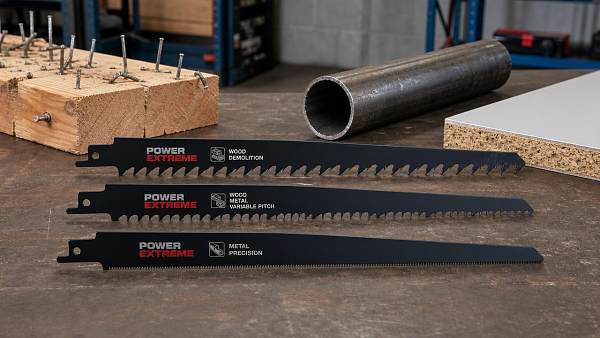
 Hand & Power ToolsReciprocating Saw Blades: Faster Demolition Starts With the Right Tooth DesignReciprocating saw blades work best when tooth design matches the job. Learn how to cut wood, metal, and mixed materials faster with better control, longer blade life, and fewer interruptions.Tooling & Hardware LeadMay 07, 2026
![]() Building HardwareStainless Steel Handrail Brackets for Coastal Projects: What to CheckStainless steel handrail brackets for coastal projects: learn what to check on grade, finish, fixings, and corrosion risk to avoid failures, ensure compliance, and choose with confidence.Tooling & Hardware LeadMay 07, 2026
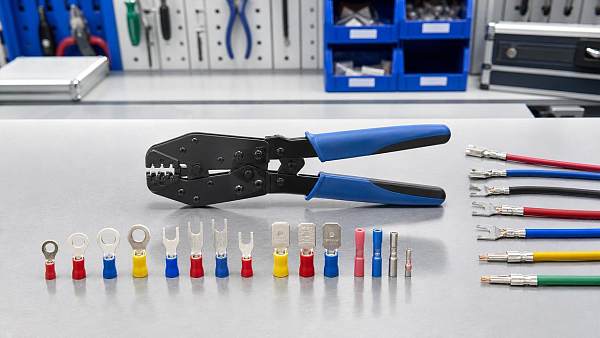
Building HardwareStainless Steel Handrail Brackets for Coastal Projects: What to CheckStainless steel handrail brackets for coastal projects: learn what to check on grade, finish, fixings, and corrosion risk to avoid failures, ensure compliance, and choose with confidence.Tooling & Hardware LeadMay 07, 2026 Hand & Power ToolsCrimping Tools Wholesale: How to Avoid Fit Issues Across TerminalsCrimping tools wholesale buyers: learn how to avoid terminal fit issues, compare key specs, and choose reliable suppliers to reduce rework, prevent failures, and improve repair consistency.Tooling & Hardware LeadMay 07, 2026
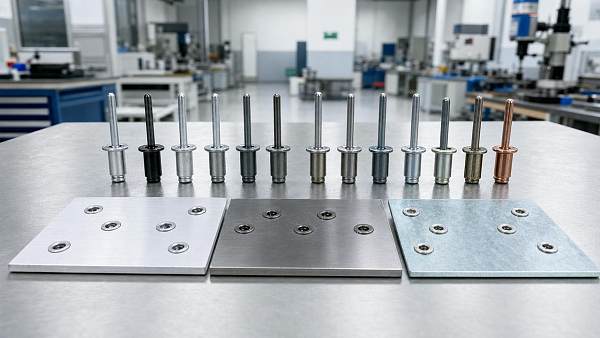
 Industrial FastenersBlind Rivets Wholesale: Material Matching Mistakes to AvoidBlind rivets wholesale buyers: avoid costly material matching mistakes. Learn how aluminum, steel, and stainless choices affect strength, corrosion, and long-term reliability.Tooling & Hardware LeadMay 07, 2026