Industry News
Curation by industry experts
Hot Articles
Popular Tags
Leather Tool Pouches That Hold Up in Real Jobsite Conditions
On a real jobsite, gear gets soaked, scraped, overloaded, and tested every hour. That is why leather tool pouches remain a trusted choice for operators who need durability, quick access, and reliable organization under pressure. In this guide, we look at what makes the best leather tool pouches hold up in demanding working conditions and how to choose the right option for daily use.
For operators, site supervisors, and sourcing teams, the issue is not whether a pouch looks rugged on day one. The real question is whether it can keep shape, protect tools, and stay wearable after 6 to 12 months of repetitive lifting, kneeling, ladder work, and weather exposure. In B2B buying environments, leather tool pouches are evaluated not only for comfort and capacity, but also for service life, stitching quality, hardware strength, and replacement cost across crews.
Across construction, maintenance, utilities, fit-out, and industrial installation work, leather tool pouches remain relevant because they combine structure with flexibility. A well-built pouch can carry fasteners, pliers, tape measures, knives, pencils, and compact power tool accessories in one belt-mounted system. That matters when every extra 10 to 20 seconds spent reaching for a tool gets multiplied across dozens of tasks per shift.
Why Leather Tool Pouches Still Perform on Tough Jobsites
Modern operators often compare leather with nylon, canvas, and hybrid synthetic rigs. Each material has a place, but leather tool pouches continue to perform well in abrasive environments because dense leather resists edge wear, maintains pocket shape, and tolerates repeated contact with screws, drill bits, and steel clips. In daily field use, structure matters as much as raw strength.
Structural advantages in high-friction work
On a jobsite, pouches rub against scaffolding, concrete walls, ladder rails, and vehicle interiors. Thin fabric systems may be lighter, but they can lose form under uneven loads. Leather tool pouches in the 2 mm to 3.5 mm thickness range generally offer better resistance to sagging and pocket collapse, especially in single-side carry zones where one pouch may hold 2 kg to 5 kg of tools through an 8 to 10 hour shift.
Another practical advantage is controlled break-in. Good leather softens gradually without becoming flimsy too quickly. That balance helps operators retrieve frequently used items by feel, which reduces wasted motion. In tasks such as framing, electrical rough-in, and service work, access speed is a measurable productivity factor rather than a comfort-only preference.
Where performance failures usually start
Most premature failures do not start in the leather panel itself. They begin at 4 common stress points: rivet pull-through, seam blowout, belt slot distortion, and lower-pocket corner fatigue. Buyers who focus only on leather thickness often miss these details. A heavy leather body with weak thread or poorly set rivets can still fail within 3 to 6 months under trade-level use.
The table below outlines the main material and construction factors that influence whether leather tool pouches actually hold up under real working conditions.
The key takeaway is simple: long-lasting leather tool pouches are built as systems, not just cut from thick hide. Procurement teams should treat leather quality, seam construction, and hardware reinforcement as one package when comparing products for field crews.
Why operators keep choosing leather
- Better pocket definition for screws, nails, pliers, knives, and markers
- More predictable wear pattern over 6, 9, or 12 months of routine use
- Reduced flop and collapse when moving between ground work and ladder work
- Improved comfort once broken in, especially on belts worn 5 days per week
These benefits matter most to users who work in motion. If an operator climbs 20 to 40 times per day or transitions constantly between installation points, pouch shape retention can improve rhythm and reduce misplacement of small tools.
How to Choose Leather Tool Pouches for Daily Use
Not every job requires the same pouch layout. A finish carpenter, service electrician, HVAC technician, and general maintenance worker may all carry leather tool pouches, but their ideal pocket depth, tool loop count, and total weight differ. Selection should start with task frequency, carried tool volume, and body movement requirements.
Match the pouch to the tool profile
A common buying mistake is choosing by overall size alone. Large pouches seem practical, but if they allow items to stack too deep, operators lose time searching and overloading one side. For many field roles, 5 to 9 core compartments plus 2 to 4 external loops create a better balance than oversized bucket-style storage.
Typical carry categories
- Fastener-focused carry: nails, screws, anchors, compact tape
- Hand-tool carry: pliers, snips, utility knife, driver set
- Mixed install carry: markers, bits, connectors, level clips, measuring tools
- Service carry: diagnostic tools, compact flashlight, notebook, testers
If more than 60% of the load is small hardware, choose wider mouth pockets with reinforced lower corners. If more than 60% is hand tools, prioritize vertical retention and handle separation. This kind of load mapping helps leather tool pouches stay organized under movement instead of becoming catch-all pockets.
The comparison below can help buyers align pouch style with real site use rather than catalog appearance.
In procurement terms, the best leather tool pouches are not always the biggest or heaviest. The most effective options are the ones that match task sequence, tool shape, and movement pattern with minimal wasted space.
Comfort and belt integration matter more than many buyers expect
An operator may carry a tool rig for 35 to 50 hours per week. If the pouch shifts, digs into the thigh, or creates a strong left-right imbalance, fatigue builds quickly. That is why pouch attachment design, belt compatibility, and total loaded weight should be reviewed together. As a practical benchmark, many users perform best when each side of the belt stays within a manageable weight range rather than allowing one pouch to dominate the load.
For larger crews, trial fitting is valuable before full rollout. Testing 3 to 5 candidate pouch configurations over 1 workweek often reveals issues that a desk review misses, such as restricted crouching, tool handle collisions, or poor access while wearing gloves.
What Procurement Teams Should Check Before Ordering
For B2B buyers, selecting leather tool pouches is not only a user preference decision. It also affects replacement cycles, field consistency, and operating cost. A pouch that lasts 9 months instead of 4 months may reduce replacement frequency significantly, especially across crews of 20, 50, or 100 operators.
Four practical evaluation criteria
- Construction reliability: inspect seams, rivets, edge finishing, and attachment points
- Functional layout: confirm pocket count, loop access, and compatibility with actual carried tools
- Wear economics: estimate likely service life under standard use cycles
- Supply stability: review lead times, production consistency, and repeat-order capability
Lead time is especially important for enterprises standardizing field gear. Depending on volume, customization level, and sourcing region, practical replenishment windows may range from 2 to 6 weeks. That affects whether a buyer can support seasonal hiring, project mobilization, or urgent replacement demand without mixing too many pouch formats across teams.
Questions worth asking suppliers
Before placing larger orders, ask how the leather is selected, where reinforcement is applied, and what kind of production checks are used for seam consistency. Also clarify whether replacement batches maintain the same pocket dimensions and hardware specification. In field operations, a 1 cm change in slot width or loop position can affect tool fit more than expected.
Procurement teams should also request clear packing, labeling, and order segmentation if different crews need different pouch formats. For example, electrical maintenance and general construction teams may require separate SKUs, even when both use leather tool pouches on the same site network.
Maintenance, Wear Control, and Common Buying Mistakes
Even durable leather tool pouches need basic upkeep. Leather is strong, but field dirt, water, oils, and cement dust can shorten service life if ignored. Routine maintenance does not need to be complicated, yet it should be consistent enough to prevent drying, hardening, or shape loss over time.
Simple care steps that extend service life
- Empty pockets at the end of the shift to remove screws, metal fragments, and dust.
- Let wet pouches air dry naturally for 12 to 24 hours away from direct heat.
- Inspect seams, rivets, and belt slots every 2 to 4 weeks.
- Apply appropriate leather conditioning at reasonable intervals based on climate and use intensity.
These steps are especially useful on sites where operators move between indoor and outdoor conditions, or where mud, rain, and slurry exposure happen several times per week. Maintenance is not just about appearance; it helps preserve flexibility and prevents early cracking around stress points.
Mistakes that reduce performance too early
The first mistake is overloading. If a pouch is designed for compact hand tools and fasteners but is regularly used to carry oversized fittings or heavy steel components, deformation comes quickly. The second mistake is poor weight distribution. Operators often overload their dominant side, which accelerates wear on one pouch and increases body fatigue.
Another frequent error is ignoring moisture exposure. Leather tool pouches can handle damp conditions, but repeated soak-dry cycles without care can stiffen the material and stress the stitching. Finally, some buyers choose purely on unit price. Lower-cost options may appear efficient at purchase, yet if they double replacement frequency, total ownership cost rises within the first 2 or 3 buying cycles.
Quick field FAQ
Are leather tool pouches too heavy for all-day wear?
Not necessarily. The issue is usually loaded configuration, not leather alone. A well-designed pouch with a balanced tool set often feels better than a lighter pouch that collapses or shifts all day.
Are they suitable for wet environments?
Yes, within normal jobsite exposure. However, repeated saturation requires drying and care. If the work environment involves constant chemical contact or prolonged standing water, hybrid material systems may deserve review.
How many pockets are ideal?
For many operators, 5 to 9 main pockets plus several loops provide a practical middle ground. More than that can be useful, but only if each space supports a specific tool or fastener category.
Leather tool pouches continue to earn their place because they solve real problems on real jobsites: abrasion, disorganization, slow access, and uneven wear. The best-performing options combine durable leather, reinforced stress points, functional pocket layout, and belt compatibility that operators can trust shift after shift. For buyers and users alike, the smartest choice is the one that aligns construction quality with actual field tasks, replacement planning, and crew comfort. If you are reviewing sourcing options or comparing configurations for your team, contact GSR to get tailored product guidance, procurement insight, and more practical solutions for durable leather tool pouches.
Recommended News
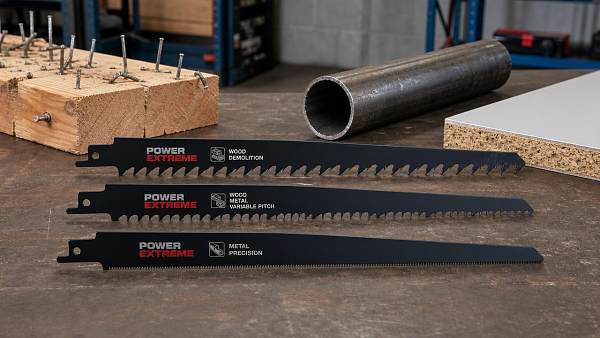
 Hand & Power ToolsReciprocating Saw Blades: Faster Demolition Starts With the Right Tooth DesignReciprocating saw blades work best when tooth design matches the job. Learn how to cut wood, metal, and mixed materials faster with better control, longer blade life, and fewer interruptions.Tooling & Hardware LeadMay 07, 2026
![]() Building HardwareStainless Steel Handrail Brackets for Coastal Projects: What to CheckStainless steel handrail brackets for coastal projects: learn what to check on grade, finish, fixings, and corrosion risk to avoid failures, ensure compliance, and choose with confidence.Tooling & Hardware LeadMay 07, 2026
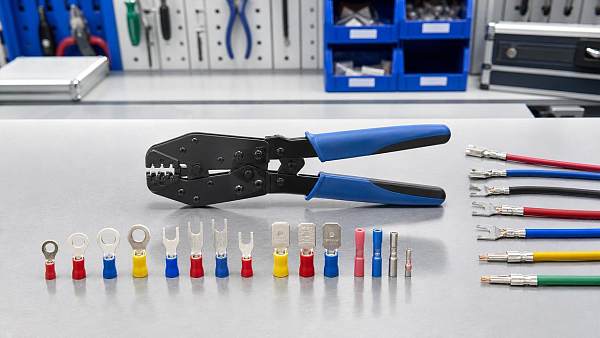
Building HardwareStainless Steel Handrail Brackets for Coastal Projects: What to CheckStainless steel handrail brackets for coastal projects: learn what to check on grade, finish, fixings, and corrosion risk to avoid failures, ensure compliance, and choose with confidence.Tooling & Hardware LeadMay 07, 2026 Hand & Power ToolsCrimping Tools Wholesale: How to Avoid Fit Issues Across TerminalsCrimping tools wholesale buyers: learn how to avoid terminal fit issues, compare key specs, and choose reliable suppliers to reduce rework, prevent failures, and improve repair consistency.Tooling & Hardware LeadMay 07, 2026
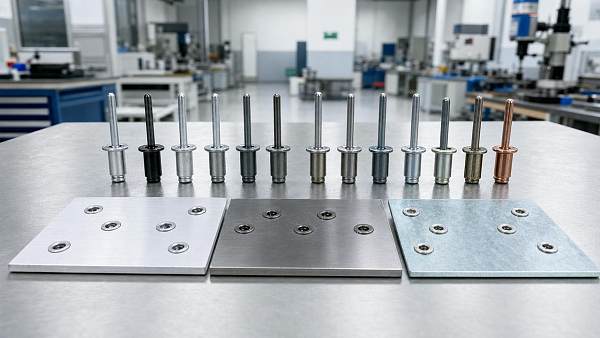
 Industrial FastenersBlind Rivets Wholesale: Material Matching Mistakes to AvoidBlind rivets wholesale buyers: avoid costly material matching mistakes. Learn how aluminum, steel, and stainless choices affect strength, corrosion, and long-term reliability.Tooling & Hardware LeadMay 07, 2026