Industry News
Curation by industry experts
Hot Articles
Popular Tags
PVC Pipe Cutters: When They Work Better Than Saws on Site
On active job sites, speed, control, and cut quality can matter more than brute force. For project managers weighing tool choices, pvc pipe cutters often outperform saws when clean edges, safer handling, and faster repetitive cuts are needed. This article explores where they deliver clear on-site advantages, what limitations to watch for, and how the right cutting method can support productivity, installation accuracy, and overall project efficiency.
Why Site Conditions Change the Best Cutting Method
For a project manager, the question is rarely whether a pipe can be cut. The real question is which tool supports schedule control, installation consistency, worker safety, and rework reduction in the actual environment of the job site. That is why the comparison between pvc pipe cutters and saws should be made through scenarios rather than through general preference.
On paper, saws look universal. They can handle larger diameters, tougher wall thicknesses, and mixed materials. But on site, universality is not always efficiency. In fit-out work, maintenance tasks, light commercial plumbing, electrical conduit installation, and repetitive branch line assembly, a compact cutting tool can save minutes on every cut. Across dozens or hundreds of cuts, that becomes a measurable labor advantage.
This matters even more in projects where downstream tasks are tightly linked. A rough or angled cut can slow deburring, compromise socket fit, increase adhesive handling time, or create alignment issues that spread across a run. In those conditions, pvc pipe cutters are not just hand tools. They become process-control tools.
Quick Scenario Comparison: When PVC Pipe Cutters Beat Saws
The table below gives project leaders a fast way to judge which cutting approach usually fits specific site conditions.
Typical Job Site Scenarios Where PVC Pipe Cutters Offer Clear Advantages
Interior Commercial Fit-Outs
In office, retail, hospitality, and healthcare fit-outs, crews often work around finished surfaces, tight service zones, and other active trades. Here, pvc pipe cutters help reduce the operational footprint of cutting. Workers do not need as much swing space, and there is usually less mess compared with sawing. For project managers overseeing congestion and trade stacking, that reduction in interference can improve overall flow.
This is especially valuable for branch plumbing, condensate lines, drain extensions, and electrical PVC conduit where diameters are moderate and cut counts are high. The more repetitive the work, the more the time savings become visible in daily production reporting.
Maintenance, Retrofit, and Repair Work
Retrofit environments rarely offer ideal access. Technicians may be cutting under sinks, above ceilings, beside mechanical units, or within partially occupied facilities. In these cases, pvc pipe cutters often outperform saws because they offer better control in awkward positions. That reduces the likelihood of damaging adjacent components or producing cuts that need correction.
For project leaders handling repair response or phased upgrades, this matters because speed is not only about labor minutes. It is also about restoring service quickly, minimizing disruption, and reducing call-backs caused by poor fit-up.
Prefabrication Support Near the Installation Zone
Many modern projects use light prefabrication at floor level, in staging areas, or in temporary assembly zones close to the point of installation. When crews are producing repeated pipe sections from standard dimensions, pvc pipe cutters can improve consistency. A square, clean cut helps crews move faster into chamfering, solvent welding, or push-fit assembly without losing time to edge correction.
In this scenario, the tool choice supports lean workflow. If each cut is predictable, supervisors can better estimate output per worker, material yield, and installation sequence reliability.
Occupied Buildings and Low-Disruption Projects
Schools, hospitals, commercial towers, and retail stores often require construction teams to work during operating hours. In these situations, dust control, housekeeping, and disturbance reduction influence tool selection. While not silent, pvc pipe cutters generally create a cleaner and simpler workflow than sawing. That can support compliance with site cleanliness expectations and reduce friction with facility operators.
Where Saws Still Make More Sense
A balanced site decision also means knowing when not to rely on pvc pipe cutters. If crews are handling large-diameter PVC, schedule 80 pipe, thicker-walled material, or brittle aged pipe, a saw may be the more practical choice. A cutter that is undersized for the task can crush rather than shear, leading to deformation and wasted fittings.
Saws are also better where the work mix is broad. If a team alternates among PVC, steel supports, threaded rod, and miscellaneous trims, carrying one powered saw may simplify logistics. For project managers, the goal is not to force a single-tool policy but to match the dominant cutting profile of the work package.
How Different Project Types Change the Decision
The same tool can have very different value depending on project type, crew structure, and schedule pressure. This is where site leadership should avoid one-size-fits-all assumptions.
Key Performance Factors Project Managers Should Evaluate
Cut Quality and Joint Reliability
A cleaner, squarer cut can improve joint seating and reduce time spent correcting edges. When a project includes many solvent-welded or gasketed connections, that consistency supports installation accuracy. The value is not only technical but managerial: fewer misfits can mean fewer delays during testing and commissioning.
Labor Efficiency Across Repetitive Tasks
One cut does not decide productivity, but one hundred cuts do. If pipe diameters are within the efficient range of pvc pipe cutters, supervisors often see faster pacing on repetitive work. Reduced setup and simpler handling help maintain rhythm, especially with semi-skilled crews under experienced supervision.
Safety and Work Positioning
Safety outcomes are influenced by site behavior and tool condition, but compact cutting methods can reduce some practical risks. In ladders, ceiling spaces, or crowded plant rooms, better body positioning and lower tool complexity can help crews work with more confidence. For managers, that can support toolbox talks focused on access, hand placement, and controlled cuts rather than only blade exposure and cord management.
Waste, Cleanup, and Finish Protection
On projects with strict housekeeping standards, tool choice affects cleanup time and area turnover. pvc pipe cutters can reduce loose debris and simplify protection of nearby finishes. That advantage becomes more meaningful when multiple trades are sharing a handover zone or when the client is sensitive to daily site appearance.
Common Misjudgments in Tool Selection
A frequent mistake is choosing tools based only on purchase cost. The cheaper saw option may appear economical, but if it causes slower cycle times, rougher cuts, or more cleanup, the labor cost can outweigh the initial savings. Another common error is assuming all PVC behaves the same. Diameter, wall thickness, temperature, age, and installation position all affect how cleanly a cutter performs.
Teams also sometimes ignore crew skill distribution. A highly experienced installer may produce acceptable results with many tools, but project productivity depends on the average crew member, not the best one. If pvc pipe cutters help less experienced workers achieve repeatable cuts faster, that can be a strong operational reason to standardize them for certain packages.
Another overlooked issue is maintenance. A dull blade or worn ratchet changes performance quickly. Project managers should treat cutter condition as a quality-control issue, not only a tool-room issue.
Practical Site Guidance: When to Standardize, When to Mix Tools
Standardizing pvc pipe cutters makes sense when the scope includes repeated cuts on small to medium PVC pipe, interior access is limited, clean edges are important, and crews need to move quickly between cut and assembly. This is common in commercial MEP work, maintenance operations, and renovation packages with many short runs.
A mixed-tool approach is better when projects include varied pipe sizes, stiffer materials, or installation zones where one tool cannot cover the full range efficiently. In those cases, managers should define use cases clearly: cutters for repetitive branch work and conduit, saws for larger mains or thicker sections. That kind of task-based allocation prevents wasted motion and tool misuse.
FAQ: Scenario-Based Questions About PVC Pipe Cutters
Are pvc pipe cutters better for all PVC installation work?
No. They are best in scenarios involving smaller to medium diameters, repetitive cuts, tighter spaces, and a need for clean edges. For large or thick-wall pipe, saws may still be the better site choice.
Do pvc pipe cutters really improve productivity on site?
They often do when work involves frequent repeated cutting. The productivity gain comes from faster handling, less correction, easier access, and reduced cleanup rather than from raw cutting force alone.
What should a project manager verify before approving wider use?
Confirm pipe diameter range, wall thickness, crew workflow, blade maintenance plan, and whether cut quality affects downstream assembly speed. A short field trial on actual site conditions is usually the best validation method.
Final Decision Framework for Project Leaders
For project managers and site leads, the decision between saws and pvc pipe cutters should be made through operational fit. If the job demands fast repetitive cuts, controlled handling in tight spaces, cleaner edges, and reduced disruption, pvc pipe cutters can deliver a clear advantage. If the work involves larger diameters, thicker walls, or broader material variety, saws remain essential.
The most effective approach is to map cutting tasks by scenario, not by habit. Review where the pipe is installed, how often cuts are repeated, what downstream fit-up quality is required, and how site constraints affect tool handling. That evaluation gives procurement and project teams a stronger basis for selecting tools that improve productivity instead of simply following tradition.
For organizations managing multiple projects or supplier relationships, this kind of practical assessment also supports smarter sourcing decisions. In a market where execution speed and quality consistency increasingly shape commercial outcomes, even a basic tool choice like pvc pipe cutters versus saws can have measurable project value when matched to the right application scenario.
Recommended News
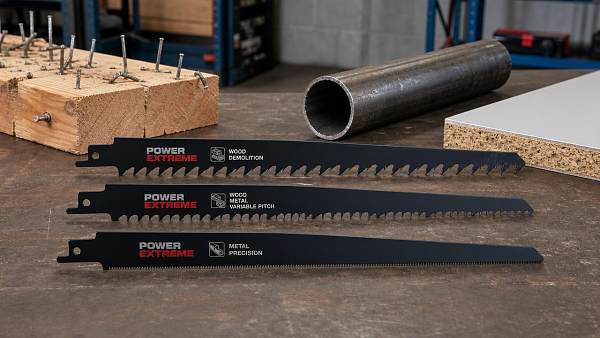
 Hand & Power ToolsReciprocating Saw Blades: Faster Demolition Starts With the Right Tooth DesignReciprocating saw blades work best when tooth design matches the job. Learn how to cut wood, metal, and mixed materials faster with better control, longer blade life, and fewer interruptions.Tooling & Hardware LeadMay 07, 2026
![]() Building HardwareStainless Steel Handrail Brackets for Coastal Projects: What to CheckStainless steel handrail brackets for coastal projects: learn what to check on grade, finish, fixings, and corrosion risk to avoid failures, ensure compliance, and choose with confidence.Tooling & Hardware LeadMay 07, 2026
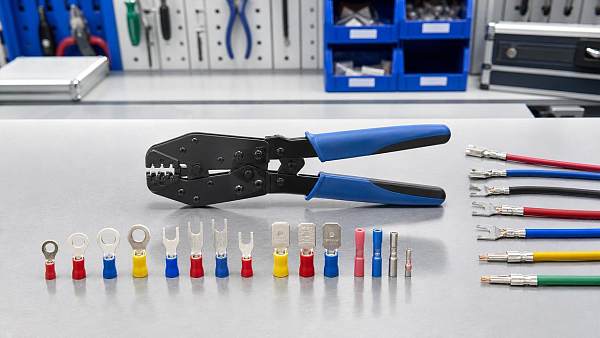
Building HardwareStainless Steel Handrail Brackets for Coastal Projects: What to CheckStainless steel handrail brackets for coastal projects: learn what to check on grade, finish, fixings, and corrosion risk to avoid failures, ensure compliance, and choose with confidence.Tooling & Hardware LeadMay 07, 2026 Hand & Power ToolsCrimping Tools Wholesale: How to Avoid Fit Issues Across TerminalsCrimping tools wholesale buyers: learn how to avoid terminal fit issues, compare key specs, and choose reliable suppliers to reduce rework, prevent failures, and improve repair consistency.Tooling & Hardware LeadMay 07, 2026
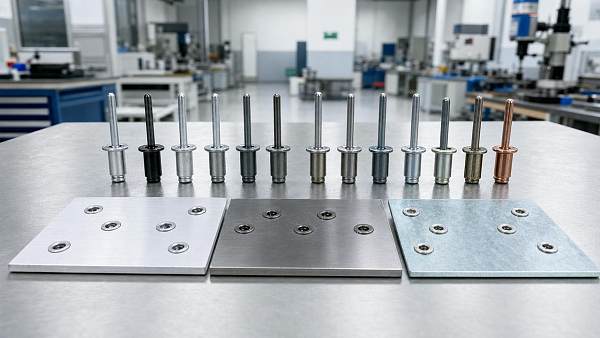
 Industrial FastenersBlind Rivets Wholesale: Material Matching Mistakes to AvoidBlind rivets wholesale buyers: avoid costly material matching mistakes. Learn how aluminum, steel, and stainless choices affect strength, corrosion, and long-term reliability.Tooling & Hardware LeadMay 07, 2026