Industry News
Curation by industry experts
Hot Articles
Popular Tags
B2B Hardware Market Trends in 2026: Pricing, Supply, and Channel Shifts
In 2026, the B2B hardware market sits at the center of a broader supply chain reset. Prices remain unstable, lead times are less predictable, and channel structures are shifting across regions.
That matters because B2B hardware supports everything from industrial assembly and construction systems to commercial interiors, packaging equipment, and export manufacturing.
When costs move suddenly or supplier networks fragment, the effect is rarely limited to one category. It reaches margins, contract performance, inventory strategy, and long-term sourcing resilience.
For companies tracking global trade conditions, this is no longer a narrow procurement issue. It is a planning issue that connects finance, operations, compliance, and market access.
Why the 2026 B2B hardware market deserves close attention
B2B hardware includes fasteners, fittings, hinges, brackets, locks, industrial connectors, mounting systems, and other precision components used in commercial and industrial applications.
These products often look standardized. In practice, their sourcing profile is anything but simple. Material inputs, tolerances, coatings, certifications, and logistics choices all shape final cost.
In 2026, three forces are defining the market. The first is pricing volatility. The second is tighter supply across critical inputs. The third is a visible shift in how buyers reach suppliers.
This combination creates a more selective market. Low unit price alone no longer signals value in B2B hardware, especially when continuity, quality consistency, and compliance exposure are under pressure.
Pricing is becoming more layered, not simply higher
Price movement in B2B hardware is tied to more than headline steel or aluminum costs. Energy pricing, plating chemicals, labor availability, freight rates, and currency swings all feed into quotations.
A supplier may hold a base price steady while changing minimum order quantities, packaging terms, or mold amortization. The visible number stays flat, but the landed cost increases.
This is why category comparisons have become harder. Two offers for similar B2B hardware may differ less on product design than on testing scope, coating lifespan, traceability, and replenishment reliability.
What is pushing prices in 2026
- Higher input sensitivity for stainless steel, zinc alloy, engineered plastics, and specialized finishes.
- Regional labor and environmental compliance costs entering smaller hardware categories.
- More fragmented freight patterns, especially for mixed loads and urgent replenishment.
- Extra quality control steps for export-facing B2B hardware programs.
The practical takeaway is clear. Price benchmarking now needs a broader lens, with landed cost, failure risk, and service flexibility reviewed together rather than separately.
Supply conditions are tighter in specific categories
Not every part of the B2B hardware market faces the same constraints. Standard commodity items remain available in many corridors, but supply gets tighter where customization, certification, or finishing complexity increases.
Products used in outdoor environments, safety applications, or precision assembly often show the most pressure. These segments require more process control and leave less room for rapid supplier substitution.
Another issue is production concentration. Even when hardware sourcing appears diversified at the trading level, upstream stamping, casting, plating, or threading capacity may still be clustered.
That means supply disruption can travel through the market faster than expected. A single bottleneck in finishing or tool maintenance can delay several downstream suppliers at once.
Where supply risk often appears first
In other words, supply is not just about whether stock exists. It is about whether the exact specification can be delivered, documented, and repeated without hidden commercial risk.
Channel shifts are changing how B2B hardware is sourced
One of the biggest market shifts is the move away from single-route sourcing. The old model depended heavily on direct factory relationships or broad trading networks with limited transparency.
That model still exists, but it is being supplemented by data-led sourcing platforms, regional distribution hybrids, and intelligence aggregators that improve visibility before negotiation begins.
For B2B hardware, this matters because supplier discovery is no longer enough. Decision quality now depends on comparing capability depth, process maturity, export readiness, and risk signals across markets.
This is where a research-driven platform such as Global Supply Review becomes relevant. In complex manufacturing categories, better sourcing decisions often start with better market interpretation.
GSR’s focus on hardware and fasteners within light manufacturing reflects this need. Market intelligence, supplier positioning, and trade context help narrow choices before cost discussions distort the picture.
How channel models are evolving
- Direct sourcing remains useful for stable, high-volume B2B hardware programs.
- Regional distributors gain value where shorter lead times matter more than lowest ex-factory cost.
- Strategic sourcing hubs help compare suppliers through capability and compliance filters.
- Hybrid models reduce overdependence on a single country or single sales channel.
What stronger sourcing looks like in practice
A resilient B2B hardware strategy in 2026 is less about chasing the cheapest source and more about structuring optionality without losing specification control.
That usually starts with category segmentation. Commodity items, engineered parts, and safety-linked components should not be evaluated under the same rule set.
It also requires better supplier mapping. A trading company, contract manufacturer, and vertically integrated plant may all quote the same item, yet present very different risk profiles.
Useful evaluation points for B2B hardware
- Material traceability and coating consistency across repeat orders.
- Process ownership for stamping, machining, threading, plating, and final inspection.
- Export documentation readiness, including testing and certification support.
- Flexibility on batch size, forecasting, and emergency replenishment.
- Financial and geographic concentration risk within the supply chain.
These checks create a clearer total-risk view. They also make price conversations more realistic, because cost can be tied to actual service and performance commitments.
Cross-industry demand is shaping hardware decisions
B2B hardware does not move in isolation. Demand from furniture, commercial lighting, display systems, packaging machinery, and industrial renovation projects all influence availability and lead-time pressure.
This cross-industry connection is especially important in light manufacturing. A fastening component specified for one sector may compete for the same upstream capacity used by another.
That is why broader market intelligence matters. Platforms that track adjacent manufacturing sectors can reveal early pressure signals before they appear in a supplier quotation.
GSR’s multi-sector perspective is useful here. Hardware sourcing decisions become stronger when viewed alongside developments in packaging, lighting, furniture, and other connected categories.
What to watch next
The next phase of the B2B hardware market will likely be defined by selective normalization rather than a full return to old sourcing patterns.
Some commodity lines may stabilize. Customized and compliance-sensitive hardware will probably remain more volatile, especially where channel visibility is weak.
The most useful next step is to review hardware categories by risk, not by spend alone. Then compare supplier options through cost structure, repeatability, channel resilience, and documentation strength.
A better 2026 sourcing position starts with sharper assumptions. In B2B hardware, the companies that read market signals early are usually the ones that protect continuity without overpaying for certainty.
Recommended News
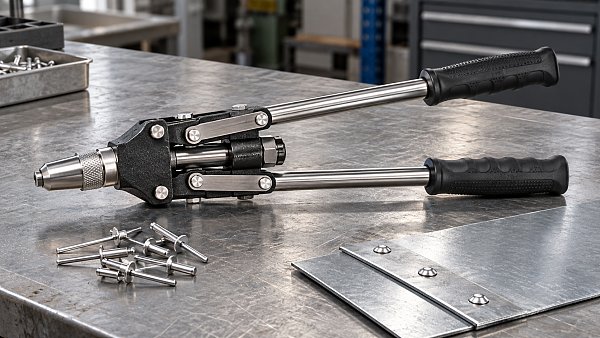
 Hand & Power ToolsDo you need a long handle rivet gun for stainless steel rivets?Need a long handle rivet gun for stainless steel rivets? Discover when extra leverage helps, which tool ratings matter, and how to choose the right riveter for your job.Tooling & Hardware LeadOct 26, 2026
 Textile MachineryItalian Textile Machinery Orders Rise 7% in Q3 2026 as Overseas Demand LeadsItalian textile machinery orders rose 7% in Q3 2026 as overseas demand climbed 8% and domestic orders fell 4%. Explore ACIMIT's figures and what they mean for manufacturers.Textile Industry AnalystOct 25, 2026
 Supply Chain InsightsHow order size affects wholesale heavy-duty swivel caster pricesSourcing swivel heavy duty casters wholesale? Discover how order size, volume discounts, freight, and inventory costs shape pricing so you can negotiate a better deal.Oct 25, 2026
 Commercial LEDSignify Q3 2026 Earnings: €28 Million Tariff Refund Lifts ProfitExplore Signify Q3 2026 earnings: a reported €28 million tariff refund lifts profit as comparable sales fall 3.4%. Discover the implications for lighting costs and demand.Commercial Tech EditorOct 24, 2026