Industry News
Curation by industry experts
Hot Articles
Popular Tags
Custom Furniture for Restaurants: What to Prioritize Before Ordering
Custom Furniture for Restaurants: What to Prioritize Before Ordering
Ordering custom furniture for restaurants is more than a design choice. It shapes durability, guest flow, brand perception, and long-term operating cost.
For buyers, the best custom furniture for restaurants starts with disciplined evaluation. Looks matter, but commercial performance matters more.
A well-priced chair that fails in twelve months is expensive. A table base that disrupts traffic flow also creates hidden cost.
That is why early decisions should focus on use conditions, materials, production controls, and supplier consistency before finishes or styling details.
In practice, successful sourcing teams treat custom furniture for restaurants as an operational asset. The goal is simple: reduce risk and protect value at scale.
Start With Restaurant Use Cases, Not Just Design Drawings
Before requesting quotations, define how each furniture item will be used. A lounge chair, bar stool, banquette, and dining table face different stress patterns.
This sounds basic, but it often gets skipped. When that happens, custom furniture for restaurants gets priced against the wrong performance standard.
Map each product by service format, turnover rate, and cleaning frequency. Fast casual and fine dining usually need very different construction priorities.
- High-turnover dining areas need impact resistance and easy surface maintenance.
- Outdoor seating needs weather stability, UV resistance, and corrosion control.
- Premium spaces may require stronger finish consistency and tighter upholstery tolerances.
Once usage is clear, specifications become sharper. Suppliers can then quote custom furniture for restaurants with fewer assumptions and fewer costly revisions.
Material Performance Should Come Before Aesthetic Preference
Material choice is usually the biggest driver of lifecycle cost. It affects repair frequency, replacement timing, cleaning labor, and guest-facing appearance over time.
For custom furniture for restaurants, ask how materials behave under repeated wiping, spills, dragging, stacking, and changing indoor humidity.
Wood, Metal, Laminate, and Upholstery Questions
Solid wood can support premium positioning, but species, moisture content, and joinery quality matter. Poorly prepared wood may crack, warp, or loosen.
Metal frames need coating systems matched to the environment. Powder coating may work well indoors, while coastal or semi-outdoor settings need extra review.
Laminate can offer strong value where speed and maintenance are priorities. Edge treatment and substrate quality usually decide whether it lasts.
For seating, upholstery should be selected by abrasion resistance, stain behavior, fire compliance, and cleaning compatibility, not by color card alone.
When comparing custom furniture for restaurants, request material data sheets and finish details early. This makes price comparison more honest and more useful.
Prioritize Layout Efficiency and Ergonomics
Furniture that fits the brand but wastes floor area is a weak procurement result. Every centimeter matters in commercial dining environments.
Custom furniture for restaurants should improve seating density without hurting circulation, accessibility, or staff movement between service zones.
Table base placement, chair footprint, and banquette depth all affect capacity. Small design adjustments can unlock meaningful revenue per square meter.
- Check seat height against table apron clearance.
- Review leg and base design for cleaning access.
- Confirm stackability or nesting if storage flexibility is needed.
- Test comfort for realistic dining duration, not just a short showroom sit.
This is where mock-ups help. Even one sample set can reveal issues that CAD drawings rarely show clearly.
Supplier Reliability Matters as Much as Product Design
Many custom furniture projects fail because of weak execution, not weak concepts. Lead times slip, finishes vary, and replacement parts become hard to source.
That is why supplier assessment should go beyond catalog review. For custom furniture for restaurants, operational discipline is part of product quality.
Key Supplier Checks Before Approval
- Production capacity for your order size and rollout schedule.
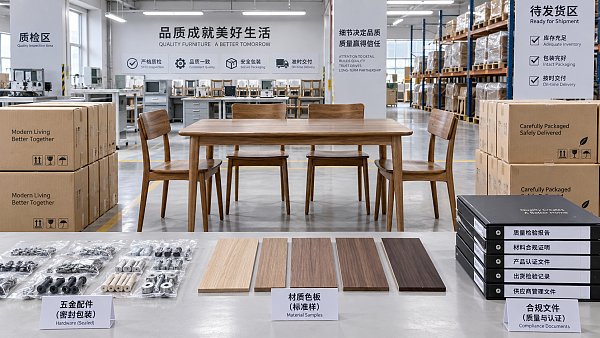
- Quality control checkpoints for dimensions, finish, packaging, and assembly.
- Experience with hospitality or restaurant-grade programs.
- Spare parts policy and after-sales response time.
- Ability to keep color and material consistency across repeat orders.
Ask for recent project references with similar complexity. A factory that makes residential pieces may not handle restaurant durability expectations well.
From a cost perspective, a reliable supplier often beats the lowest bid. Fewer defects and fewer delays usually deliver better total value.
Compliance, Safety, and Testing Cannot Be Secondary
Restaurant furniture operates in public, high-contact spaces. Safety and compliance should be verified before purchase orders are released.
Depending on market and application, custom furniture for restaurants may need fire performance documents, chemical compliance records, or structural test reports.
Do not assume one certificate covers every item. Upholstered seating, outdoor products, and fixed banquettes can fall under different requirements.
Also review edge treatment, stability, and load-bearing claims. Guest safety incidents create legal risk and immediate reputational damage.
A practical sourcing checklist should include test scope, document validity date, and the exact product version being certified.
Watch the Real Cost Drivers in Custom Furniture for Restaurants
Unit price is only one part of the decision. Procurement performance improves when cost is viewed across the full operating cycle.
Custom furniture for restaurants often becomes expensive through design complexity, low-yield materials, inefficient packing, and hard-to-maintain surfaces.
Common Cost Levers to Review
- Custom dimensions that reduce material efficiency.
- Complex curves or mixed materials that slow production.
- Imported specialty fabrics with long replenishment times.
- Knock-down versus assembled shipping impact.
- Packaging strength needed for international transport.
A lower-cost design alternative may preserve the intended look while improving manufacturability. This is where value engineering becomes useful.
In actual projects, the best custom furniture for restaurants often comes from small spec adjustments rather than dramatic redesign.
Plan for Scale, Reorders, and Brand Consistency
One-location sourcing is different from a multi-site rollout. If expansion is possible, standardization should be discussed at the first order stage.
Custom furniture for restaurants should be documented with drawings, finish codes, approved samples, and tolerance ranges for future replication.
Without that control, reorders can drift in color, size, and seat comfort. The result is a fragmented guest experience across locations.
It is also worth checking whether key materials will remain available for twelve to twenty-four months. Some fashionable finishes disappear quickly.
Scalable sourcing works best when suppliers can hold reference samples and maintain a repeatable bill of materials.
Questions to Settle Before You Place the Order
Before approving custom furniture for restaurants, close the gaps that usually create disputes later. A short pre-order review can save months of friction.
- Has the furniture been tested in the actual service environment?
- Are all materials, finishes, and colors confirmed against physical samples?
- Do specifications cover dimensions, tolerances, and hardware details?
- Are compliance documents current and product-specific?
- Is the production timeline realistic, including inspection and shipping?
- What is the replacement process if defects appear after installation?
These questions keep the purchase decision grounded. They also help compare suppliers on substance, not presentation.
Final Takeaway
The strongest custom furniture for restaurants combines design fit with operational reliability. That balance is what protects both cost and brand value.
Focus first on use case, materials, layout efficiency, supplier capability, compliance, and reorder control. Those priorities lead to better commercial outcomes.
When the specification process is disciplined, custom furniture for restaurants becomes easier to source, easier to maintain, and more predictable to scale.
Before placing the order, align every detail with real operating conditions. That is where better procurement decisions usually begin.
Recommended News
 Office FurnitureHow supplier scorecards reduce risk in furniture procurementFurniture procurement supplier management becomes more resilient with supplier scorecards that track quality, delivery, compliance, and corrective actions. Learn how to reduce sourcing risk.Interior Sourcing LeadSep 26, 2026
 Office Paper & Printing PaperHow roll diameter affects downtime when using jumbo paper rollsJumbo paper rolls can cut changeovers and downtime—if your unwinder, handling, and tension control can support them. Find the optimal roll diameter for smoother output.Packaging Supply ExpertSep 25, 2026
 Office Paper & Printing PaperWhen does carbonless paper for invoices reduce billing errors?Carbonless paper for invoices reduces billing errors by creating clear, consistent copies for deliveries, service calls, and approvals. Learn when it strengthens billing control.Packaging Supply ExpertSep 24, 2026
 Home DecorHow to compare floating wall shelves suppliers for consistent load capacityFloating wall shelves supplier comparison guide: evaluate load capacity, brackets, wall fixings, testing, and production consistency before you buy.Interior Sourcing LeadSep 23, 2026