Industry News
Curation by industry experts
Hot Articles
Popular Tags
How to Compare Office Furniture Storage Solutions for Small Teams
How to Compare Office Furniture Storage Solutions for Small Teams
Choosing the right office furniture storage solutions can directly impact productivity, space efficiency, and team collaboration.
For small teams, the issue is rarely storage volume alone.
The real challenge is selecting systems that fit daily workflows, limited floor space, changing headcount, and budget discipline.
A rushed purchase often leads to cluttered desks, wasted corners, underused cabinets, and replacement costs that appear much earlier than expected.
That is why comparing office furniture storage solutions should be treated as an operational decision, not a simple furniture buy.
This guide breaks down what to compare, where common mistakes happen, and how to choose office furniture storage solutions that hold value over time.
Start With How the Team Actually Works
Before comparing products, map the team’s daily behavior.
Small teams usually share equipment, switch tasks quickly, and use space more intensely than larger departments.
That changes the way office furniture storage solutions should be evaluated.
Ask a few direct questions first:
- What items are accessed every hour, every day, or only occasionally?
- How much storage must stay personal, and how much can be shared?
- Does the team store paper files, samples, tools, devices, or promotional materials?
- Will hybrid work reduce fixed storage demand?
- Will headcount likely grow within the next 12 to 24 months?
These answers shape the shortlist faster than browsing catalogs.
In practical terms, the best office furniture storage solutions are the ones that support movement, visibility, and access without making the room feel crowded.
Compare the Main Storage Types
Most office furniture storage solutions for small teams fall into a few core categories.
Each has a different role, so comparison should focus on fit, not only price.
Pedestals and Mobile Drawers
These work well for personal items, documents, and small devices.
They are useful when desks are assigned and floor space is tight.
Mobile units also support layout changes with minimal disruption.
Lateral and Vertical Filing Cabinets
These office furniture storage solutions still matter when compliance or client records require physical filing.
Lateral cabinets offer easier access and better top-surface use.
Vertical cabinets save width but can slow retrieval in shared zones.
Credenzas and Sideboards
These are often chosen for executive areas or multi-use collaboration spaces.
They blend closed storage with a cleaner visual profile.
For client-facing offices, they can improve appearance without sacrificing function.
Open Shelving and Bookcases
Open shelving helps teams access shared materials quickly.
It is ideal for samples, binders, and active-use supplies.
The tradeoff is visual clutter, which can make a small office feel busier than it is.
Lockers and Personal Storage Towers
For hybrid schedules and shared desks, these office furniture storage solutions are increasingly practical.
They separate personal belongings from workstation ownership, which improves flexibility during growth or schedule changes.
Key Features That Matter More Than You Think
When comparing office furniture storage solutions, feature details often decide long-term satisfaction.
Focus on these points during evaluation:
- Footprint efficiency: Measure usable capacity against actual floor area.
- Access design: Drawers, sliding doors, and swing doors perform differently in narrow aisles.
- Load capacity: Paper, hardware samples, and devices create very different weight demands.
- Security: Locks may be required for documents, contracts, or staff belongings.
- Mobility: Casters help with reconfiguration, but only if stability remains strong.
- Cable management: Important where storage also supports charging or shared equipment.
- Material durability: Laminates, steel, and engineered wood wear differently under daily use.
- Acoustic effect: Large hard surfaces can increase noise in compact rooms.
A product can look efficient on paper yet fail in real use.
That usually happens when dimensions are compared, but access patterns are ignored.
Use a Practical Comparison Table
A side-by-side matrix makes office furniture storage solutions easier to judge objectively.
This approach keeps procurement conversations focused on operational fit instead of personal preference.
Look Beyond Purchase Price
Cost comparison should include more than the quote.
Office furniture storage solutions create hidden costs when they block circulation, reduce flexibility, or wear out too quickly.
Review the full cost picture:
- Installation and delivery complexity.
- Expected maintenance and replacement cycle.
- Reconfiguration cost during office changes.
- Potential need for future matching units.
- Impact on usable workstation count.
A slightly higher upfront spend can be the better decision.
That is especially true when office furniture storage solutions support growth without forcing a full layout reset.
Evaluate Space, Aesthetics, and Brand Signal Together
Storage affects how the office feels as much as how it functions.
For small teams, visual order can influence concentration, visitor perception, and even confidence in internal processes.
This is where office furniture storage solutions should align with the broader workspace identity.
Open units create accessibility and energy, but they demand discipline.
Closed cabinets look calmer and cleaner, but may slow access for shared materials.
A blended approach is often strongest: visible storage for active items, concealed storage for everything else.
Common Mistakes When Comparing Office Furniture Storage Solutions
Several mistakes show up repeatedly in small office planning:
- Buying for maximum capacity instead of typical usage.
- Ignoring aisle clearance and drawer opening depth.
- Choosing identical storage for different team roles.
- Overlooking lock requirements for sensitive materials.
- Selecting finishes that show wear too quickly.
- Forgetting expansion plans and future matching availability.
From recent workplace shifts, flexibility has become a clearer signal than raw volume.
That also means modular office furniture storage solutions now carry more strategic value than fixed, oversized units.
A Simple Decision Framework
To narrow options, score each shortlisted product against five criteria.
- Workflow fit.
- Space efficiency.
- Durability and warranty support.
- Flexibility for team changes.
- Total cost over three to five years.
Use a simple 1 to 5 scale for each area.
The highest-scoring office furniture storage solutions usually reveal themselves quickly.
This method also makes internal approval easier, because the decision can be traced to business needs.
In sourcing environments, that kind of clarity matters.
It reduces subjective debate and helps justify why one storage system deserves investment over another.
When office furniture storage solutions are compared through workflow, durability, flexibility, and total value, the final choice becomes far more reliable and far more useful in day-to-day operations.
Recommended News
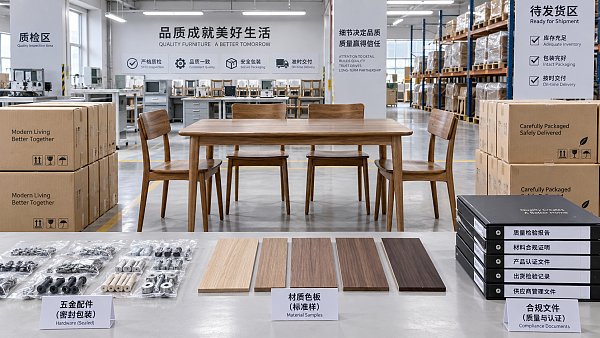
 Office FurnitureHow supplier scorecards reduce risk in furniture procurementFurniture procurement supplier management becomes more resilient with supplier scorecards that track quality, delivery, compliance, and corrective actions. Learn how to reduce sourcing risk.Interior Sourcing LeadSep 26, 2026
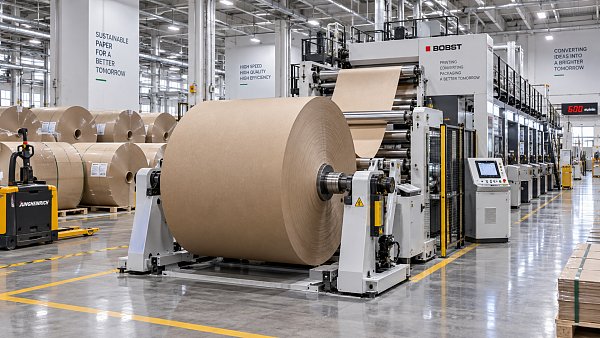
 Office Paper & Printing PaperHow roll diameter affects downtime when using jumbo paper rollsJumbo paper rolls can cut changeovers and downtime—if your unwinder, handling, and tension control can support them. Find the optimal roll diameter for smoother output.Packaging Supply ExpertSep 25, 2026
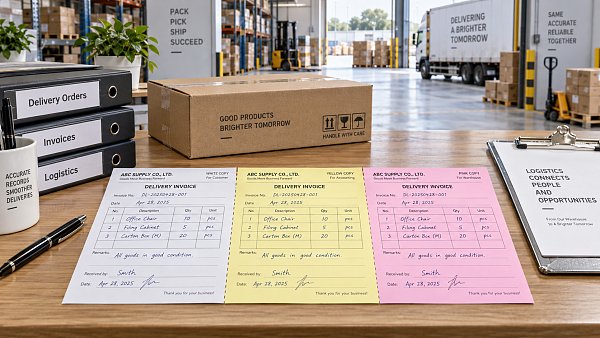
 Office Paper & Printing PaperWhen does carbonless paper for invoices reduce billing errors?Carbonless paper for invoices reduces billing errors by creating clear, consistent copies for deliveries, service calls, and approvals. Learn when it strengthens billing control.Packaging Supply ExpertSep 24, 2026
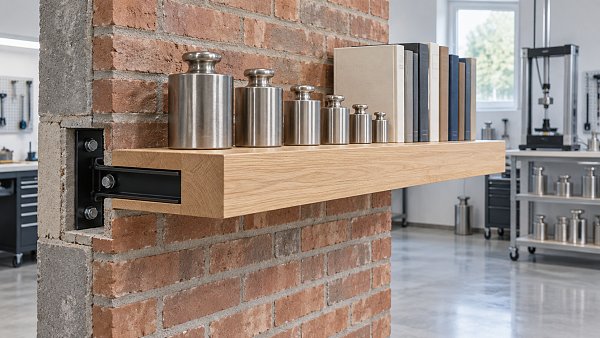
 Home DecorHow to compare floating wall shelves suppliers for consistent load capacityFloating wall shelves supplier comparison guide: evaluate load capacity, brackets, wall fixings, testing, and production consistency before you buy.Interior Sourcing LeadSep 23, 2026