Industry News
Curation by industry experts
Hot Articles
Popular Tags
Decor Sourcing for Hotels: How to Balance Style, Lead Time, and Budget
Why Decor Sourcing for Hotels Starts With Project Reality
Decor sourcing for hotels sits between design intent and operational delivery. It affects brand perception, installation timing, room turnover, and long-term upkeep.
A lobby sculpture, corridor lighting trim, guestroom mirrors, and outdoor accents may all support one visual story. Yet they rarely follow the same sourcing logic.
That is why decor sourcing for hotels cannot be reduced to style boards or unit pricing. The stronger approach links aesthetic goals with supply chain conditions.
In real projects, delays often come from overlooked details. Finish approval takes longer than expected. Freight windows shift. Packaging fails. Site dimensions change after mock-up.
Seen through a broader sourcing lens, hotel decor touches several light manufacturing categories at once. Furniture and decor, lighting components, hardware details, textiles, and protective packaging all interact.
This cross-category view matters because hotel programs rarely fail for one isolated reason. They fail when timing, compatibility, and replacement strategy were never aligned.
Different Hotel Spaces Create Different Sourcing Priorities
The same decor package performs differently across hotel zones. Public spaces absorb traffic, guestrooms face repetition pressure, and specialty areas usually carry tighter visual expectations.
In lobby and reception areas, decor sourcing for hotels usually favors statement impact, faster sample review, and durable finishes that resist early visible wear.
Guestrooms push the opposite pressure. Visual consistency matters more than novelty, because one mismatch repeated across hundreds of rooms becomes expensive and impossible to ignore.
Restaurants, spas, and executive lounges create another condition. These areas often blend decorative identity with mood lighting, acoustic materials, and frequent cleaning exposure.
Outdoor terraces and poolside zones add weather, corrosion, UV stability, and maintenance access into the decision. A finish that works indoors may fail quickly outside.
The practical lesson is simple. Decor sourcing for hotels should begin with space-by-space use conditions, not a single global specification.
Where the judgment points usually shift
When Style Drives the Brief, Lead Time Usually Drives the Outcome
Many hotel teams begin with visual reference. That is understandable. Decor defines mood, differentiation, and perceived room value long before guests notice construction quality.
Still, decor sourcing for hotels becomes unstable when every signature item is custom. Bespoke metalwork, hand-finished mirrors, artisan ceramics, and layered textile elements stretch approval cycles.
A more reliable method separates hero pieces from repeatable pieces. Keep a limited group of visual anchors custom, then standardize everything that supports them.
This balance protects both schedule and design coherence. It also simplifies replacement planning after opening, when an exact match matters more than initial novelty.
Projects with compressed fit-out periods often benefit from material families already proven in hospitality. That does not mean generic results. It means choosing finishes with known production behavior.
In this stage, decor sourcing for hotels works best when finish boards, tolerances, packaging requirements, and mock-up signoff are defined before mass production starts.
A practical way to divide the decor package
- Custom focal items: artwork framing, feature lighting trims, statement screens, or lobby accessories that shape first impression.
- Semi-custom repeat items: mirrors, bedside panels, decorative hardware, and accent tables adjusted from existing production lines.
- Standardized support items: corridor accessories, utility-facing decor, backup inventory, and easy-replacement pieces for operational continuity.
Budget Control Is More Than Comparing Unit Prices
Decor sourcing for hotels often looks affordable at quotation stage and expensive at installation stage. The gap usually comes from freight, breakage, storage, touch-up labor, and last-minute substitutions.
This is especially true in cross-border programs. Decorative items may be light in weight but fragile in handling, which changes packaging design and shipping economics.
Another hidden cost sits in coordination. If decor, hardware, and lighting details are sourced separately without dimensional control, site teams spend more time adjusting than installing.
A stronger budget model for decor sourcing for hotels includes landed cost, replacement stock, inspection frequency, and post-install repair exposure.
It also helps to map value by visibility. Spending more on one public-facing statement piece may create more impact than upgrading dozens of low-visibility accessories.
This is where intelligence-led sourcing becomes useful. Market insight across materials, packaging performance, and regional manufacturing strengths improves cost decisions before they become site problems.
Cost questions worth answering early
- Will the decor item require export-safe packaging beyond standard carton protection?
- Can damaged items be replaced by partial shipment, or only by rerunning a full batch?
- Does the finish require on-site assembly, sealing, or specialist installation tools?
- Will future replenishment match the original dye lot, plating tone, or veneer grain?
Lead Time Problems Usually Begin Before Production
Late delivery is often blamed on factories. In practice, decor sourcing for hotels more often slows down during specification drift, sample revision, and approval loops.
A mirror frame may be approved visually but fail wall-cleat coordination. A decorative lamp base may pass design review but conflict with electrical certification timing.
These issues matter because decor packages cross several compliance and production streams. Textiles need performance validation. Lighting-adjacent items may need electrical review. Metal hardware may require corrosion testing.
For that reason, decor sourcing for hotels benefits from milestone planning that treats samples, engineering details, packaging tests, and shipment release as separate gates.
A compressed opening schedule often justifies dual-track sourcing. One track secures long-lead signature items. The other protects standard room packages with lower design risk.
That approach reduces the chance that one delayed feature item will block room readiness across the property.
What Gets Misjudged in Hotel Decor Programs
One common mistake is treating similar hotel types as identical. A boutique property may accept artisanal variation that a branded business hotel cannot tolerate at scale.
Another is evaluating only purchase cost. Decor sourcing for hotels should also examine cleaning chemicals, guest contact frequency, spare inventory, and maintenance labor.
There is also a frequent blind spot around packaging. Decorative glass, resin, ceramics, and mixed-material pieces may arrive compliant on paper and damaged in reality.
Finish matching is another risk. Approved samples can look consistent in showroom light but diverge across production runs or under warm hospitality lighting conditions.
Finally, many teams underestimate replenishment. After opening, decor sourcing for hotels becomes an operational issue. Without archived specifications, matching replacements becomes slow and costly.
A More Reliable Sourcing Approach Before Final Commitment
Before final placement, define the decor package by exposure level, replacement difficulty, and schedule sensitivity. This creates a clearer sourcing sequence.
Then verify materials against actual service conditions. Moisture, UV exposure, cleaning agents, guest handling, and installation access change what looks viable on paper.
It also helps to align decor decisions with adjacent categories. Hardware tolerances, textile performance, packaging protection, and lighting integration should be reviewed together.
This broader method reflects how informed sourcing platforms evaluate hospitality supply risk. The strongest decisions come from linking design ambition with manufacturing realities across categories.
For decor sourcing for hotels, the next practical step is to build a comparison sheet around style importance, lead-time risk, landed cost, and replacement exposure.
From there, review which items need custom development, which can adapt existing lines, and which should stay standardized for speed. That is usually where budget, timing, and design begin to align.
Recommended News
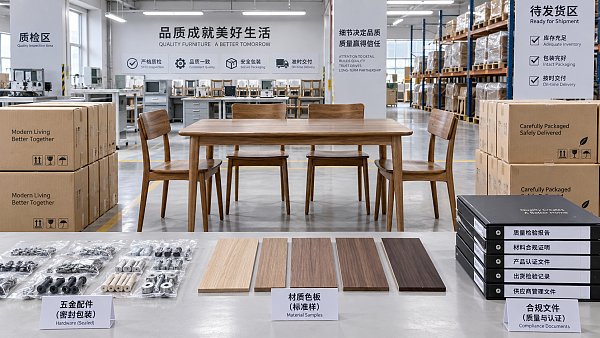
 Office FurnitureHow supplier scorecards reduce risk in furniture procurementFurniture procurement supplier management becomes more resilient with supplier scorecards that track quality, delivery, compliance, and corrective actions. Learn how to reduce sourcing risk.Interior Sourcing LeadSep 26, 2026
 Office Paper & Printing PaperHow roll diameter affects downtime when using jumbo paper rollsJumbo paper rolls can cut changeovers and downtime—if your unwinder, handling, and tension control can support them. Find the optimal roll diameter for smoother output.Packaging Supply ExpertSep 25, 2026
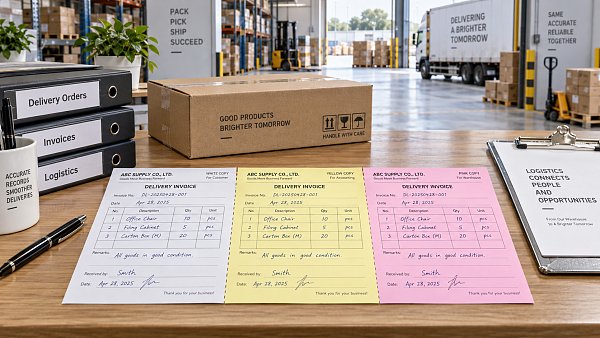
 Office Paper & Printing PaperWhen does carbonless paper for invoices reduce billing errors?Carbonless paper for invoices reduces billing errors by creating clear, consistent copies for deliveries, service calls, and approvals. Learn when it strengthens billing control.Packaging Supply ExpertSep 24, 2026
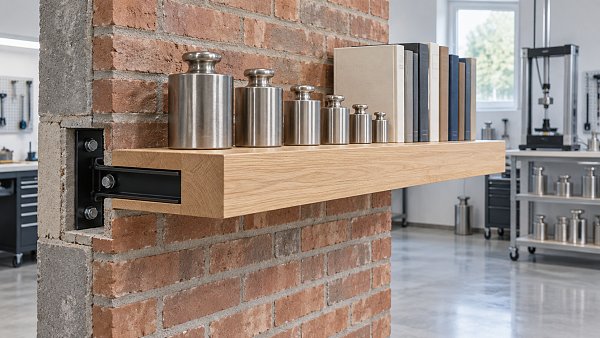
 Home DecorHow to compare floating wall shelves suppliers for consistent load capacityFloating wall shelves supplier comparison guide: evaluate load capacity, brackets, wall fixings, testing, and production consistency before you buy.Interior Sourcing LeadSep 23, 2026