Industry News
Curation by industry experts
Hot Articles
Popular Tags
Blind Rivets for Roofing: When They Outperform Screws in Metal Panels
Metal roofing projects often succeed or fail on small decisions that shape long-term performance. Fastener selection is one of them. In many panel systems, blind rivets for roofing deserve closer attention because they can reduce vibration-related loosening, improve finish quality, and simplify installation where backside access is impossible. For teams balancing labor speed, weather exposure, and service life, understanding when rivets outperform screws is a practical way to lower risk rather than a minor hardware preference.
Why fastening strategy matters in metal panel work
Roof assemblies are exposed to thermal cycling, uplift pressure, moisture, movement, and repeated maintenance traffic. A fastener must hold through all of that without creating avoidable leak paths or cosmetic defects.
Screws remain the default choice in many installations for good reasons. They are familiar, widely available, and effective in structural connections. But panel attachments are not all the same.
In trim, flashing, lap joints, thin-gauge sheets, and concealed areas, the performance demands shift. That is where blind rivets for roofing often move from an alternative to a better fit.
From a broader supply-chain perspective, hardware decisions also affect procurement consistency. GSR often tracks how small component choices influence labor productivity, warranty exposure, and replacement cycles across light manufacturing and construction-linked sourcing.
What blind rivets for roofing actually do
A blind rivet is installed from one side of the material. The mandrel pulls the rivet body, expanding it behind the panel and locking the fastener in place.
That one-sided installation matters on roof details where the back of the joint cannot be reached safely or economically. It also helps on assembled profiles with narrow cavities.
Blind rivets for roofing are commonly used in metal-to-metal attachments, ridge caps, gutters, edge trims, side laps, and accessories. Sealed versions add resistance against water intrusion.
The key point is simple. Rivets do not replace every screw in a roof system. They outperform screws in specific connection types where clamp consistency, clean appearance, and access limitations matter more than removability.
Where rivets tend to outperform screws
Thin panels and light-gauge components
Screws can strip thin material if torque is not controlled precisely. That risk rises on fast-paced jobs or when crews encounter varying sheet thicknesses.
Blind rivets for roofing create a more repeatable set without thread engagement in the sheet. In practice, that often means fewer crushed panels and fewer weak connections.
High-vibration or movement-prone areas
Roof edges, canopies, equipment screens, and industrial roofs may experience repeated vibration or movement. Threaded fasteners can gradually loosen if sealing washers age or torque degrades.
Rivets are not vibration-proof, but they are less prone to backing out. That characteristic can reduce nuisance failures in non-structural panel attachments.
Visible finish work
Color-matched blind rivets for roofing usually deliver a neater visual result on trims and flashings. Their low-profile heads can look more uniform than exposed screws placed at inconsistent angles.
That matters on commercial facades, branded facilities, and projects where roof-edge appearance is reviewed closely after handover.
Restricted access locations
When one side of the joint is enclosed, working with screws can become awkward or impossible. Blind rivets for roofing solve that installation problem directly, often with less rework.
A practical comparison for project planning
The decision is usually not rivets versus screws across the whole roof. It is about matching each fastener to the connection’s job, exposure, and maintenance expectations.
This comparison explains why mixed-fastener specifications are common. The best roof packages often use screws for primary structural holding and blind rivets for roofing details that benefit from cleaner, more stable attachment.
Current concerns shaping fastener choice
Today, the conversation is no longer just about unit price. Buyers and site teams are watching lifecycle cost, installation consistency, weather resistance, and sourcing reliability more closely.
This is especially relevant in global procurement. A low-cost fastener loses its advantage quickly if it causes callbacks, mixed batch quality, or corrosion issues in aggressive climates.
GSR’s market view across hardware and fasteners shows a clear pattern. Selection standards are becoming tighter, and buyers increasingly ask for traceable material data, coating performance, and application-specific testing.
Blind rivets for roofing fit this trend because they can be specified with clearer performance intent. Head style, grip range, alloy compatibility, and sealed construction all support more disciplined decision-making.
Details that determine whether rivets really work better
Not every rivet performs well in every roof. The gain comes from choosing the right combination of material, size, and sealing method for the panel assembly.
Material compatibility
Galvanic corrosion remains a serious issue in metal roofing. Aluminum, stainless steel, and coated steel rivets should be matched carefully to panel material and local exposure conditions.
Grip range
A rivet that is too short will not form properly. One that is too long may clamp poorly or deform the joint. Grip range should reflect actual build-up thickness, not nominal sheet data alone.
Water sealing
For exposed joints, sealed blind rivets for roofing are often the better choice. They help reduce water entry through the fastener body, especially on details with wind-driven rain.
Installation tooling
Consistency depends on the setting tool as much as the rivet. Poor tool calibration creates incomplete mandrel break, off-angle placement, and inconsistent clamping force.
Situations where screws still make more sense
A balanced specification also recognizes where screws remain the better option. Structural attachments, removable panels, and serviceable assemblies usually still favor threaded fasteners.
- Connections that require future disassembly for inspection or replacement.
- Primary fixings where engineering calculations are based on screw pull-out or pull-over values.
- Assemblies needing field adjustment after initial placement.
- Projects where crews lack proper riveting tools or application training.
That distinction matters because overextending any fastener category creates avoidable problems. Blind rivets for roofing are strongest when used with clear connection logic, not as a blanket replacement.
How to evaluate the choice before procurement
A useful review starts with the roof details rather than the hardware catalog. Look at joint type, material stack-up, access conditions, climate exposure, expected movement, and maintenance needs.
Then compare fastening options against measurable criteria instead of habit. A practical shortlist usually includes these questions:
- Is the connection structural, cosmetic, sealing-related, or a mix of those roles?
- Will the joint be exposed to vibration, thermal movement, or frequent wind load cycling?
- Can the backside of the joint be reached during installation or service?
- Does the selected rivet material match the panel and surrounding components?
- Are sealed blind rivets for roofing needed to protect against water entry?
- Do supplier documents include test data, dimensional tolerance, and coating information?
That process improves more than technical fit. It also supports cleaner sourcing decisions, which is increasingly important in a market where product claims can vary across regions and manufacturers.
A smarter next step for roof fastening decisions
Blind rivets for roofing are most valuable when the goal is stable attachment in thin panels, hard-to-access joints, and finish-sensitive details. In those situations, they can outperform screws in ways that directly affect rework, appearance, and durability.
The next step is not to replace every screw on the drawing. It is to review roof details one connection at a time, identify where rivets offer a real advantage, and confirm those assumptions with material compatibility and installation data.
For teams using global sourcing channels, that review should also include supplier traceability, batch consistency, and application testing. Better fastening decisions usually come from sharper specifications, not broader product lists.
Recommended News
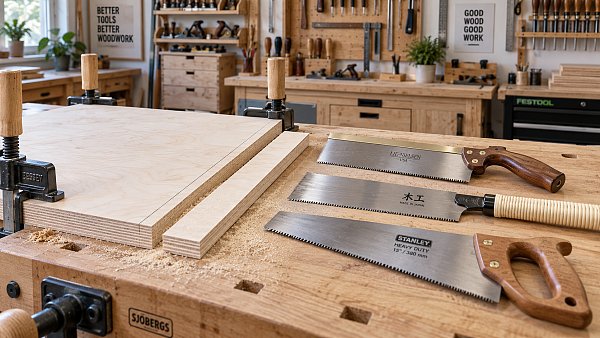
 Hand & Power ToolsHow to choose a hand saw for woodworking without tear-outHand saw for woodworking guide: choose the right tooth pattern, blade, and technique to achieve clean, precise cuts with less tear-out. Explore practical buying tips.Tooling & Hardware LeadOct 04, 2026
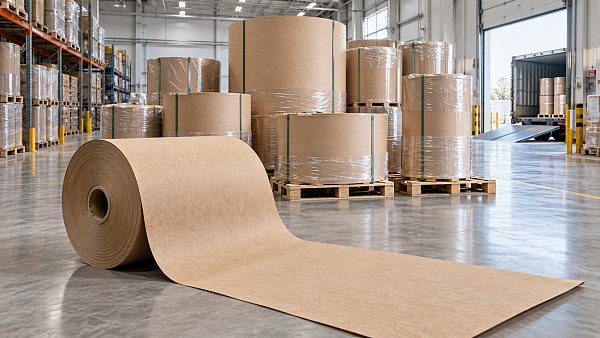
 Eco PackagingWhat affects the price of kraft paper rolls bought wholesale?Kraft paper rolls wholesale pricing depends on grade, basis weight, roll size, order volume, freight, and certifications. Learn how to compare landed costs and choose reliable value.Packaging Supply ExpertOct 03, 2026
 Commercial LEDHow to evaluate a canopy lights factory before placing a bulk orderCanopy lights factory evaluation guide: verify specifications, compliance, quality control, capacity, and after-sales support before placing a bulk order.Commercial Tech EditorOct 02, 2026
 Commercial LEDHow to choose lighting systems that meet workplace safety needsLighting systems for workplace safety: learn how to control glare, improve visibility, meet environmental demands, and protect workers with reliable, compliant lighting choices.Commercial Tech EditorOct 01, 2026