Industry News
Curation by industry experts
Hot Articles
Popular Tags
How to Compare Wholesale Outdoor LED Billboard Specs
Comparing wholesale outdoor led billboard specs is no longer a simple exercise in checking price sheets.
Across global sourcing markets, technical benchmarks now shape lifetime value, maintenance risk, and deployment fit.
A well-matched display can improve uptime, visual impact, and operating efficiency.
A poorly matched option can raise energy costs, service interruptions, and replacement frequency.
That is why wholesale outdoor led billboard evaluation increasingly centers on performance evidence, not marketing claims.
Specification comparison is shifting from price-first to value-first
The outdoor display market has changed with higher expectations for brightness, weather protection, and digital content quality.
Buyers now compare how each wholesale outdoor led billboard performs under local climate, viewing distance, and runtime demands.
This change reflects broader pressure on asset reliability across retail, transport, real estate, and urban media environments.
In many projects, the display must operate continuously, remain visible under sunlight, and support remote content control.
As a result, spec comparison has become a risk management task as much as a purchasing task.
Several market signals are reshaping how wholesale outdoor LED billboard specs are reviewed
The strongest trend is a move toward measurable field performance.
Datasheets matter, but buyers increasingly ask how a wholesale outdoor led billboard behaves after installation, not before shipment.
Another signal is the growing importance of operating cost visibility.
Energy draw, thermal control, and service access now influence shortlist decisions.
A third signal is standardization pressure.
Projects spanning multiple regions often favor suppliers offering consistent cabinet quality, module interchangeability, and traceable component sourcing.
Why these signals are getting stronger
The most important specs in a wholesale outdoor LED billboard comparison
Not every specification carries equal weight.
The right comparison starts by linking each metric to real outdoor performance.
Pixel pitch determines viewing suitability
Pixel pitch affects resolution and optimal viewing distance.
A smaller pitch delivers sharper images but usually raises cost.
For a wholesale outdoor led billboard, pitch should match road speed, audience distance, and content detail.
Brightness must reflect actual daylight conditions
Brightness is commonly measured in nits.
Highway and open-sun locations often require stronger brightness than shaded commercial zones.
However, excessive brightness can waste power and reduce efficiency if the environment does not need it.
IP rating reveals environmental resilience
Outdoor use demands protection against dust, rain, and humidity.
A wholesale outdoor led billboard with a suitable IP rating reduces failure risk in exposed conditions.
Front and rear protection ratings should both be checked.
Refresh rate affects image smoothness
Refresh rate matters for video playback, camera capture, and premium advertising content.
A higher refresh rate helps reduce flicker and improves visual stability.
Cabinet structure influences maintenance and lifespan
Cabinet material, sealing, weight, and service access shape installation efficiency.
Front maintenance can be valuable where rear access is limited.
A stronger cabinet also supports alignment accuracy over time.
Spec changes are influencing multiple business stages
The way a wholesale outdoor led billboard is specified affects more than screen performance.
It changes planning, logistics, service strategy, and long-term budget predictability.
- Project design becomes more accurate when brightness and pitch align with site conditions.
- Installation complexity drops when cabinet dimensions and weight are clearly standardized.
- Maintenance planning improves when module access and spare parts compatibility are verified early.
- Operating costs become easier to forecast when power and cooling behavior are documented.
This is why technical comparison increasingly sits at the center of commercial decision quality.
What should receive the closest attention during evaluation
The most useful review method is to separate headline specs from proof-based specs.
Headline specs look attractive on paper.
Proof-based specs show how the wholesale outdoor led billboard will perform after months of exposure.
- Brightness consistency: ask whether brightness remains stable after extended use.
- Component traceability: confirm LED, power supply, and driver sources.
- Heat management: check thermal design for hot climates and long runtime.
- Corrosion resistance: review coatings and structural treatment for coastal or humid areas.
- Serviceability: verify replacement speed for modules, power units, and receiving cards.
- Control compatibility: make sure software and hardware fit local content workflows.
A practical framework helps compare wholesale outdoor LED billboard options fairly
A fair comparison requires a weighted review instead of a single-price ranking.
The next stage of sourcing will reward better technical judgment
Outdoor LED display demand will likely keep moving toward smarter, more durable, and more efficient systems.
That means wholesale outdoor led billboard comparisons will become more technical, not less.
The strongest decisions will come from linking specs to actual conditions, service expectations, and lifecycle economics.
- Define the real viewing environment before requesting quotations.
- Create a scorecard covering pitch, brightness, IP rating, refresh rate, and cabinet design.
- Ask for evidence of field durability, not only factory specifications.
- Compare operating cost assumptions alongside purchase price.
- Review service access and spare parts strategy before final selection.
A disciplined review process makes every wholesale outdoor led billboard comparison more transparent and more strategic.
When the next shortlist is built, start with performance fit, validate durability, and only then weigh price.
That sequence leads to stronger outcomes in a market where specification quality increasingly defines business value.
Recommended News
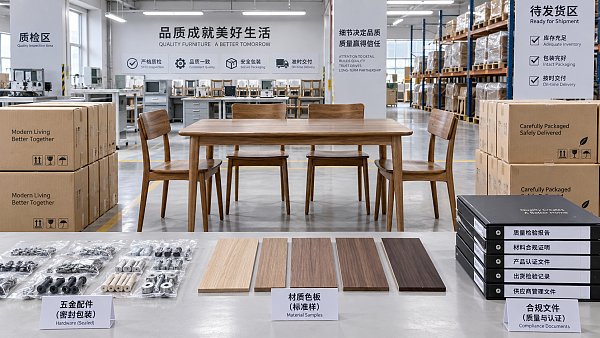
 Office FurnitureHow supplier scorecards reduce risk in furniture procurementFurniture procurement supplier management becomes more resilient with supplier scorecards that track quality, delivery, compliance, and corrective actions. Learn how to reduce sourcing risk.Interior Sourcing LeadSep 26, 2026
 Office Paper & Printing PaperHow roll diameter affects downtime when using jumbo paper rollsJumbo paper rolls can cut changeovers and downtime—if your unwinder, handling, and tension control can support them. Find the optimal roll diameter for smoother output.Packaging Supply ExpertSep 25, 2026
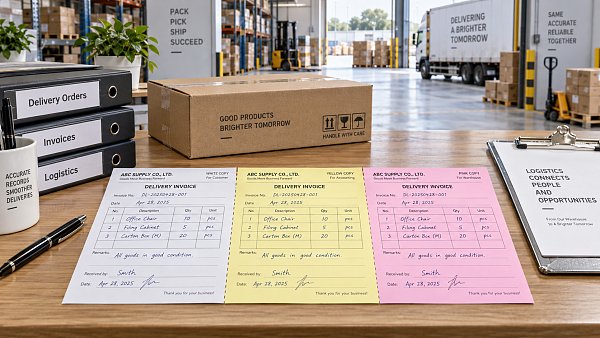
 Office Paper & Printing PaperWhen does carbonless paper for invoices reduce billing errors?Carbonless paper for invoices reduces billing errors by creating clear, consistent copies for deliveries, service calls, and approvals. Learn when it strengthens billing control.Packaging Supply ExpertSep 24, 2026
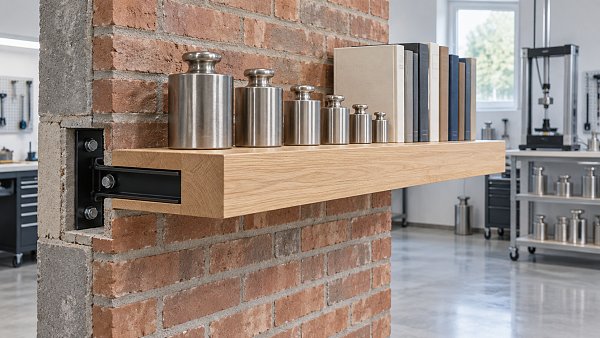
 Home DecorHow to compare floating wall shelves suppliers for consistent load capacityFloating wall shelves supplier comparison guide: evaluate load capacity, brackets, wall fixings, testing, and production consistency before you buy.Interior Sourcing LeadSep 23, 2026