Industry News
Curation by industry experts
Hot Articles
Popular Tags
Indoor Rental LED Display Setup Risks for Events
An indoor rental led display can elevate a conference, product launch, awards show, or corporate event.
Yet a rushed setup can create costly safety, visual, and scheduling risks before the program begins.
The challenge is not only choosing the screen, but controlling structure, power, signal, content, and venue compliance.
This guide answers common setup questions and helps reduce avoidable failures in indoor LED rental projects.
What makes an indoor rental led display setup different from a permanent installation?
A permanent screen is engineered for one location, one structure, and one long-term operating environment.
An indoor rental led display must perform reliably after repeated transport, assembly, disassembly, and reconfiguration.
That flexibility creates advantages for events, but it also increases setup sensitivity.
Rental cabinets need fast locks, accurate alignment, strong handles, and robust connectors.
If these parts are worn, the screen may show gaps, color inconsistency, or unstable modules.
Venue conditions also change from project to project.
Ceiling height, rigging points, floor loading, power access, and backstage space can vary widely.
A successful indoor rental led display plan begins with site verification, not with cabinet count alone.
Pixel pitch, screen size, viewing distance, brightness, and refresh rate should match the program format.
For close-view conferences, fine pixel pitch may be essential.
For stage backgrounds, larger pixel pitch can still deliver strong visual impact.
The key difference is operational pressure.
A rental screen must be safe, precise, and serviceable within a tight build schedule.
Which structural risks matter most before installation starts?
Structural risk is the first issue to check because it affects people, equipment, and event continuity.
An indoor rental led display may be ground-stacked, flown, curved, or integrated with scenic elements.
Each method requires different safety checks.
Ground-stacked screens depend on level flooring, stable bases, ballast, and rear support.
Flown screens depend on certified rigging points, rated hardware, proper load distribution, and documented limits.
A common mistake is treating all LED cabinets as interchangeable blocks.
Cabinet weight, locking system, frame type, and hanging capacity differ between product lines.
Even minor substitutions can change the load calculation.
Before setup, confirm the complete structure, including cabinets, rigging bars, cables, processors, and service access.
- Check venue rules for hanging loads and temporary structures.
- Verify cabinet locking pins, corner protectors, and frame alignment.
- Inspect bases, outriggers, clamps, shackles, and safety cables.
- Keep access space for emergency removal or module replacement.
- Avoid placing scenic panels where they hide structural problems.
A safe indoor rental led display setup uses both equipment specifications and site-specific judgment.
If the venue cannot confirm load capacity, redesign the screen before committing to installation.
How can power problems damage an indoor rental led display event?
Power risk is often underestimated because LED screens appear simple after the cabinets are connected.
In reality, a large indoor rental led display can draw significant current during bright scenes.
Incorrect power planning may cause tripped breakers, flicker, overheating, or unexpected blackouts.
The first step is calculating real power demand, not relying only on average consumption.
Peak load, redundancy, cable length, and distribution balance should be reviewed together.
Power circuits should be separated from high-noise equipment when possible.
Lighting dimmers, motors, audio amplifiers, and temporary kitchens can introduce interference or unstable supply.
Proper grounding is also essential.
Poor grounding can increase electrical risk and contribute to signal instability.
Use rated power cables, labeled distribution boxes, and clear cable paths.
Do not coil heavy power cables under load, as heat buildup can become dangerous.
For mission-critical events, redundancy should be considered.
Backup processors, spare power supplies, and independent circuits can reduce downtime.
A reliable indoor rental led display setup treats power design as part of production engineering.
Why do signal and content issues appear during indoor LED rental events?
Signal issues often appear late, when there is little time for troubleshooting.
The screen may be physically ready, but the content chain still fails.
An indoor rental led display depends on media servers, switchers, processors, receiving cards, and data cables.
One wrong resolution or mapping file can distort the entire image.
Common symptoms include black sections, wrong colors, image tearing, delayed playback, or mismatched scaling.
These failures are not always caused by defective panels.
They may come from incorrect processor settings, poor cable routing, or unsupported content formats.
Content should be prepared according to the screen’s physical pixel canvas.
Avoid last-minute resizing if the event includes live cameras, presentations, or brand videos.
Refresh rate is another important factor.
For filmed events, a low refresh rate may create scan lines on camera.
Brightness and grayscale settings should match the room, camera exposure, and stage lighting.
- Confirm canvas resolution before content production.
- Save mapping files and processor settings before rehearsal.
- Use tested data cables and avoid sharp bends.
- Run camera tests if the screen will be recorded.
- Keep spare sending cards, receiving cards, and modules onsite.
A stable indoor rental led display requires early coordination between screen layout and media delivery.
How should venue compliance and schedule pressure be managed?
Venue compliance can decide whether an indoor rental led display is approved, delayed, or removed.
Rules may cover fire exits, cable ramps, rigging paperwork, insurance, working hours, and noise limits.
Some venues require lift certifications, floor protection, flame-retardant scenic materials, and electrical documentation.
Ignoring these requirements can create delays during move-in.
Schedule pressure also increases error rates.
When load-in time is short, teams may skip inspections, cable labeling, or full screen testing.
The safer approach is to break the schedule into controlled checkpoints.
Confirm truck access, unloading order, build sequence, power availability, and rehearsal time before arrival.
A realistic timeline includes contingency time for dead pixels, mapping errors, and content revisions.
Indoor venues can also create thermal concerns.
An indoor rental led display placed near curtains, walls, or enclosed stages may have limited airflow.
Ventilation paths should remain open, especially around power supplies and processors.
What questions should be answered before choosing an indoor rental led display?
Choosing an indoor rental led display should start with event requirements, not only price comparisons.
A lower quote may hide missing spares, weak technical support, or limited rehearsal time.
The most suitable option balances image quality, installation speed, safety, and service reliability.
Pixel pitch should match viewing distance and audience density.
Brightness should suit indoor lighting without causing eye fatigue.
Refresh rate should support cameras if broadcast, streaming, or recording is planned.
Cabinet design should match the build type.
Some rental LED panels are better for flat walls, while others support curves or creative staging.
Serviceability also matters during live events.
Front-service modules can save time when rear access is limited.
Ask whether spare cabinets, modules, receiving cards, and power supplies will be available onsite.
Cost should include labor, transportation, rigging, power distribution, content testing, and standby support.
A complete indoor rental led display quote is easier to compare than a low equipment-only price.
How can teams reduce setup risk and protect event outcomes?
Risk reduction starts with documentation.
Drawings, screen dimensions, power plans, signal diagrams, and venue approvals should be shared early.
A pre-event checklist helps reveal gaps before they become onsite emergencies.
Technical rehearsal is equally important.
The indoor rental led display should be tested with real content, real inputs, and expected lighting conditions.
Do not rely on color bars alone.
Run opening videos, presentation decks, live feeds, and emergency backup content.
Clear responsibility also prevents confusion.
Assign ownership for structure, power, signal, content, and final approval.
During the event, monitor temperature, cable strain, processor status, and visual consistency.
After teardown, inspect cabinets and connectors before packing.
Damage found early reduces future failures in the rental cycle.
- Confirm the screen design against venue limits.
- Plan electrical distribution before equipment arrives.
- Prepare native-resolution content in advance.
- Test camera compatibility when filming is involved.
- Keep spares and qualified support available onsite.
An indoor rental led display is most successful when planning begins before installation pressure starts.
The screen may be temporary, but the safety and brand impact are permanent.
Before approving a rental LED solution, review structure, power, signal, content, compliance, and support together.
That integrated review helps turn an indoor rental led display from a setup risk into a reliable event asset.
Recommended News
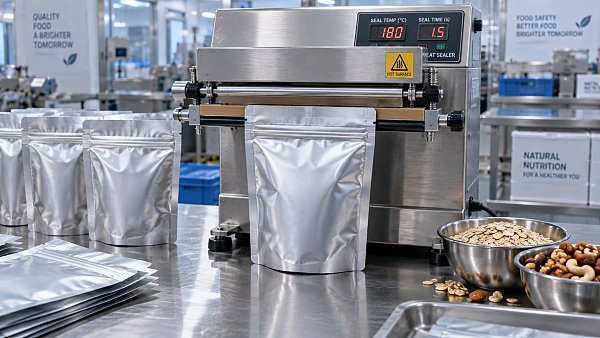
 Carton & PlasticsWhen should you heat seal aluminum foil zipper bags for food storage?When should you heat seal aluminum foil zipper bags? Learn when stronger closures matter, how to protect dry foods, and which sealing checks help ensure reliable storage.Packaging Supply ExpertOct 16, 2026
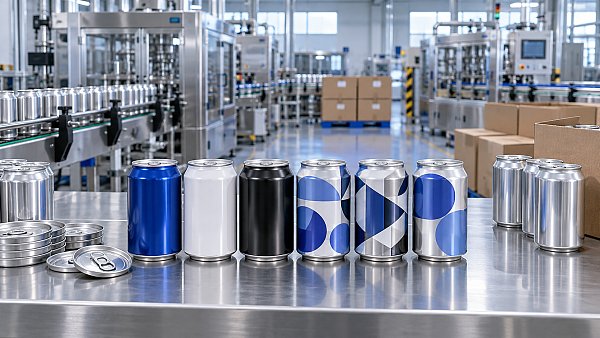
 Supply Chain InsightsHow to find a custom-printed ring-pull can supplier for small ordersFind a custom printed ring pull cans supplier for small orders. Compare MOQs, printing options, samples, and delivered costs to launch confidently without excess inventory.Oct 15, 2026
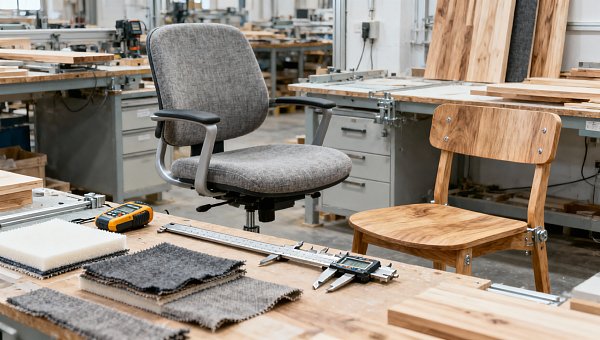
 Supply Chain InsightsWhat Should You Check When Auditing a Contract Furniture Supplier?What should be checked when auditing a contract furniture supplier? Discover essential checks for compliance, quality, traceability, and delivery to reduce sourcing risks.Oct 14, 2026
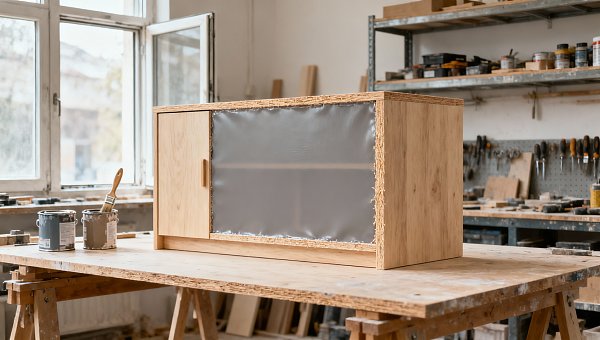
 Office FurnitureDoes sealing MDF furniture reduce the risk of toxic emissions?Concerned about MDF toxicity? Discover how sealing furniture can reduce formaldehyde emissions, where it falls short, and how to choose low-emitting options for your home.Interior Sourcing LeadOct 14, 2026