Industry News
Curation by industry experts
Hot Articles
Popular Tags
Decorative Lighting Sourcing: How to Compare Cost and Compliance
Decorative Lighting Sourcing: How to Compare Cost and Compliance
Decorative lighting sourcing demands more than comparing unit prices.
A low quote can hide tooling charges, certification gaps, packaging waste, or failure risk after installation.
For buyers under margin pressure, the real task is balancing landed cost with compliance readiness.
That is where decorative lighting sourcing becomes a strategic evaluation process, not a price collection exercise.
In practice, strong decisions come from comparing supplier capability, product structure, regulatory exposure, and after-sales risk together.
When those factors are reviewed early, procurement teams avoid rushed approvals and expensive corrections later.
Why unit price alone misleads decorative lighting sourcing
The first quote often looks simple.
Yet decorative lighting sourcing usually includes visible materials, electrical parts, surface finishing, packaging, and compliance documents.
A supplier with the lowest ex-works price may still create the highest delivered cost.
More clearly now, freight volatility and tighter market access rules make hidden costs easier to trigger.
This also means quotation analysis must move beyond line-item totals.
- Base unit price may exclude bulbs, drivers, mounting kits, or spare parts.
- Surface finishes can raise rejection rates if color consistency is weak.
- Mixed materials often increase test scope and document review time.
- Fragile designs may require upgraded cartons, inserts, and drop-test validation.
- Late compliance work can delay shipment release and market entry.
So, effective decorative lighting sourcing starts with a full-cost comparison model.
That model should reflect both commercial and regulatory realities in the target market.
Build a landed cost model before selecting suppliers
Landed cost is the most practical base for decorative lighting sourcing decisions.
It shows what the product truly costs when it reaches the warehouse or project site.
Without this view, quote comparisons remain incomplete.
Core landed cost elements
- Unit price by SKU, finish, voltage version, and packaging type.
- Tooling, mold fees, sample charges, and artwork setup costs.
- Inner box, master carton, pallet, and protective material expenses.
- Freight, insurance, duties, broker fees, and local delivery charges.
- Inspection fees, laboratory testing, and certificate maintenance costs.
- Expected failure, replacement, return, or on-site service exposure.
In real sourcing work, packaging often changes the economics more than expected.
A decorative pendant with glass shades may ship cheaply in theory, but breakage can erase any savings.
That is why decorative lighting sourcing should include packaging validation as part of cost review.
A simple comparison table
This kind of framework keeps decorative lighting sourcing focused on total procurement value.
Compare compliance risk as carefully as cost
Compliance is not a paperwork formality.
For decorative lighting sourcing, it directly affects customs clearance, channel acceptance, insurance exposure, and brand trust.
Requirements vary by destination, product structure, and installation environment.
A table lamp, wall sconce, and hotel chandelier may face very different review points.
What to verify early
- Applicable standards for the target market and intended use.
- Test reports matching the exact bill of materials.
- Traceability of drivers, sockets, wires, plugs, and switches.
- Material declarations for metal finishes, plastics, and coatings.
- Labeling, warnings, manuals, and carton markings.
One common mistake is relying on old certificates from similar products.
In decorative lighting sourcing, small design changes can affect validity.
A different dimmer, connector, finish process, or cable specification may trigger new testing needs.
The stronger signal in recent audits is this: document alignment matters as much as product performance.
Questions for supplier review
- Can the supplier show current reports for the same configuration?
- Are critical components sourced from approved and stable vendors?
- Who controls engineering changes after testing approval?
- How are labels, manuals, and packing marks verified before shipment?
These questions help decorative lighting sourcing teams identify suppliers who manage compliance as a system.
Assess supplier capability behind the quotation
A polished quotation can mask operational weakness.
That is why decorative lighting sourcing should test whether the factory can repeat quality at scale.
This matters even more for decorative products, where appearance defects are immediately visible.
Capability signals worth checking
- In-house engineering support for drawings, samples, and revisions.
- Process control for plating, painting, polishing, welding, and assembly.
- Inspection standards for finish, dimensions, wiring, and function.
- Supplier management for drivers, LED modules, glass, and hardware parts.
- Corrective action response when defects or delays appear.
In actual business reviews, repeatability often matters more than peak sample quality.
A supplier may build an excellent first sample, yet struggle with batch color variation or assembly alignment later.
So decorative lighting sourcing should include pilot order analysis, not only showroom samples.
Use a practical scorecard for sourcing decisions
A scorecard helps standardize decorative lighting sourcing across multiple suppliers.
It also reduces internal debate based on incomplete impressions.
The best scorecards are simple enough to use, but detailed enough to reveal risk.
You can adjust the weights by project type.
For hospitality projects, delivery timing may deserve more weight.
For retail chains, packaging efficiency and replacement support may become more important.
The point is to make decorative lighting sourcing measurable and repeatable.
Common mistakes that raise sourcing cost
Even experienced teams can miss avoidable issues.
Most problems in decorative lighting sourcing come from late clarification.
- Approving quotations before confirming exact materials and components.
- Assuming one certificate covers every voltage or installation scenario.
- Ignoring carton design until after the pilot run.
- Skipping change-control terms in purchase agreements.
- Comparing suppliers without the same technical specification sheet.
When specifications are uneven, decorative lighting sourcing turns into guesswork.
Clear drawings, approved samples, and documented compliance targets keep supplier comparisons fair.
A smarter way to move from quotation to award
The best decorative lighting sourcing process is disciplined but not slow.
It moves step by step, reducing uncertainty before volume commitments are made.
- Standardize the RFQ package with drawings, finish notes, packaging rules, and target market needs.
- Compare landed cost, not just factory price.
- Review compliance evidence against the exact product configuration.
- Validate supplier capability through sample review and pilot output.
- Award business using a weighted scorecard and documented change-control terms.
That approach keeps decorative lighting sourcing aligned with cost targets, safety requirements, and long-term supply continuity.
In the end, the strongest supplier is rarely the one with the cheapest first quote.
It is the one that can deliver compliant products, stable quality, and predictable total cost over time.
If decorative lighting sourcing is evaluated through that lens, procurement decisions become easier to defend and far more profitable to scale.
Recommended News
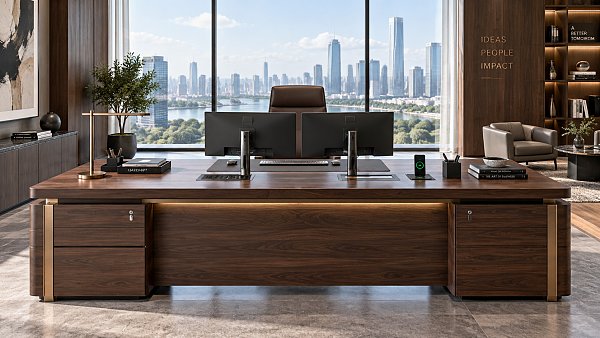
 Office FurnitureWhen does a custom executive office desk justify its higher cost?Discover when a custom executive office desk is worth the investment—from tailored layouts and integrated technology to durable materials and long-term value.Interior Sourcing LeadSep 22, 2026
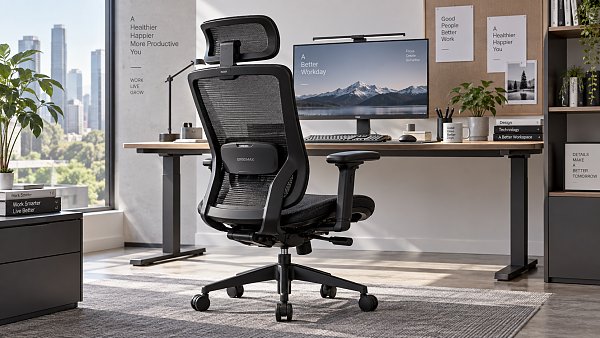
 Office FurnitureWhich high back ergonomic office chairs fit all-day desk work?High back ergonomic office chairs for all-day desk work: compare lumbar support, seat depth, armrests, recline, and materials to find a better fit.Interior Sourcing LeadSep 21, 2026
 Commercial LEDWhen does a 200W linear high bay provide enough light for a warehouse?Discover when a 200W linear high bay delivers sufficient warehouse lighting, with practical guidance on lumens, mounting height, aisle layout, and uniformity.Commercial Tech EditorSep 20, 2026
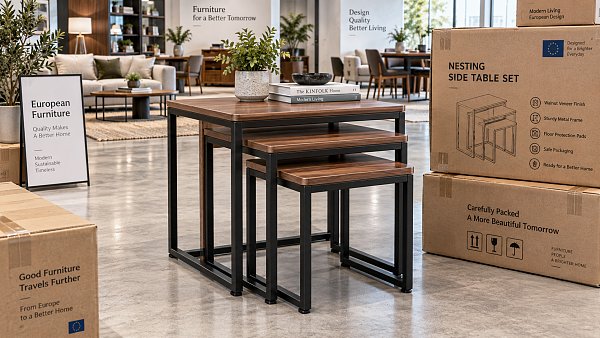
 Home DecorWhat to check before ordering wholesale nesting side tables in EuropeWholesale nesting side tables Europe: assess materials, stability, compliance, packaging, landed cost, and supplier reliability before ordering with confidence.Interior Sourcing LeadSep 19, 2026