Industry News
Curation by industry experts
Hot Articles
Popular Tags
How to Compare Energy-Efficient Light Fixtures for Commercial Retrofits
How to Compare Energy-Efficient Light Fixtures for Commercial Retrofits
Choosing the right light fixtures energy efficient enough for commercial retrofits requires more than checking wattage or upfront cost.
A smart comparison looks at performance, controls, maintenance, compliance, and lifecycle value together.
That is where many retrofit decisions improve or fail.
In real projects, the best fixture is rarely the cheapest unit on a quotation sheet.
It is the option that balances energy savings, lighting quality, site conditions, and future operating risk.
This guide gives a practical way to compare light fixtures energy efficient enough for offices, warehouses, retail spaces, schools, and mixed-use facilities.
Start with the retrofit objective, not the product sheet
Before comparing models, define what the retrofit must achieve.
Some projects focus on utility rebates.
Others need better visual comfort, lower maintenance labor, or smart building integration.
This first step shapes every later comparison.
A warehouse may prioritize high-bay efficacy and sensor coverage.
An office may care more about glare control, dimming smoothness, and color consistency.
Retail often values beam control and color rendering because sales areas depend on visual presentation.
At this stage, define clear targets such as:
- energy reduction percentage
- minimum illuminance levels
- acceptable payback period
- required control protocols
- maintenance interval expectations
- project-specific compliance needs
When these targets are documented early, comparing light fixtures energy efficient enough for the site becomes much more objective.
Compare efficacy, but keep output and distribution in view
Efficacy matters, but it should never be read alone.
Lumens per watt helps identify energy-saving potential.
Still, two fixtures with similar efficacy can perform very differently on site.
The reason is optical design.
A highly efficient fixture may still waste light if distribution does not match ceiling height or task layout.
Check these metrics together:
- fixture efficacy in lm/W
- delivered lumen package
- beam angle or distribution type
- spacing criteria
- light loss factors over time
- photometric files for layout validation
A practical rule is simple.
Do not reward a fixture only because its headline efficacy looks better.
Reward the fixture that reaches target lux levels with fewer compromises.
That approach leads to better light fixtures energy efficient in actual use, not just on paper.
Assess lighting quality the same way you assess energy performance
Retrofit success depends on visual quality as much as savings.
Poor glare control can trigger complaints even when energy results look excellent.
That is especially true in offices, classrooms, healthcare settings, and reception areas.
Look closely at the following factors:
- UGR or other glare indicators
- CRI and, where relevant, R9 values
- CCT consistency across spaces
- flicker performance and driver quality
- uniformity ratios in lighting calculations
- lens, louver, or diffuser design
This is where shortlisting often changes.
A cheaper product may meet energy targets but create sharp brightness contrasts or visible flicker.
That creates a hidden cost through complaints, rework, or reduced occupant satisfaction.
When comparing light fixtures energy efficient for commercial retrofits, visual comfort should carry real decision weight.
Check controls compatibility before making the final shortlist
More efficient fixtures now depend heavily on controls strategy.
Without proper controls, even excellent fixtures can underperform financially.
This is an even stronger signal in large commercial retrofits.
Confirm whether the fixture supports:
- 0-10V dimming
- DALI or other digital protocols
- occupancy and vacancy sensors
- daylight harvesting
- wireless control platforms
- emergency lighting integration
Also check commissioning complexity.
Some light fixtures energy efficient in theory become difficult to manage because setup is fragmented or proprietary.
That can raise labor costs and slow deployment across multiple sites.
If the building already uses a control ecosystem, compatibility should be treated as a hard filter, not a soft preference.
Review durability, maintenance, and site-specific risk
Long-term maintenance often separates strong retrofit decisions from weak ones.
This matters even more in facilities with high ceilings, long operating hours, or limited service access.
Do not stop at the rated life claim.
Compare maintenance-related details such as:
- L70 or L80 lifetime data
- ambient operating temperature range
- driver replaceability
- IP rating and ingress protection
- surge protection level
- warranty terms and exclusions
Site conditions should drive the final judgment.
Dust, heat, vibration, humidity, and switching frequency can all shorten real service life.
A fixture that works well in a clean office may fail earlier in a logistics hub.
The most reliable light fixtures energy efficient for retrofits are the ones matched to actual operating conditions.
Use compliance and documentation as decision tools
Compliance is not just a box-ticking exercise.
It helps reduce procurement risk and improves confidence in product claims.
From recent market shifts, verified documentation has become even more important.
Look for relevant evidence, including:
- UL, ETL, CE, or regional approvals
- LM-79 and LM-80 related data
- TM-21 projections where applicable
- RoHS and environmental declarations
- rebate eligibility documentation
- complete photometric and installation files
If a supplier cannot provide consistent technical documents, treat that as an early warning sign.
Good documentation speeds internal approval and supports cleaner project handover.
It also makes side-by-side comparison of light fixtures energy efficient far easier across brands and regions.
Build a weighted comparison matrix
At this point, a weighted matrix helps turn technical data into a defendable decision.
This is especially useful when teams need alignment across procurement, engineering, and facility operations.
The weights can change by project type.
Still, the matrix keeps decisions disciplined and easier to explain.
It also helps identify which light fixtures energy efficient choices truly support long-term retrofit goals.
Ask better supplier questions before approval
Final decisions often improve when the right questions are asked early.
Useful questions include:
- What tested data supports the claimed efficacy and lifetime?
- How does the fixture perform in the site temperature range?
- Which controls systems are fully validated?
- What failure points are most common in similar installations?
- What spare parts and service response are available locally?
- Can the supplier support mockups or pilot installations?
These questions reveal more than brochure language ever will.
They also reduce the risk of selecting light fixtures energy efficient in marketing terms but weak in field performance.
Make the final decision with lifecycle value in mind
The best retrofit decision usually comes from a lifecycle view.
That means combining installed cost, controls savings, maintenance exposure, and operational reliability.
In many cases, the winning option is not the lowest bid.
It is the fixture with the strongest balance of verified performance and lowest long-term risk.
That is also the most practical way to compare light fixtures energy efficient for commercial retrofits.
Define the objective first.
Validate energy and optical performance together.
Check controls, durability, and compliance without shortcuts.
Then use a weighted matrix to make the decision easier to defend internally.
When that process is followed carefully, retrofit teams choose light fixtures energy efficient enough to deliver savings, comfort, and dependable performance over time.
Recommended News
 Home DecorCIFF Guangzhou Sets March 2027 Dates, Focusing on Quality, Innovation and Industry ValueCIFF Guangzhou 2027 runs March 18–21 and 28–31, spotlighting furniture quality and innovation. Explore key sourcing insights to plan visits, compare suppliers and prepare smarter purchasing decisions.Interior Sourcing LeadOct 27, 2026
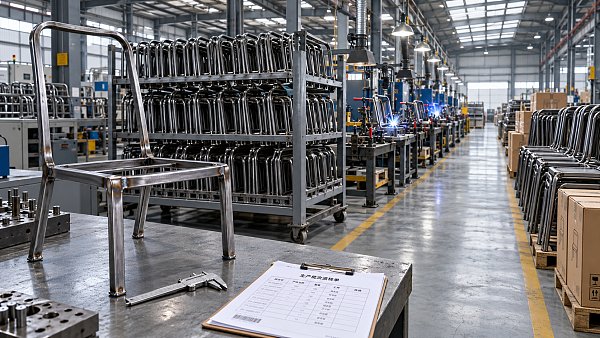
 Supply Chain InsightsHow to verify a metal furniture factory's production capacityVerify a metal furniture factory's production capacity with proven output records, bottleneck checks, and realistic schedules. Learn how to reduce sourcing risks and protect delivery deadlines.Oct 27, 2026
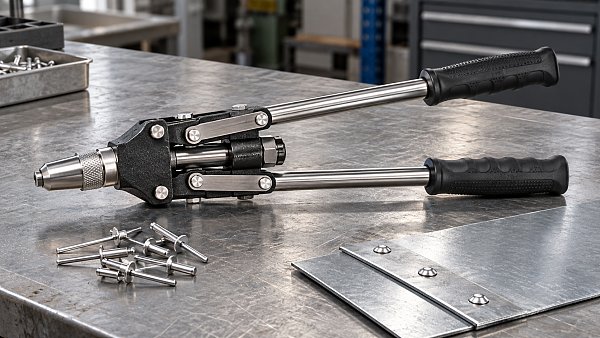
 Hand & Power ToolsDo you need a long handle rivet gun for stainless steel rivets?Need a long handle rivet gun for stainless steel rivets? Discover when extra leverage helps, which tool ratings matter, and how to choose the right riveter for your job.Tooling & Hardware LeadOct 26, 2026
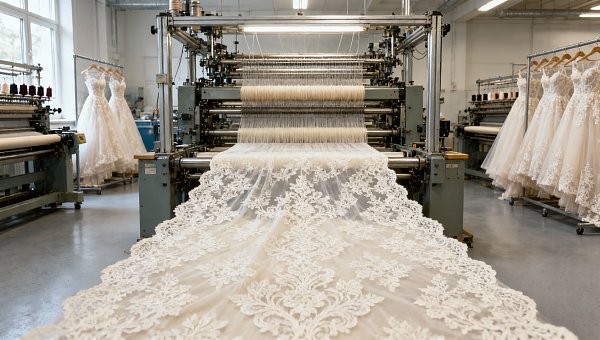
 Textile MachineryItalian Textile Machinery Orders Rise 7% in Q3 2026 as Overseas Demand LeadsItalian textile machinery orders rose 7% in Q3 2026 as overseas demand climbed 8% and domestic orders fell 4%. Explore ACIMIT's figures and what they mean for manufacturers.Textile Industry AnalystOct 25, 2026