Industry News
Curation by industry experts
Hot Articles
Popular Tags
LED Poster Display: Indoor Advertising Results and Power Costs
LED Poster Display: Indoor Advertising Results and Power Costs
For indoor advertising comparisons, the led poster display offers strong visibility, easy placement, and controlled operating costs. It bridges brand presentation with practical energy performance in retail, hospitality, transport, and commercial interiors.
However, visual appeal alone does not confirm value. A useful decision requires checking brightness needs, traffic patterns, runtime, maintenance demands, and real electricity consumption over the expected service life.
This guide explains how a led poster display affects indoor advertising results, what drives power costs, and which checkpoints help compare total return more accurately.
Why structured evaluation matters
Indoor digital signage often looks similar during early sourcing. Yet performance differences appear later in image consistency, software reliability, cooling efficiency, and actual electricity bills.
A structured review prevents overbuying brightness, underestimating operating hours, or ignoring content strategy. It also helps compare a led poster display with static lightboxes or conventional LCD signage.
This matters across the broader commercial ecosystem covered by Global Supply Review, where procurement decisions increasingly combine technical fit, sustainability, and measurable commercial output.
Core points to check before choosing a led poster display
- Confirm the installation environment, average viewing distance, and ambient light level so the led poster display brightness matches the space without wasting energy.
- Check pixel pitch and screen size together, because a sharper image at the correct distance improves message clarity and reduces content design errors.
- Review rated power, average power, and daily runtime separately, since real power costs depend more on content brightness and usage schedules than peak wattage.
- Verify front service access, spare module availability, and support response time to reduce downtime and protect the long-term value of the led poster display.
- Assess content management features such as remote updates, scheduling, and multi-screen sync, because operational simplicity directly affects campaign speed and consistency.
- Compare brightness control, automatic dimming, and energy-saving modes, which can lower electricity use while keeping the led poster display visually effective indoors.
- Inspect cabinet quality, thermal design, and component certification to ensure stable operation in commercial environments with long opening hours.
- Estimate total cost of ownership, including hardware, software, installation, power, content production, and maintenance over three to five years.
How indoor advertising results are usually measured
A led poster display performs best when evaluation goes beyond impressions. Strong indoor results often combine attention capture, message recall, dwell time, and response to a promotion or call to action.
Retail spaces may focus on uplift near featured products. Corporate lobbies may prioritize premium brand perception. Event venues may value rapid message switching and sponsor visibility.
In many settings, motion content creates a stronger first glance than printed signage. Yet overactive visuals can reduce readability. The best led poster display campaigns balance movement with simple messaging.
What determines power costs
Power cost depends on more than the specification sheet. Average consumption changes with brightness level, white-background content, operating hours, and local electricity rates.
For example, a led poster display running twelve hours daily with mixed content may consume far less than its maximum rated wattage. Automatic dimming during quieter periods can reduce that figure further.
A practical formula is simple: average kilowatts multiplied by daily hours, then by operating days, then by local energy price. This reveals the true annual cost baseline.
Application notes for common indoor spaces
Retail stores and shopping centers
In retail, the led poster display often supports promotions, launches, and wayfinding. Placement near entrances or high-traffic intersections usually improves visibility and short-term campaign impact.
Key checks include glare control, portrait readability, and content refresh frequency. Energy performance improves when brightness is tuned for mall lighting rather than set permanently at maximum.
Hotels, restaurants, and entertainment venues
These environments benefit from premium visuals and fast content changes. A led poster display can promote menus, events, or brand ambiance without the recurring print replacement cost.
Critical points include silent operation, color consistency, and elegant enclosure design. Long opening hours make average power draw especially important in these settings.
Corporate lobbies and commercial buildings
In offices and shared buildings, the led poster display often communicates announcements, branding, and visitor information. Here, credibility and clarity matter more than aggressive visual motion.
Focus on stable remote management, scheduled playlists, and moderate brightness. These projects often value low maintenance and consistent daily operation over maximum visual intensity.
Exhibitions, pop-ups, and temporary activations
Temporary campaigns need portability and rapid setup. A led poster display can work well where flexibility, transport ease, and repeat deployment across multiple locations are required.
Check wheel design, protective packaging, quick assembly, and power compatibility. In short-term use, convenience and impact may matter more than marginal differences in annual energy cost.
Frequently overlooked issues
One common mistake is choosing excessive brightness for indoor use. This raises power consumption, increases visual discomfort, and may shorten component life without improving advertising performance.
Another overlooked issue is content quality. Even an advanced led poster display cannot fix weak layouts, crowded text, or poor motion pacing. Creative execution strongly affects return.
Some projects also ignore maintenance access. If modules or power supplies are difficult to service, downtime grows and cost efficiency declines over time.
Software compatibility is another risk point. Content systems should support scheduling, remote control, and secure updates. Otherwise, labor costs may rise even if hardware pricing seems attractive.
Finally, electricity estimates are sometimes based on maximum power only. That approach can distort budgeting. Always request average operating consumption under realistic content conditions.
Practical execution advice
- Define the message goal first, such as promotion, navigation, brand presence, or event support, before comparing led poster display specifications.
- Measure actual indoor light levels and viewing distances to avoid paying for unnecessary brightness or unsuitable resolution.
- Request both peak and typical power data, then calculate annual electricity cost using realistic schedules and local tariffs.
- Test sample content on the display, including text size, motion speed, and color balance, before confirming deployment scale.
- Review warranty terms, spare parts policy, and software support, because these factors shape long-term operational reliability.
- Track performance after installation through footfall response, campaign recall, or sales correlation to refine future content and runtime settings.
Common questions about led poster display decisions
Is a led poster display more effective than printed posters indoors?
Often yes, especially when frequent content changes, motion graphics, or time-based promotions are important. Printed posters may still suit ultra-low-update campaigns with minimal operating needs.
Are power costs usually high?
Not necessarily. Power cost depends on brightness, content, and hours of use. Indoor settings with dimming and disciplined scheduling can keep costs manageable.
What is the best way to compare suppliers?
Compare image quality, average power data, support capability, software usability, service access, and total ownership cost rather than purchase price alone.
Final takeaways and next steps
A well-chosen led poster display can deliver stronger indoor advertising impact while maintaining practical energy efficiency. The key is linking visual goals with realistic runtime, content behavior, and service requirements.
Before approval, verify brightness fit, power assumptions, software tools, and maintenance access. Then calculate total cost across several years, not just the initial hardware purchase.
That approach creates a clearer basis for investment, supports better advertising results, and aligns indoor display selection with broader commercial performance and operational control.
Recommended News
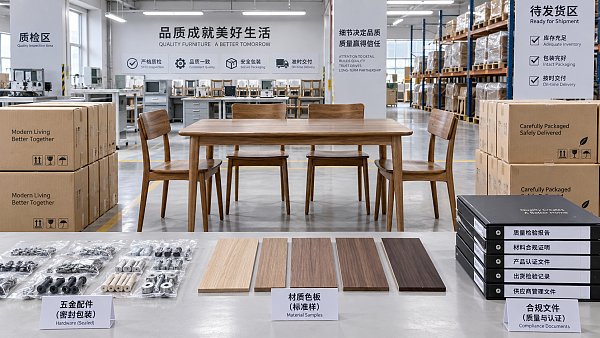
 Office FurnitureHow supplier scorecards reduce risk in furniture procurementFurniture procurement supplier management becomes more resilient with supplier scorecards that track quality, delivery, compliance, and corrective actions. Learn how to reduce sourcing risk.Interior Sourcing LeadSep 26, 2026
 Office Paper & Printing PaperHow roll diameter affects downtime when using jumbo paper rollsJumbo paper rolls can cut changeovers and downtime—if your unwinder, handling, and tension control can support them. Find the optimal roll diameter for smoother output.Packaging Supply ExpertSep 25, 2026
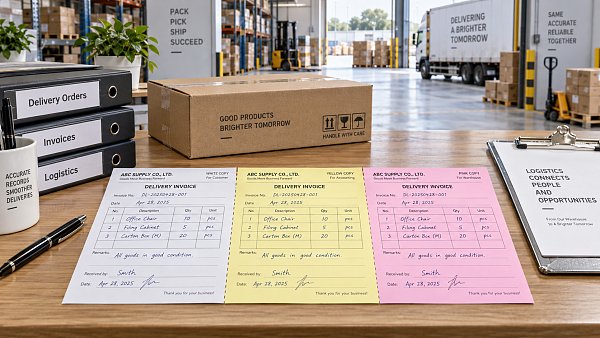
 Office Paper & Printing PaperWhen does carbonless paper for invoices reduce billing errors?Carbonless paper for invoices reduces billing errors by creating clear, consistent copies for deliveries, service calls, and approvals. Learn when it strengthens billing control.Packaging Supply ExpertSep 24, 2026
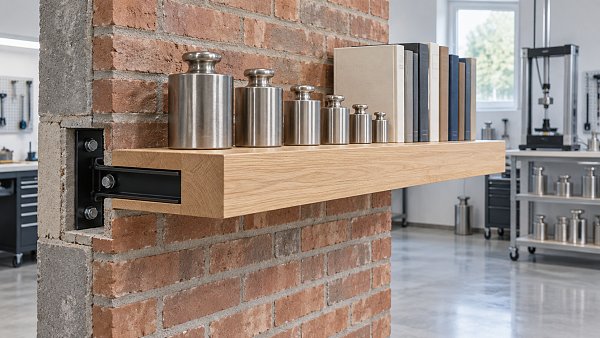
 Home DecorHow to compare floating wall shelves suppliers for consistent load capacityFloating wall shelves supplier comparison guide: evaluate load capacity, brackets, wall fixings, testing, and production consistency before you buy.Interior Sourcing LeadSep 23, 2026