Industry News
Curation by industry experts
Hot Articles
Popular Tags
Signify Q3 2026 Earnings: €28 Million Tariff Refund Lifts Profit
Signify’s third-quarter 2026 results highlight how tariff adjustments can affect lighting-sector earnings even as demand remains weak. The global lighting company reported a 3.4% decline in comparable sales and soft demand for U.S. projects, while a €28 million tariff refund helped lift profit. From an industry perspective, the contrast warrants attention from manufacturers, importers and project suppliers assessing trade costs, procurement prices and demand assumptions.
Tariff Recovery Supports Profit as Comparable Sales Decline
According to the supplied information, Signify released its financial results for the third quarter of 2026. Comparable sales fell 3.4% year on year, and U.S. project demand was weak. A €28 million tariff refund contributed to profit growth.
The supplied account places these results in the context of trade-policy volatility and the lighting supply chain’s management of costs alongside market demand.

Where the Refund May Matter Across the Lighting Supply Chain
Manufacturers and importers may need to reassess cost assumptions
Analysis suggests that the refund draws attention to the relationship between tariff costs and reported profitability. For manufacturers and importers, a comparable adjustment could affect product-cost assessments and purchasing decisions. However, the supplied information does not identify the refund’s legal basis, covered products or eligibility conditions. Other businesses would therefore need to verify whether any relevant tariff treatment applies to their own transactions before estimating a benefit.
Purchasers and distributors may face questions about pricing
From a procurement perspective, a tariff refund could prompt discussion about whether earlier cost assumptions still support current quotations. Any effect on customer prices would depend on the applicable transactions and commercial terms. Buyers and distributors could review how their agreements address tariff costs and subsequent adjustments, without assuming that Signify’s refund establishes a general entitlement to lower prices.
Project suppliers may need to keep demand and margin assessments separate
Analysis suggests that suppliers serving U.S. lighting projects should assess demand independently from tariff-related profit support. The reported weakness in project demand provides a reason to scrutinize order expectations and procurement commitments. The refund alone does not establish stronger project activity or a corresponding improvement in delivery volumes.
Practical Checks Before Revising Procurement or Margin Plans
Verify the basis and scope of any comparable refund
As a practical recommendation, businesses assessing possible exposure could first seek verified information on the tariff measures involved, the transactions covered and the conditions governing any refund. Relevant trade records and supporting documents could then be checked against those conditions. The supplied account does not establish a new claim procedure, filing deadline or compliance obligation.
Review how contracts allocate tariff adjustments
Purchasers and suppliers could examine whether their agreements address tariff changes, retrospective refunds or revisions to quoted costs. This review may help clarify whether a potential adjustment would affect a purchasing price, a supplier’s margin or a later commercial discussion. No contractual allocation can be inferred from Signify’s reported result.
Assess earnings without assuming the benefit will recur
For planning purposes, companies could evaluate underlying sales and margins separately from tariff refunds. The input does not establish whether Signify’s benefit is repeatable. Treating an equivalent refund as a continuing reduction in procurement costs would therefore require further evidence.
Check project commitments against confirmed demand
Given the reported weakness in U.S. project demand, project suppliers could review purchasing schedules and delivery commitments against confirmed customer requirements. This is a planning consideration rather than evidence that orders have been cancelled, lead times have changed or contractual deliveries have been disrupted.
A Company-Level Outcome, With Wider Policy Implications Still Unclear
At this stage, it is more appropriate to understand the refund as a reported company-level financial outcome within a volatile trade-policy environment. It does not, on the information provided, establish a newly announced tariff reduction or an industry-wide refund entitlement.
Editorial analysis suggests that the key issue is how broadly the underlying tariff treatment might apply. Its relevance to other lighting businesses would depend on the legal basis, product coverage, transaction eligibility and implementation details. None of those details is specified in the supplied material.
Further verified information could help distinguish a narrowly applicable adjustment from a development with broader procurement implications. Until then, the result offers a reason to examine tariff exposure, while leaving the direction of wider trade costs uncertain.
Use the Result to Test Assumptions About Costs and Demand
From an industry perspective, Signify’s results show why tariff-related earnings effects and market demand deserve separate attention. The reported refund supported profit while comparable sales declined and U.S. project demand remained weak.
A measured response would be to verify any applicable tariff treatment, review relevant commercial terms and keep purchasing plans aligned with supported demand assumptions. The available information supports closer scrutiny of trade-cost exposure; it does not support a conclusion that the lighting sector has entered a period of broadly lower tariffs or stronger demand.
Basis of This Article and Details Requiring Verification
This article is based solely on the news title, event timing and event summary supplied by the user. The stated reporting period is the third quarter of 2026. No specific official source links were included in the input, and the underlying information remains subject to continued verification.
Potential verification sources include company financial disclosures and relevant customs or trade-authority publications. Subsequent review should focus on the refund’s legal basis, product and transaction coverage, applicable implementation conditions, company execution and industry feedback. Any wider implications for trade rules or procurement costs should be assessed against verified details as they become available.
Recommended News
 Commercial LEDSignify Q3 2026 Earnings: €28 Million Tariff Refund Lifts ProfitExplore Signify Q3 2026 earnings: a reported €28 million tariff refund lifts profit as comparable sales fall 3.4%. Discover the implications for lighting costs and demand.Commercial Tech EditorOct 24, 2026
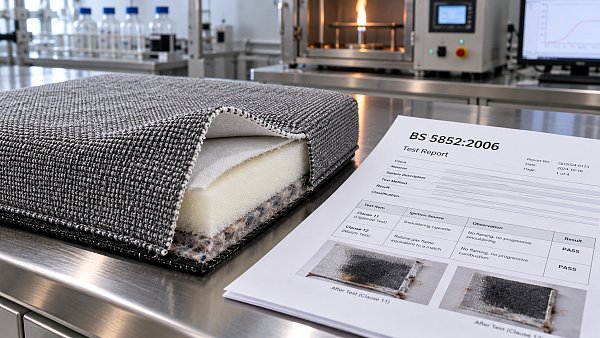
 Fabrics & YarnsHow to check BS 5852 test reports for fire retardant upholstery fabricChoosing fire retardant fabric for upholstery? Learn how to check BS 5852 reports, verify ignition sources and match tested constructions for confident purchasing decisions.Textile Industry AnalystOct 24, 2026
 Export UpdatesChina’s Textile and Apparel Exports Rise 21.5% in September, Up 5.1% Year to DateChina’s textile and apparel exports rose 21.5% in September and 5.1% year to date. Explore the figures and key signals to watch for sustained industry growth.Oct 23, 2026
 Hand & Power ToolsHow to choose resin-bonded cutting wheels for stainless steelChoose resin bonded cutting wheels for stainless steel with confidence. Compare abrasives, thickness, safety, and cost per cut to find the right wheel for cleaner cuts and less rework.Tooling & Hardware LeadOct 23, 2026