Industry News
Curation by industry experts
Hot Articles
Popular Tags
China's Food-Grade Plastic Packaging Export Prices Rise 8%–12% in March 2026 Due to PE/PP Raw Material Surge
Introduction
In March 2026, China's food-grade plastic packaging export sector experienced significant price adjustments, with FOB quotes rising by 8%–12% on average. According to data released by the China Packaging Federation on March 30, this increase was primarily driven by a 15.3% month-on-month surge in polyethylene (PE) and polypropylene (PP) prices in East China, reaching 11,200 RMB/ton. The price hike, influenced by geopolitical tensions in the Middle East and domestic refinery maintenance, has extended lead times to 6–8 weeks, with urgent orders incurring a 15% premium. This development is critical for food packaging manufacturers, exporters, and supply chain stakeholders to monitor, as it may reshape cost structures and procurement strategies.

Event Overview
On March 30, 2026, the China Packaging Federation reported a sharp increase in food-grade PE/PP prices due to rising crude oil costs and seasonal refinery maintenance. The average price in East China rose to 11,200 RMB/ton, up 15.3% from the previous month. Consequently, export prices for key food packaging products—such as plastic containers, trays, and cup lids—increased by 8%–12%. Delivery times from South China factories extended from 4 weeks to 6–8 weeks, with expedited orders requiring a 15% surcharge.
Impact on Sub-Sectors
Direct Exporters
Exporters face immediate margin pressure due to higher material costs, which may reduce competitiveness in price-sensitive markets. Contracts with fixed pricing terms are particularly vulnerable.
Raw Material Procurement Teams
Procurement managers must reassess supplier agreements and explore alternative sourcing options to mitigate cost volatility. Locking in prices through forward contracts could be a strategic move.
Manufacturers
Production delays and increased costs may disrupt just-in-time inventory systems, forcing manufacturers to adjust production schedules and buffer stock levels.
Supply Chain Services
Logistics providers and third-party procurement firms must adapt to longer lead times and communicate transparently with clients to manage expectations.
Key Focus Areas and Recommended Actions
Monitor Oil Price Trends and Geopolitical Developments
The volatility in crude oil prices, driven by Middle Eastern tensions, remains a critical factor. Companies should track OPEC+ decisions and regional stability updates.
Review Contract Terms with Buyers and Suppliers
Revisiting pricing clauses and force majeure provisions in contracts can help mitigate risks associated with sudden cost fluctuations.
Diversify Supplier Networks
Exploring regional alternatives or secondary suppliers for PE/PP could reduce dependency on a single source and enhance bargaining power.
Optimize Inventory Management
Building strategic reserves of critical materials or negotiating flexible delivery terms with customers may cushion against extended lead times.
Editor's Perspective / Industry Observation
From an industry standpoint, this price surge is more than a temporary spike—it reflects structural vulnerabilities in the global petrochemical supply chain. The convergence of geopolitical risks and seasonal constraints has amplified the impact. While some cost pressures may ease post-maintenance season, the underlying volatility suggests that businesses should treat this as a wake-up call to strengthen supply chain resilience. Proactive measures, such as scenario planning and supplier diversification, will be essential to navigate future disruptions.
Conclusion
The March 2026 price adjustments in China's food-grade plastic packaging sector underscore the interconnectedness of global markets and local supply chains. While the immediate focus is on cost management, the broader lesson lies in building adaptive strategies to withstand external shocks. Stakeholders should interpret this event as a signal to prioritize agility and long-term planning over short-term fixes.
Source Information
Primary source: China Packaging Federation, March 30, 2026 report. Note: Further updates on refinery maintenance schedules and oil price trends should be monitored for ongoing assessment.
Recommended News
 Carton & PlasticsHow to assess seam quality in 250ml aluminum beverage cansLearn how to assess seam quality in 250ml aluminum beverage cans with practical visual checks, precise measurements, teardown methods, and defect-control guidance.Packaging Supply ExpertSep 28, 2026
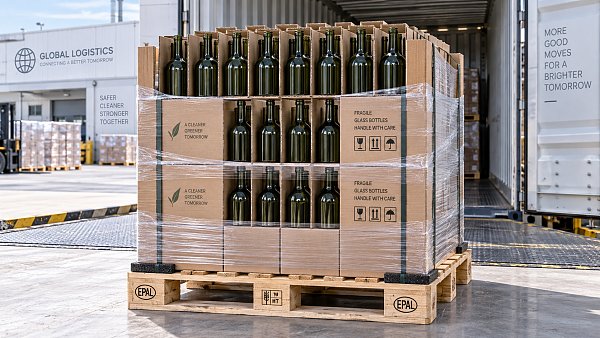
 Carton & PlasticsWhat drives breakage rates in bulk wine bottles wholesale orders?Bulk wine bottles wholesale buyers: discover what drives breakage rates, from glass quality and packaging to pallet loading, and reduce costly claims.Packaging Supply ExpertSep 27, 2026
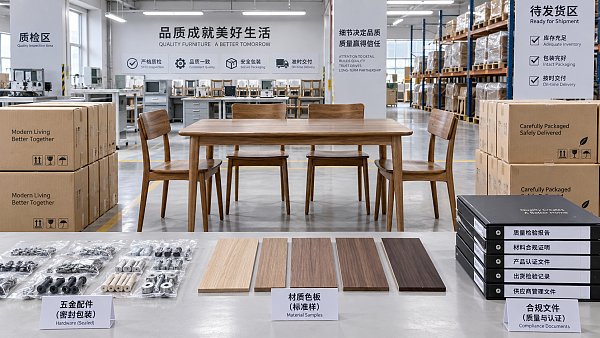
 Office FurnitureHow supplier scorecards reduce risk in furniture procurementFurniture procurement supplier management becomes more resilient with supplier scorecards that track quality, delivery, compliance, and corrective actions. Learn how to reduce sourcing risk.Interior Sourcing LeadSep 26, 2026
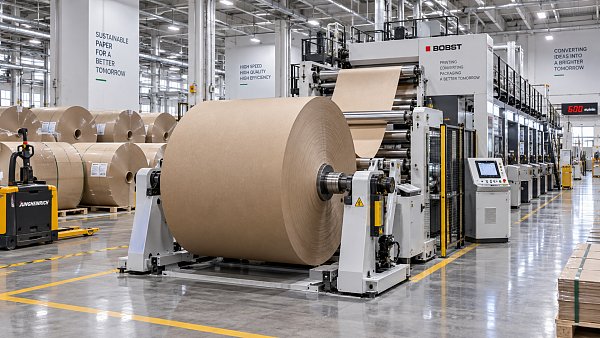
 Office Paper & Printing PaperHow roll diameter affects downtime when using jumbo paper rollsJumbo paper rolls can cut changeovers and downtime—if your unwinder, handling, and tension control can support them. Find the optimal roll diameter for smoother output.Packaging Supply ExpertSep 25, 2026