Industry News
Curation by industry experts
Hot Articles
Popular Tags
2026 China Textile Fair to Spotlight Sustainability and Functional Innovation
The 2026 China International Textile Fabrics and Accessories Fair is expected to take place soon in Shanghai, although the event date is not specified in the supplied information. Its focus on sustainable materials, functional fabrics and ESG compliance is relevant to suppliers, garment manufacturers and bridalwear buyers assessing sourcing expectations. No new policy, standard or mandatory rule is identified in the supplied information.
Materials and Forums on the Autumn-Winter Agenda
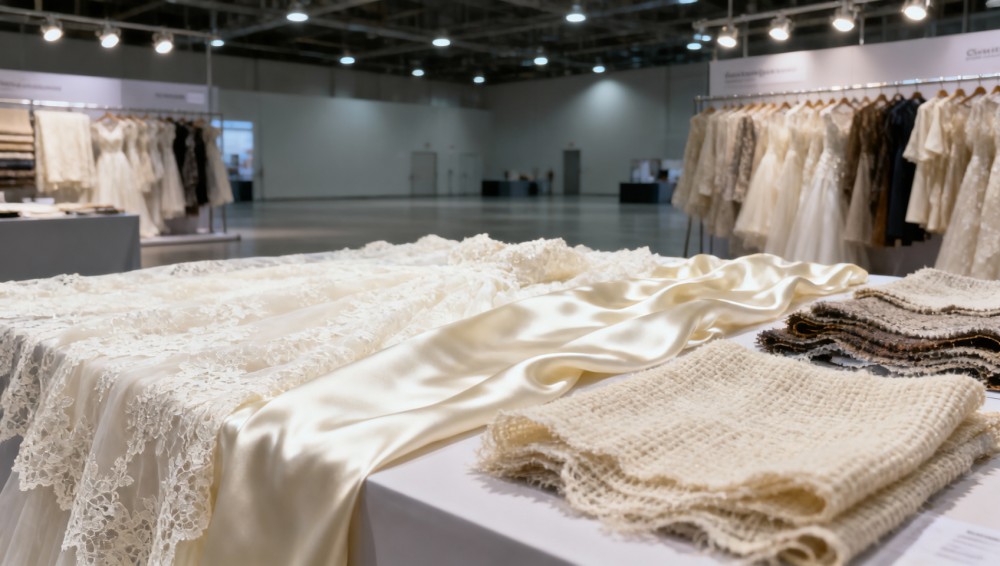
The autumn-winter fair is expected to bring together more than 3,000 fabric and accessory suppliers from around the world. Exhibits will focus on environmentally friendly recycled fibers, smart temperature-regulating fabrics, and innovative materials such as lace and silk for high-end occasionwear and bridal gowns. Forums held alongside the exhibition will address global textile supply chain resilience and ESG compliance.
Where ESG Discussions May Affect Sourcing
Suppliers Presenting Recycled and Functional Materials
From an industry perspective, discussions of ESG compliance may prompt buyers to ask suppliers for clearer evidence supporting material and performance claims. Suppliers of recycled fibers and temperature-regulating fabrics may therefore need to consider what product specifications and supporting documents they can provide. The supplied information does not establish any new documentation or certification requirement.
Manufacturers and Occasionwear Buyers
For garment manufacturers and bridalwear buyers, analysis suggests that material selection may involve closer scrutiny of both sustainability claims and suitability for the intended product. For lace and silk used in high-end garments, buyers may consider how specifications, available evidence and delivery terms align with their purchasing needs. Any effect on contracts or delivery remains uncertain.
Questions to Bring to Supplier Discussions
Evidence Behind Material Claims
Buyers may wish to ask how recycled-content or other environmental claims are substantiated and whether relevant supporting documents are available. Any certification claims should be checked against the documents supplied and the buyer's applicable requirements; the fair announcement does not identify a specific certification.
Performance and Product Suitability
For smart temperature-regulating fabrics, manufacturers could request technical specifications and assess available performance evidence against their intended use. Buyers considering lace or silk for bridalwear and occasionwear may also wish to validate material suitability before making purchasing commitments.
Supply and Delivery Commitments
As a precaution, procurement teams could discuss supplier capability, documentation availability and delivery timing when comparing materials. Forum discussions on supply chain resilience may provide questions for those conversations, but the supplied information does not establish a change to delivery obligations or trade rules.
ESG Forums as a Signal, Not a Rule Change
In editorial assessment, the exhibition is best understood as an opportunity to observe sourcing and compliance discussions, not as evidence that a new rule has taken effect. What deserves closer attention is whether later forum disclosures, buyer requirements or supplier practices provide verifiable detail that changes how material claims are assessed or documented.
Keeping Procurement Decisions Proportionate
The fair brings sustainable and functional materials together with discussions of supply chain resilience and ESG compliance. For now, the practical response is to evaluate relevant products and supporting evidence against each buyer's needs while treating any broader compliance implications as open to verification.
Basis for This Report
This article is based on the user-provided news title, event-time information and event summary. No specific official source link was provided in the input, so the details require continued verification. Subsequent official announcements, forum disclosures and industry feedback may help clarify the event details and whether any relevant policy, certification or purchasing requirements emerge.
Recommended News
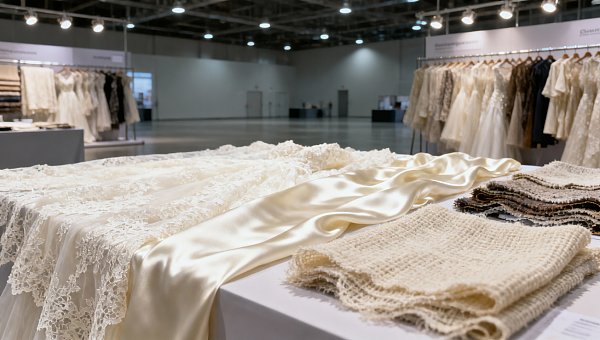
 Fabrics & Yarns2026 China Textile Fair to Spotlight Sustainability and Functional InnovationExplore the 2026 China Textile Fair and discover sustainable fibers, innovative fabrics and practical sourcing insights for bridalwear buyers.Textile Industry AnalystOct 31, 2026
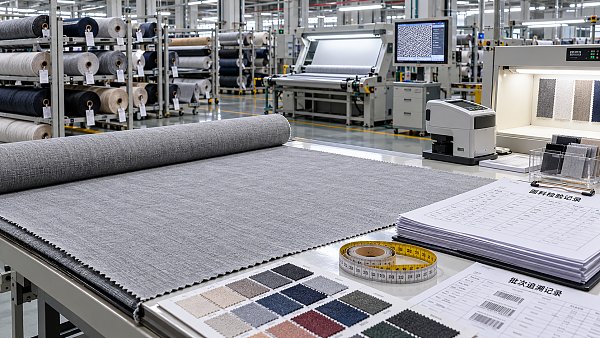
 Fabrics & YarnsHow to audit a textile manufacturer’s quality control processA textile manufacturers audit helps you assess quality controls, traceability, testing and corrective actions. Learn how to reduce sourcing risks.Textile Industry AnalystOct 31, 2026
 Carton & PlasticsGeopolitical Tensions and Supply Disruptions Heighten Polymer Price VolatilityPolymer price volatility is challenging packaging manufacturers as geopolitical tensions disrupt supply chains. Explore the impact on costs and production planning.Packaging Supply ExpertOct 30, 2026
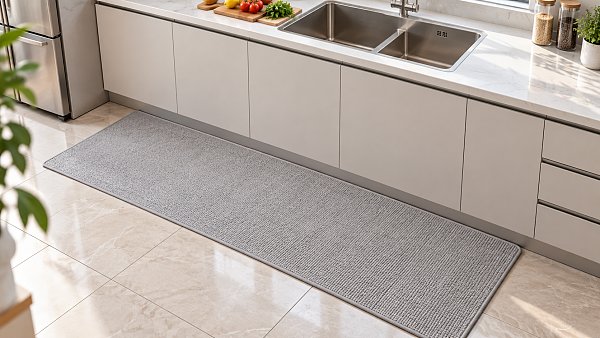
 Home DecorHow to choose a washable kitchen floor mat that stays in placeChoose a washable kitchen floor mat that stays put. Discover how to compare backing, floor compatibility, comfort, and cleaning care before you buy.Interior Sourcing LeadOct 30, 2026