Industry News
Curation by industry experts
Hot Articles
Popular Tags
How to find a custom-printed ring-pull can supplier for small orders
The most workable route to a small order of custom-printed ring-pull cans is usually an existing can format with a decoration method suited to short runs. Start by confirming compatibility with the product and filling process, then compare direct printing, labels, and sleeves. A low minimum order quantity has little value if the can requires new tooling, the closure does not suit the seaming equipment, or the decoration fails during processing.
When searching for a custom printed ring pull cans supplier, ask which existing body-and-end combinations are available at your required quantity. Separate the minimum quantity for plain cans from the minimum for each printed design. Those figures often reflect different production constraints, and the distinction determines whether a small launch is practical.
Define the can before requesting print prices
“Ring-pull can” describes an opening feature, not a complete packaging specification. A beverage can with a drinking aperture and a food can with a full-opening end serve different purposes. Decorative tins also appear in search results, but their construction and closures do not establish suitability for food filling, pressure, or thermal processing.
Describe the contents and processing conditions first. Carbonation, acidity, salt, oil, alcohol, and heat treatment affect material and internal coating selection. A container intended for a dry product cannot be assumed suitable for an acidic liquid. Likewise, suitability for cold filling does not establish performance during retorting.
A useful first enquiry includes the following information:
- Contents and filling process: identify the product, whether it is carbonated, and any hot filling, pasteurization, or retorting conditions.
- Required capacity and available dimensions. Distinguish nominal capacity from the intended fill volume; headspace and product characteristics affect the final selection.
- The opening: drinking aperture or full-opening end, together with any specific tab requirement.
- Quantity per design, number of designs, delivery destination, and the date empty cans must reach the filling site.
- Existing filling and seaming equipment details, or confirmation that equipment compatibility still needs to be established.
Ask for a dimensional drawing and the exact can-body and end references. Diameter alone is insufficient: the end profile and required seaming setup also matter. Confirm whether ends are supplied separately, included in the quotation, and packed in quantities that match the can order.
Find suppliers whose production model fits the order
Search around the required construction and decoration route. Terms such as “stock beverage cans with custom labels,” “short-run printed food cans,” or “digital printing on metal cans” help narrow results once the application is defined. Adding the delivery region also exposes options where freight and replenishment are more manageable.
Several business models can accommodate small quantities. A can producer might offer selected stock formats while reserving direct printing for longer runs. A distributor can hold plain cans and arrange decoration. A specialist decorator may print or label cans sourced elsewhere. Each arrangement needs clear responsibility for the finished package.
Ask which operations occur at the quoted facility and which are subcontracted. If one business supplies the cans and another decorates them, establish who approves the substrate, protects the interior during handling, and resolves damage or print defects. A single commercial contact is useful only when that contact accepts responsibility for the agreed deliverable.
Evidence of suitability should match the requested product. Photographs of printed metal containers demonstrate appearance, but reveal little about internal coatings, end compatibility, or process resistance. Request specifications and samples of the same construction proposed in the quotation. A sample from a different can family is only a reference for decoration quality.
Choose decoration around the real production constraints
For a small launch, compare decoration methods before committing to artwork. Direct printing can provide an integrated finish, but its economics depend on the equipment, setup, and scheduling. Labels and sleeves allow customization of stock cans, although their performance must match processing and storage conditions.
Digital printing is not automatically the lowest-cost choice. Equipment availability and handling can outweigh savings on plates. A label that looks acceptable on a dry sample may lift after chilling or exposure to moisture. Sleeves also need assessment alongside the filling process: application timing and shrink conditions must suit the package.
For a product undergoing thermal processing, ask whether decoration is applied before or after that process. Pre-applied decoration must survive it. Applying decoration afterward changes the workflow and introduces separate drying, handling, and scheduling requirements.
Specify the visual requirement explicitly. On exposed metal, a color can look different from the same artwork printed over a white base. Include requirements for opacity, metallic areas, finish, and readable small text. These choices influence both the available process and the quotation.
Unpack the minimum order quantity
A quoted MOQ can refer to can production, decoration, a single artwork version, or the total shipment. Ask for each limit separately. An order divided among several designs might satisfy the total quantity while falling below the minimum printing run for every design.
Also distinguish a firm production minimum from a commercial preference. Stock formats, scheduled production runs, and shared decoration setups sometimes make smaller quantities possible. These options depend on actual availability; obtain written confirmation of the format, quantity, and production window before planning around them.
Custom dimensions and unique end designs introduce a different cost structure. For an initial launch, first assess whether an established format meets the functional requirement. A bespoke shape adds tooling and qualification work that decoration alone does not require.
If the proposed solution involves buying more plain cans than the initial decorated batch, clarify ownership and storage terms. Record who holds the balance, how it is protected, when storage charges begin, and whether future decoration can use that stock. Unused inventory should appear in the cost comparison even when it is invoiced separately.
Use samples to test the complete package
Separate artwork approval from package approval. A PDF proof can confirm layout and wording. A physical print proof shows color, opacity, registration, and finish on the actual surface. Neither establishes suitability for filling, sealing, processing, or shelf life.
Request undecorated production-equivalent cans and ends early enough for a filling trial. Once the format works, evaluate decorated samples made with the proposed materials and process. Identify any sample differences in writing, including hand-applied labels, alternative coatings, or a different printing machine.
The trial should follow the intended conditions as closely as practical. Evaluate seam formation, leakage, handling damage, and decoration after the relevant filling and processing stages. For chilled products, include condensation exposure. Where distribution involves repeated rubbing or contact between cans, assess scuffing using representative packing.
Internal coating suitability deserves separate attention. Ask for documentation identifying the proposed coating and its intended food-contact use, where applicable. Supporting documentation must relate to the actual construction supplied and the destination market. A general certificate or a statement that the business handles food packaging does not establish compatibility with a particular formulation.
Product-package compatibility and shelf-life validation remain necessary where the contents create corrosion or coating concerns. Agree with the filling facility on the required evaluation before ordering commercial quantities. Packaging documentation supports that work; it does not replace trials with the intended product.
Convert approval into measurable acceptance criteria. Define allowable print variation, label placement, visible damage, and critical dimensions using drawings and agreed reference samples. Specify which defects make a can unusable and how rejected quantities will be handled. An approved sample is more useful when its material and production details are recorded.
Compare the cost of usable cans delivered
Request quotations against the same specification, quantity per design, decoration coverage, packing arrangement, and delivery basis. A unit price for empty bodies cannot be compared directly with a price that includes ends, decoration, and freight.
Separate recurring costs from launch costs. Artwork preparation, printing plates, tooling, and qualification samples can affect the first order without recurring at the same level. Ask which charges repeat when only the quantity changes, and which return after an artwork revision.
A practical comparison is total order cost divided by the usable quantity delivered. Include cans, ends, decoration, setup, packing, freight, applicable import charges, and any unavoidable surplus stock. Record the assumptions behind expected rejects or trial consumption rather than presenting an unsupported allowance as fact.
Empty cans occupy substantial shipping space relative to their weight and need protection against dents and contamination. Ask for packed dimensions, pallet configuration, stacking restrictions, and end protection. Freight estimates based only on unit count conceal differences between suppliers’ packing methods.
Clarify permitted overdelivery and underdelivery before placing the order. Extra production affects cash and storage, while a short shipment can leave labels, ends, or filled-product plans unmatched. The quotation should also explain the remedy for transit damage and manufacturing defects, including the evidence required for a claim.
Make the first order a repeatable specification
Select the supplier that can demonstrate a compatible format, a workable decoration process, and responsibility for delivery quality at the required quantity. A slightly higher unit price can produce a lower launch cost when it avoids unnecessary tooling, excess inventory, or additional handling.
Before release, put the agreed body and end references, coating specification, artwork revision, decoration method, packing, quantities, and delivery terms into the purchase documents. Record approval dates and identify when the production lead time starts. A quoted lead time beginning after physical sample approval differs substantially from one beginning at order placement.
Finally, establish the repeat-order route while the first batch is being prepared. Ask whether larger volumes will use the same process or move to another printing method, and what requires renewed approval after that change. Keep production files, reference samples, and specification revisions accessible so that replenishment starts from an agreed package rather than another round of interpretation.
Recommended News
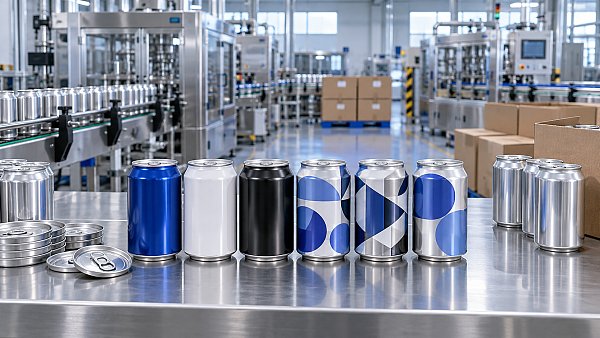
 Supply Chain InsightsHow to find a custom-printed ring-pull can supplier for small ordersFind a custom printed ring pull cans supplier for small orders. Compare MOQs, printing options, samples, and delivered costs to launch confidently without excess inventory.Oct 15, 2026
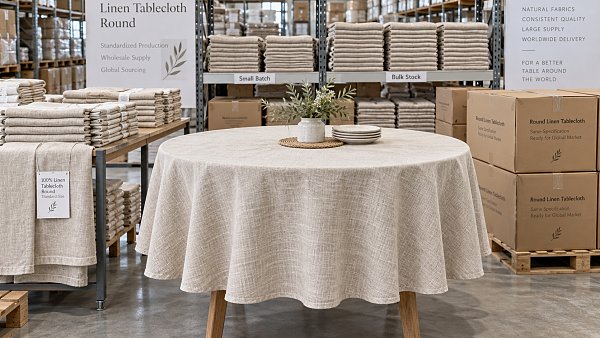
 Home DecorHow order size affects wholesale prices for round linen tableclothsBuying round linen tablecloths wholesale? Discover how order size, freight, and inventory costs affect pricing—and choose the right quantity to maximize real savings.Interior Sourcing LeadOct 14, 2026
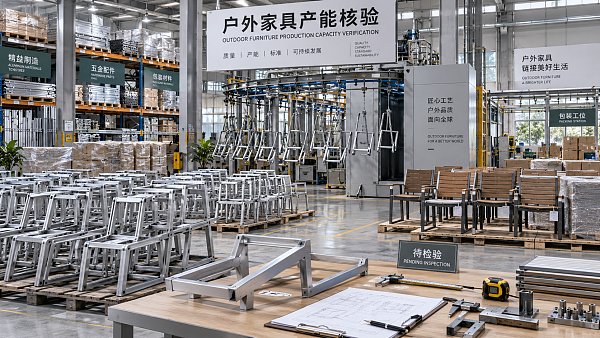
 Outdoor FurnitureHow to verify outdoor furniture manufacturers' production capacityCan outdoor furniture manufacturers deliver on time? Learn how to verify production capacity, uncover bottlenecks, and validate supplier commitments before placing your next order.Interior Sourcing LeadOct 13, 2026
 Commercial DisplaysWhat makes an outdoor digital signage display manufacturer reliable?Discover how to choose a reliable outdoor digital signage display manufacturer with proven weather protection, quality control, smart visibility, and responsive after-sales support.Commercial Tech EditorOct 12, 2026