Industry News
Curation by industry experts
Hot Articles
Popular Tags
What Should Buyers Do When Verified Supplier Components Arrive Damaged?
When a shipment of industrial components arrives damaged, the immediate temptation is to open the cartons, sort the usable pieces from the bad ones, and keep production moving. That reaction is understandable—and often costly. Once goods are mixed into inventory, installed, repacked, or discarded, it becomes harder to prove where the damage occurred, how extensive it is, and who should carry the loss.
This problem can happen even when the factory is a verified supplier with a solid history, audited facilities, and acceptable pre-shipment inspection records. Verification reduces sourcing risk; it does not eliminate transport shocks, container moisture, packaging failures, handling errors, or an occasional mismatch between approved packaging and what was actually shipped. The right response is disciplined rather than confrontational: protect the evidence, contain the operational impact, determine the damage mechanism, and require a remedy that is commercially workable.
Do not sign off on the shipment as fully accepted
The first hours after delivery matter. If visible damage is present—crushed pallets, torn cartons, wet packaging, broken seals, bent crates, or loose parts—record an exception on the delivery receipt before the carrier leaves whenever possible. A clean signature may not always prevent a later claim, but it can give the carrier or insurer room to argue that the goods were received in apparent good condition.
Ask the receiving team to avoid language that implies a final quality acceptance. “Received subject to inspection” is usually more appropriate than confirming that all goods are complete and undamaged. The exact wording and deadline for notice depend on the sales contract, Incoterms rule, carrier terms, cargo insurance policy, and local law, so buyers should check their own documents rather than relying on a generic rule.
There is an important distinction here. A container can look sound while internal goods are damaged by inadequate dunnage, poor pallet stabilization, insufficient corner protection, or vibration during transport. Conversely, visible external damage does not prove that every unit inside is unusable. Treat the shipment as potentially nonconforming until the inspection is complete.
Secure evidence before anyone starts “cleaning up”
For buyers asking, “What to do if industrial components from verified suppliers arrive damaged?”, the practical answer begins with evidence preservation. Take photographs and video before unloading, during unloading, and after the affected cartons or pallets are opened. Wide shots establish the condition of the truck, container, pallet stack, and outer packaging. Close shots should capture impact points, moisture staining, broken straps, collapsed dividers, damaged labels, part numbers, lot codes, and the component defects themselves.
Keep the original packaging, including damaged cartons, foam inserts, wooden crates, desiccant packs, seals, and pallet wrap. These materials can reveal whether the loss is likely related to transit handling, humidity exposure, packaging design, or a packing error at origin. Throwing them away may make the warehouse neater, but it can weaken the claim.
The receiving report should connect each damaged quantity to the purchase order, packing list, bill of lading or air waybill, shipment date, container number where relevant, and receiving date. Do not rely solely on a rough estimate such as “several boxes damaged.” If 40 fastener cartons are crushed but only three lots are affected, that difference matters. If display modules have cracked housings but intact electrical connections, that also needs to be recorded separately from a full functional failure.
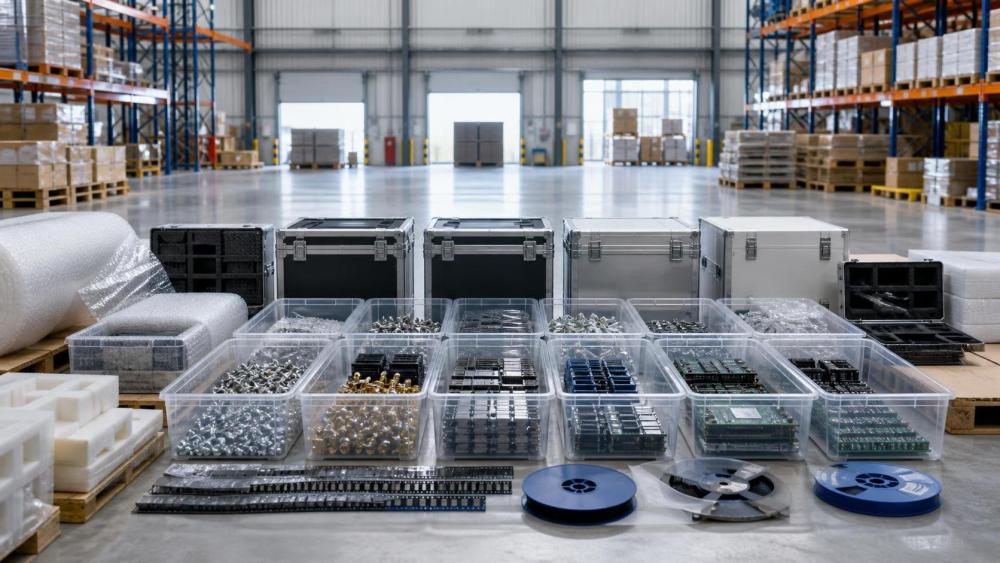
A useful damage record should answer four questions
- What arrived in a visibly compromised condition?
- How many units, cartons, or lots are affected?
- Is the damage cosmetic, dimensional, functional, safety-related, or potentially hidden?
- What evidence links the issue to packing, loading, transport, storage, or handling?
This record should be factual. Avoid premature statements such as “supplier caused the damage” before the facts support that conclusion. Procurement teams need leverage, but they also need credibility when discussing a claim with the factory, freight forwarder, insurer, or inspection provider.
Quarantine first, then inspect according to the component risk
Damaged goods should be physically and digitally quarantined. Mark the affected pallets, prevent them from being issued to production, and create a clear inventory status in the ERP or warehouse system. A mixed stock situation is one of the most common avoidable problems in damage disputes. Once good and suspect components are blended, tracing lot-level exposure becomes difficult.
Not every damaged carton means every component must be rejected. But neither should a buyer assume that a part is acceptable because it still looks usable. The inspection depth should match the component and its intended application.
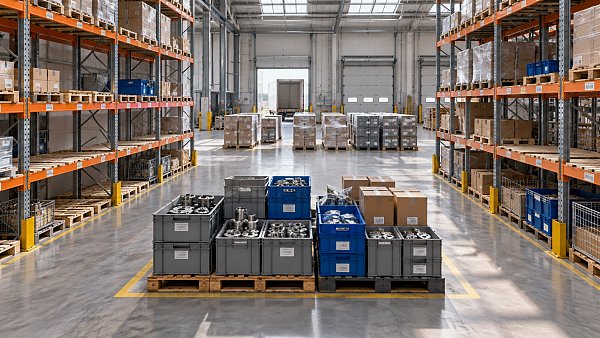
For hardware and fasteners, inspect for thread deformation, corrosion, plating damage, bent shafts, mixing of grades, and damage to protective coatings. A dented carton of screws may be a minor packaging issue; a shipment of structural fasteners exposed to moisture may require more careful review. For commercial lighting and electronic displays, housing cracks, connector damage, moisture exposure, electrostatic protection failures, and broken internal mounting points can create hidden reliability problems. In packaging and printing, crushed cartons may still be usable for secondary packaging, while distortion in food-contact or retail-facing packaging could be unacceptable. Furniture hardware, upholstered materials, and decorative surfaces need separate evaluation because surface damage, moisture, odor, warping, and missing fittings do not carry the same operational consequences.
Where parts affect safety, regulatory compliance, electrical performance, load-bearing capacity, or downstream assembly tolerances, it is usually sensible to involve engineering or quality assurance before any concession is approved. The lowest-cost decision is not always the cheapest one once line stoppages, rework, field failures, or customer rejection are considered.
Notify the supplier quickly—but give them a usable problem statement
A verified supplier should be informed promptly, ideally with a concise initial notice while the evidence is fresh. The first message does not need to contain a final root-cause conclusion. It should identify the purchase order, shipment reference, date received, affected products, known quantities, visible condition, and immediate production risk. Include representative photos and state that the goods are on hold pending inspection.
The most productive supplier conversations are specific. “Your goods were poor quality” rarely leads anywhere. “Twenty cartons of plated M8 bolts from lot X show water staining and surface oxidation; outer cartons were wet on arrival; inventory is quarantined; we need a disposition plan by tomorrow” gives the factory something it can investigate.
Ask the supplier to review its packing specification, loading photographs, pre-shipment inspection notes, pallet configuration, and any records of container condition at loading. A reliable supplier may be able to show whether the goods left in acceptable condition and whether the agreed packaging was used. That information does not automatically settle liability, but it helps separate a manufacturing issue from a logistics issue.
Work out responsibility without losing sight of recovery speed
Responsibility often follows the agreed Incoterms rule and the contract’s risk-transfer clause, but operational reality is more complicated. A buyer may bear transit risk under the agreed terms while still expecting the supplier to support an insurance claim, provide evidence, or expedite replacement parts. A supplier may be contractually responsible for delivery to a named place but reasonably challenge damage caused by warehouse handling after delivery.
Do not confuse commercial responsibility with the immediate need to protect production. If a missing batch will stop an assembly line, the replacement decision may need to be made before every claim detail is resolved. In that situation, separate the two workstreams: one team manages recovery and continuity; another preserves evidence and handles the cost allocation.
Potential remedies typically include replacement shipment, credit note, partial refund, rework authorization, local sorting costs, or a negotiated concession for usable but cosmetically affected stock. The appropriate remedy depends on whether the component can be safely used, whether it can be reworked without invalidating a warranty, and whether a replacement lead time will cause greater loss than local remediation.
Be cautious with a supplier’s offer to “use the parts as they are.” That may be reasonable for noncritical outer packaging or superficial surface scuffs. It is not an adequate answer when fit, function, corrosion resistance, electrical safety, or end-customer appearance is uncertain. Any use-as-is concession should be documented, approved by the appropriate technical authority, and limited to the identified lot.
Make the corrective action about prevention, not just compensation
A replacement shipment solves today’s shortage. It does not solve the next shipment’s exposure. Buyers should request a corrective action response that addresses the actual failure mechanism. If the root issue was poor pallet bracing, the answer may involve revised load diagrams, stronger corner boards, stretch-wrap requirements, or changes to carton stacking height. If moisture was involved, the review may need to consider container preparation, liner use, desiccant strategy, carton material, storage time at port, and whether moisture-sensitive components had suitable barrier packaging.
For precision hardware, inspect whether inner packaging prevents part-on-part impact. For lighting assemblies and displays, ask whether fragile components have adequate internal restraint and whether shock-sensitive items need handling indicators or improved crate design. For printed materials and textiles, the concern may be compression, abrasion, contamination, or humidity rather than breakage. The corrective action should fit the product, not simply apply a generic “improve packaging” statement.
It is also worth checking whether packaging specifications exist as controlled documents. A purchase order may define the part but say little about how the part must survive its journey. That gap is common. Clear specifications can cover unit pack quantities, allowable stacking, protective materials, labeling, moisture protection, pallet dimensions, handling marks, and photo records before dispatch. They should be practical enough for the factory and logistics provider to follow, not a compliance exercise no one uses.
Should a damaged shipment affect supplier status?
Not automatically. A verified supplier that responds quickly, shares records, funds or supports a practical remedy, and implements a credible preventive action may remain a strong partner. In fact, the response to a failure can be more informative than a flawless sample run. Global sourcing always includes variables outside a factory’s direct control, particularly across long transit lanes and multiple handoffs.
That said, certain patterns should trigger a broader review: repeated packaging failures, inconsistent lot traceability, delayed notification responses, pressure to accept questionable stock, refusal to provide loading evidence, or corrective actions that never appear in later shipments. Verification should be treated as an ongoing process, not a one-time badge.
This is where sector-specific market intelligence is useful. Global Supply Review tracks practical sourcing issues across textiles and apparel, packaging and printing, hardware and fasteners, lighting and displays, and furniture and decor—categories where the visible damage may conceal very different commercial risks. A buyer evaluating a bent fastener, a wet paperboard carton, or a cracked lighting enclosure should not apply the same acceptance logic to all three.
A short post-incident review can prevent a larger disruption
Once the immediate claim is stabilized, review the event with procurement, quality, logistics, warehouse operations, and the supplier. Keep the discussion concrete: Was the damage detected before signing? Were photos sufficient? Did the receiving team know which lots were critical? Did the contract clearly allocate risk? Was cargo insurance appropriate for the shipment? Could a small buffer stock, split shipment, or pre-dispatch packing check have reduced the production impact?
The point is not to create more paperwork after every dented box. It is to identify the weak link that turned a manageable transport issue into a costly interruption. When verified supplier components arrive damaged, the best buyers protect evidence, avoid rushed acceptance, make a technically sound disposition decision, and insist that the next shipment is better protected than the last one.
Recommended News
 Eco PackagingHigher Fees Urged for Hard-to-Recycle Plastics Under California’s EPR PlanCalifornia’s EPR plan faces calls for higher fees on hard-to-recycle plastics. Explore potential packaging cost impacts and how to prepare while adoption remains unconfirmed.Packaging Supply ExpertOct 20, 2026
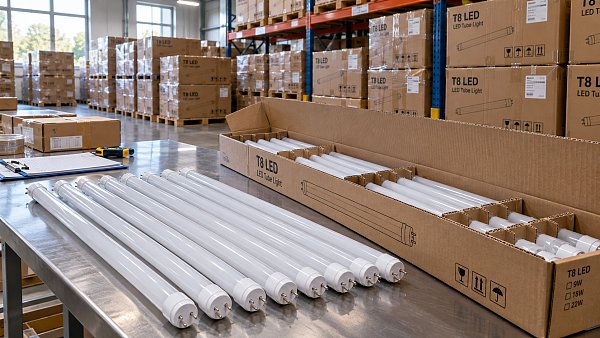
 Commercial LEDHow much should you pay per T8 LED tube when buying in bulk?Compare T8 LED tube price quotes for bulk orders and uncover hidden installation, freight, and warranty costs. Learn how to choose compliant tubes at the best total value.Commercial Tech EditorOct 20, 2026
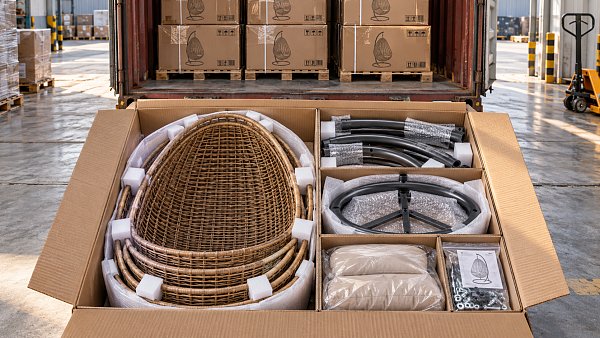
 Outdoor FurnitureHow packaging affects freight costs for wholesale wicker egg chairsExplore wicker egg chair wholesale packaging strategies to cut freight costs, improve container loading, and protect profits. Compare packing options for lower landed costs.Interior Sourcing LeadOct 19, 2026
 Supply Chain InsightsHow to use supply chain resilience metrics to assess recovery riskUse supply chain resilience metrics to compare recovery time, survival buffers, and financial exposure. Learn how to assess disruption risk and prioritize mitigation that protects service.Oct 18, 2026