Industry News
Curation by industry experts
Hot Articles
Popular Tags
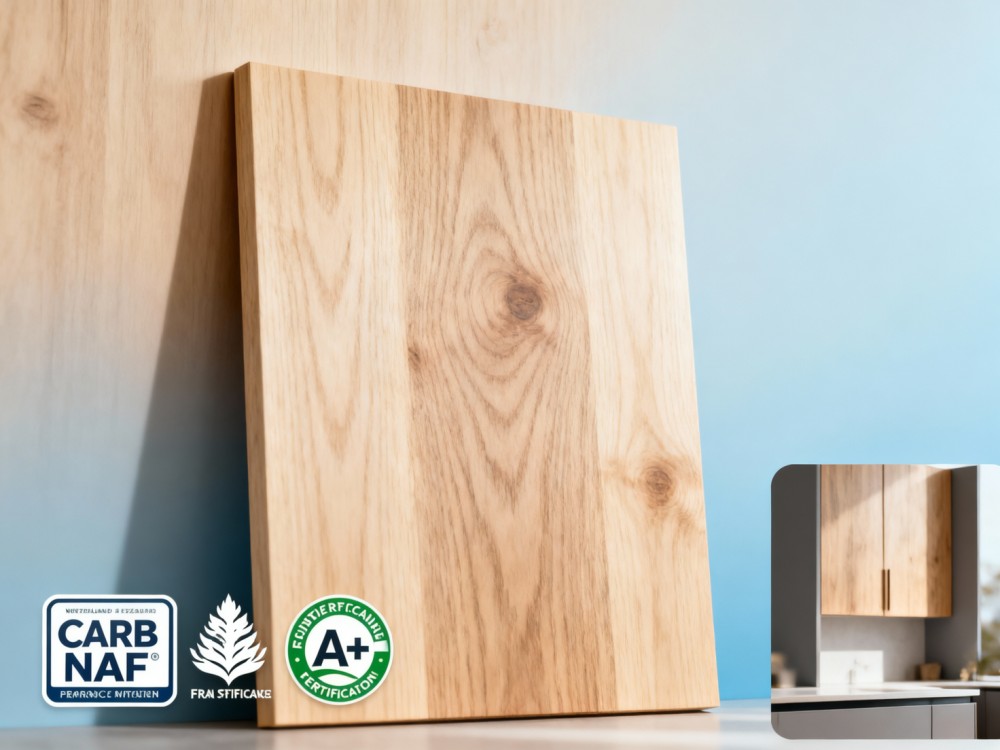
Thousand-year Boat's New Zealand Pure Pine Board Achieves Dual CARB NAF & French A+ Certifications, Becomes Preferred Base Material for North American Custom Cabinet Doors
Thousand-year Boat's New Zealand Pure Pine Board Achieves Dual CARB NAF & French A+ Certifications, Becomes Preferred Base Material for North American Custom Cabinet Doors
Introduction
On March 26, 2026, Thousand-year Boat announced that its New Zealand Pure Pine Board series has obtained dual certifications from CARB NAF (No Added Formaldehyde) and French A+ (the highest indoor air quality rating). This achievement has led major North American custom storage brands like Closets Inc. (USA) and Organized Living (Canada) to designate it as their preferred base material for cabinet doors. This development is particularly relevant for the building materials, furniture manufacturing, and international trade sectors, as it addresses growing concerns about formaldehyde emissions and indoor air quality in residential and commercial spaces.
Event Overview
The official announcement on March 26, 2026 confirmed that Thousand-year Boat's New Zealand Pure Pine Board has successfully passed two rigorous international certifications: CARB NAF (California Air Resources Board - No Added Formaldehyde) and French A+ (the highest tier in France's indoor air quality emission standard). As a result, several leading North American custom storage brands have adopted this material as their primary choice for cabinet door substrates. The certifications are expected to significantly reduce customs inspection risks for North American importers and support LEED v4.1 healthy building material credit applications for end products.
Impact on Specific Industries
Custom Furniture Manufacturers
For manufacturers specializing in custom cabinets and storage solutions, this development signals a shift toward higher-grade, certified materials. The dual certification provides a competitive edge in markets where indoor air quality and environmental standards are increasingly regulated.
Building Material Importers/Distributors
Importers and distributors dealing with North American markets will benefit from reduced customs clearance risks. Products with CARB NAF certification typically face fewer inspections and delays, streamlining supply chain operations.
Green Building Projects
For projects pursuing LEED v4.1 certification, the availability of dual-certified materials creates new opportunities to earn credits in the Materials and Resources (MR) and Indoor Environmental Quality (IEQ) categories.
Key Considerations for Industry Players
1. Certification Verification
Businesses should verify the scope and validity of these certifications, particularly whether they cover all product lines or specific variants. Authentic certification documents should be requested from suppliers.
2. Supply Chain Adjustments
Manufacturers using alternative substrates may need to evaluate potential shifts in procurement strategies, especially if their clients start demanding CARB NAF/A+ certified materials.
3. Marketing and Compliance Alignment
Companies should review product claims to ensure alignment with certification requirements, avoiding potential greenwashing accusations while leveraging legitimate environmental credentials.
4. Cost-Benefit Analysis
The premium for certified materials versus conventional alternatives warrants careful analysis, particularly for price-sensitive market segments.
Industry Perspective
From an industry standpoint, this development reflects three key trends: 1) The globalization of environmental standards, where certifications from one region gain recognition elsewhere; 2) The growing importance of indoor air quality in material selection; and 3) The convergence of regulatory compliance and market preference toward healthier building products. While this represents a significant milestone for Thousand-year Boat, the broader implication is the continued elevation of material standards across the furniture and construction industries.
Conclusion
This certification achievement represents more than just a product milestone—it signals the increasing importance of international environmental standards in global trade and construction practices. For industry participants, the immediate takeaway should be heightened attention to material certifications as both a compliance requirement and competitive differentiator. As regulations continue to evolve, proactive adaptation to these standards will likely become essential rather than optional for businesses operating in environmentally conscious markets.
Information Sources
Primary source: Thousand-year Boat official announcement dated March 26, 2026. Additional context drawn from publicly available CARB and French A+ certification standards. Market adoption data based on disclosed partnerships with Closets Inc. and Organized Living. Ongoing monitoring recommended for updates regarding certification maintenance and additional brand adoptions.
Recommended News
 Carton & PlasticsHow to assess seam quality in 250ml aluminum beverage cansLearn how to assess seam quality in 250ml aluminum beverage cans with practical visual checks, precise measurements, teardown methods, and defect-control guidance.Packaging Supply ExpertSep 28, 2026
 Carton & PlasticsWhat drives breakage rates in bulk wine bottles wholesale orders?Bulk wine bottles wholesale buyers: discover what drives breakage rates, from glass quality and packaging to pallet loading, and reduce costly claims.Packaging Supply ExpertSep 27, 2026
 Office FurnitureHow supplier scorecards reduce risk in furniture procurementFurniture procurement supplier management becomes more resilient with supplier scorecards that track quality, delivery, compliance, and corrective actions. Learn how to reduce sourcing risk.Interior Sourcing LeadSep 26, 2026
 Office Paper & Printing PaperHow roll diameter affects downtime when using jumbo paper rollsJumbo paper rolls can cut changeovers and downtime—if your unwinder, handling, and tension control can support them. Find the optimal roll diameter for smoother output.Packaging Supply ExpertSep 25, 2026