Industry News
Curation by industry experts
Hot Articles
Popular Tags
How to Choose Rustproof Cast Aluminum Patio Sets That Last Outdoors
How to Choose Rustproof Cast Aluminum Patio Sets That Last Outdoors
Choosing rustproof cast aluminum patio sets can make the difference between outdoor furniture that lasts for years and pieces that quickly lose their appeal. For homeowners who want durability, low maintenance, and timeless style, understanding material quality, protective finishes, and weather resistance is essential. This guide will help you identify what truly matters before you buy, so you can invest in a patio set that performs beautifully in every season.
If you have been shopping for outdoor furniture for more than five minutes, you have probably seen the phrase “rustproof cast aluminum” everywhere. It sounds reassuring, but it does not tell you enough. Some sets really do hold up through rain, heat, and seasonal storage. Others start showing finish failure, chalking, wobble, or corrosion around hardware long before buyers expect it.
The practical question is not whether cast aluminum can work outdoors. It can. The real question is how to tell a well-made set from one that only looks good on a product page.
Start with the part most people skip: confirm it is actually cast aluminum
A surprising number of buyers lump together cast aluminum, tubular aluminum, steel with a coating, and mixed-material frames. That is where mistakes begin. If you want the durability benefits people associate with rustproof cast aluminum patio sets, check the product description closely and look for consistency across the frame, chairs, and table base.
- Cast aluminum is usually used for sculpted frames, decorative backs, curved legs, and solid-feeling tabletops or bases.
- Extruded or tubular aluminum is not automatically bad, but it is different in feel and structure.
- If any primary load-bearing part is steel, the set is no longer effectively rustproof in the way most homeowners expect.
Ask for the frame material in writing if the listing is vague. “Metal patio set” is not a useful answer.
Weight tells you a lot, but only when you interpret it correctly
People often hear “lightweight aluminum” and assume lighter is better. For small balcony chairs, maybe. For a full outdoor dining set in an open yard, ultra-light pieces can be annoying to live with. They shift, feel less planted, and may be more prone to movement in wind.
Well-made cast aluminum usually has more substance than bargain-grade aluminum furniture. You do not need the heaviest set on the market, but you do want enough weight that the table feels stable and the chairs do not feel hollow or flimsy when you sit down.
If you are comparing two similar sets and one is dramatically lighter, look harder at wall thickness, connection points, and base stability rather than treating low weight as a win.
Do not judge the finish by color alone
The finish is where a lot of long-term satisfaction is won or lost. Cast aluminum itself does not rust like iron or untreated steel, but outdoor furniture still depends heavily on surface protection. Poor finishing can lead to oxidation, bubbling, peeling, or a tired, chalky appearance.
Powder coating is common and often preferable for outdoor use, but “powder-coated” by itself is not proof of quality. A thin or poorly applied coating can fail early, especially around edges, feet, and joints. If the brand provides finish details, look for mentions of multi-step surface preparation or outdoor-rated powder coating. If they provide none, that does not mean the set is bad, but it does mean you are buying with less visibility.
A quick in-person check helps:
- Run your hand under the arms and table edge.
- Look for thin spots, rough overspray, or pinholes.
- Inspect the bottom of the legs and hidden corners, because weak finishing often shows there first.
This sounds fussy, but it is usually faster than dealing with a warranty claim later.
Hardware is a small detail until it stains your patio
One of the most common weak points in outdoor sets is not the frame. It is the bolts, screws, washers, and brackets. A cast aluminum frame can hold up well while low-grade steel fasteners corrode, seize, or leave rust marks.
If the seller specifies stainless steel hardware, that is a useful positive signal. If they do not specify anything, ask. In coastal areas, this matters even more because salt air is hard on exposed metal components of all kinds.
Also check whether replacement hardware is available. That is not glamorous shopping, but it is the kind of detail that separates disposable furniture from furniture you can keep in service.
Match the set to your climate, not just your taste
A rustproof cast aluminum patio set that works beautifully in a covered suburban patio may age differently on a rooftop, poolside deck, desert yard, or coastal terrace. The material is versatile, but exposure conditions are not all the same.
If you live near the coast, be careful with blanket “rustproof” claims. The term is widely used in retail, but performance still depends on coating quality, hardware, and maintenance routine.
Look at the joints, welds, and attachment points longer than you look at the pattern
Decorative backrests and ornate table designs sell furniture. Structural details keep it usable. If you are seeing the set in person, crouch down and inspect the underside. If you are buying online, zoom in on connection points and read reviews for wobble, alignment, and assembly problems.
Red flags include uneven joins, visible gaps where components meet, rocker or swivel mechanisms that already look underbuilt, and legs that seem too narrow for the chair size. With dining chairs especially, arm connections and seat support areas deserve attention because those are common stress zones over time.
A pretty lattice pattern is easy to copy. Good engineering is harder to fake.
Be honest about cushions, because they usually age faster than the frame
Homeowners sometimes choose a set because the cushions look plush in the photos, then blame the furniture when the seating starts looking tired. In many cases, the cast aluminum frame still has years left, while the cushion covers or foam have become the weak link.
If cushions are included, check whether the fabric type is named, whether covers are removable, and whether replacements are sold. Some brands mention solution-dyed acrylic or olefin fabrics; if they do, verify those details in the listing or care guide rather than assuming performance. If fabric specifications are absent, factor replacement cost into your decision.
For many buyers, a better long-term move is choosing the stronger frame first and treating cushions as an upgradeable accessory.
Ask what maintenance actually means
“Low maintenance” is true for cast aluminum compared with many other outdoor materials, but it does not mean no maintenance. You still want clear care instructions. A reliable seller should be able to tell you how to clean the finish, whether touch-up paint is available, and how the set should be stored or covered in off-seasons.
In real use, simple habits matter more than buyers expect: rinsing off pollen or salt residue, not trapping moisture under a poor-quality cover, and tightening hardware after the first period of use. These are small jobs, but they directly affect how long outdoor furniture stays solid and presentable.
Warranty language is worth reading line by line
A long warranty can be helpful, but only if it clearly states what is covered. Some outdoor furniture warranties distinguish between frame defects, finish failure, fabric wear, and normal weathering. That distinction matters.
Pay attention to whether the warranty excludes commercial use, saltwater exposure, or surface changes caused by environment. Those exclusions are not unusual, but you want to know them before buying. If the terms are hard to find, that is not a great sign. If the seller cannot explain the difference between structural and cosmetic coverage, keep looking.
Reviews are useful when you read for patterns, not emotions
One angry review and one glowing review can both be misleading. What helps is repeated mention of the same issue: finish chipping on edges, loose chair arms, difficult assembly, water pooling on seats, missing hardware, or cushions fading quickly.
Also watch timing. A product with only fresh reviews may not tell you much about outdoor longevity. Reviews written after one or two seasons are more valuable, though they are not always easy to find.
If you are buying online, prioritize sellers that provide detailed dimensions, material disclosures, care guidance, and replacement-part support over sellers that rely mostly on styled lifestyle photos.
A quick decision checklist before you place the order
- Confirm the main frame is genuinely cast aluminum, not vaguely described mixed metal.
- Check product weight and stability for your setting, especially if your patio gets wind.
- Look for signs of a durable outdoor finish rather than relying on the word “powder-coated” alone.
- Ask what hardware is used and whether replacement parts are available.
- Match the set to your climate, with extra caution for coastal exposure.
- Evaluate joints, leg design, and moving parts before decorative styling.
- Treat cushions as a separate durability question.
- Read the warranty for actual coverage, exclusions, and finish terms.
The best rustproof cast aluminum patio sets are usually not the ones with the loudest marketing claims. They are the ones where the material, finish, hardware, and design details all make sense together for the way your outdoor space is really used.
If you are deciding between two similar options, choose the set with clearer construction details and better long-term support, even if the styling feels slightly less dramatic on day one. That is the version you are more likely to still like after a few summers outdoors.
Recommended News
 Supply Chain InsightsHow order size affects wholesale heavy-duty swivel caster pricesSourcing swivel heavy duty casters wholesale? Discover how order size, volume discounts, freight, and inventory costs shape pricing so you can negotiate a better deal.Oct 25, 2026
 Commercial LEDSignify Q3 2026 Earnings: €28 Million Tariff Refund Lifts ProfitExplore Signify Q3 2026 earnings: a reported €28 million tariff refund lifts profit as comparable sales fall 3.4%. Discover the implications for lighting costs and demand.Commercial Tech EditorOct 24, 2026
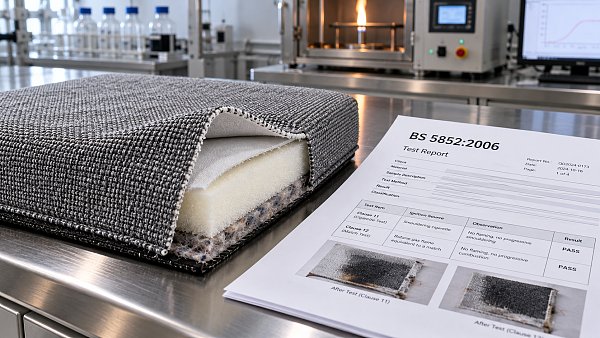
 Fabrics & YarnsHow to check BS 5852 test reports for fire retardant upholstery fabricChoosing fire retardant fabric for upholstery? Learn how to check BS 5852 reports, verify ignition sources and match tested constructions for confident purchasing decisions.Textile Industry AnalystOct 24, 2026
 Export UpdatesChina’s Textile and Apparel Exports Rise 21.5% in September, Up 5.1% Year to DateChina’s textile and apparel exports rose 21.5% in September and 5.1% year to date. Explore the figures and key signals to watch for sustained industry growth.Oct 23, 2026