Industry News
Curation by industry experts
Hot Articles
Popular Tags
CIFF Guangzhou Awards Honor Low-Carbon Facade System
Introduction
On March 29, 2026, the CIFF Guangzhou 'Huazhuan Star' Design Awards announced its winners, with Hunan University's modular low-carbon facade system winning the gold prize in the office/commercial category. This system, utilizing domestic recycled aluminum and fluorine-free thermal barriers, has achieved dual certification from UL GREENGUARD and LEED v4.1, and has been included in the EU's Green Public Procurement Whitelist. This development is particularly relevant for the construction materials, green building, and international trade sectors, as it signals growing opportunities for Chinese sustainable materials in global high-end projects.

Event Overview
The CIFF Guangzhou 'Huazhuan Star' Design Awards recognized innovative designs across various categories on March 29, 2026. Hunan University's team received the gold prize in the office/commercial category for their modular low-carbon facade system. The system features domestically sourced recycled aluminum and fluorine-free thermal insulation materials. It has obtained both UL GREENGUARD and LEED v4.1 certifications, and has been officially added to the EU's Green Public Procurement Whitelist for public buildings.
Impact on Specific Industries
Construction Materials Manufacturers
The recognition of this Chinese-developed system in international markets may create new opportunities for domestic manufacturers of sustainable building materials. The specific use of recycled aluminum and fluorine-free components suggests these materials may see increased demand.
Green Building Consultants
With the system achieving both UL and LEED certifications, green building professionals may need to familiarize themselves with this technology as it could become a preferred solution for projects pursuing these certifications.
International Trade Firms
The inclusion in the EU procurement whitelist indicates potential for increased exports of Chinese sustainable building products to European markets, particularly for public sector projects.
Key Focus Areas and Recommended Actions
Monitor Certification Requirements
Companies in related fields should examine the specific certification requirements met by this system (UL GREENGUARD and LEED v4.1) as these may become benchmarks for similar products.
Evaluate Supply Chain Adaptability
Manufacturers should assess their ability to source or produce the key components (recycled aluminum, fluorine-free materials) that contributed to this system's success.
Track EU Procurement Trends
The inclusion in the EU whitelist suggests changing attitudes toward Chinese sustainable building products in Europe. Companies should monitor subsequent procurement patterns and policy developments.
Editor's Perspective
From an industry viewpoint, this award represents more than just recognition for a single project. It indicates growing international acceptance of Chinese-developed sustainable building technologies. While the immediate commercial impact may be limited to specific projects, the long-term implications for China's construction materials export strategy could be significant. The industry should view this as both a validation of current sustainable practices and a signal to further innovate in green building solutions.
Conclusion
The recognition of Hunan University's modular facade system at CIFF Guangzhou represents a notable development in the international green building sector. For industry participants, it serves as both a case study in successful sustainable design and an indicator of evolving market opportunities. The immediate takeaway should be focused on understanding the certification pathways and material innovations that enabled this achievement, rather than expecting immediate market shifts.
Source Information
Primary source: CIFF Guangzhou 'Huazhuan Star' Design Awards announcement, March 29, 2026. The actual commercial adoption and procurement outcomes following this recognition remain to be observed.
Recommended News
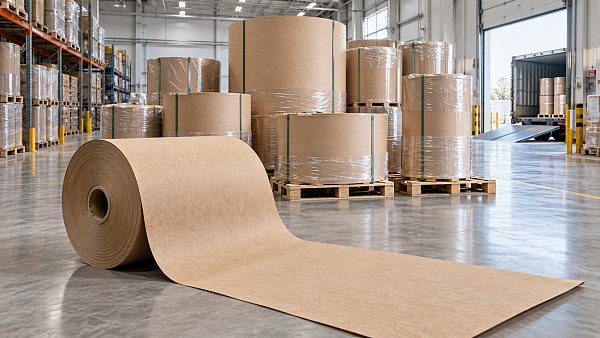
 Eco PackagingWhat affects the price of kraft paper rolls bought wholesale?Kraft paper rolls wholesale pricing depends on grade, basis weight, roll size, order volume, freight, and certifications. Learn how to compare landed costs and choose reliable value.Packaging Supply ExpertOct 03, 2026
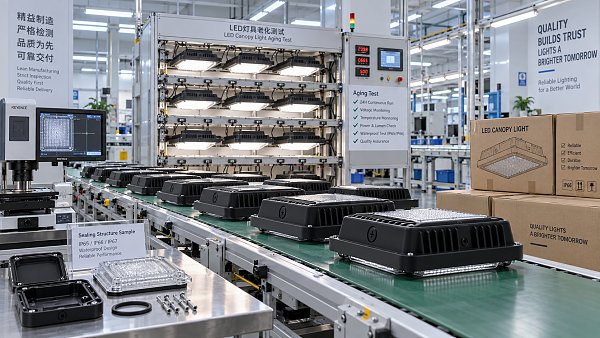
 Commercial LEDHow to evaluate a canopy lights factory before placing a bulk orderCanopy lights factory evaluation guide: verify specifications, compliance, quality control, capacity, and after-sales support before placing a bulk order.Commercial Tech EditorOct 02, 2026
 Commercial LEDHow to choose lighting systems that meet workplace safety needsLighting systems for workplace safety: learn how to control glare, improve visibility, meet environmental demands, and protect workers with reliable, compliant lighting choices.Commercial Tech EditorOct 01, 2026
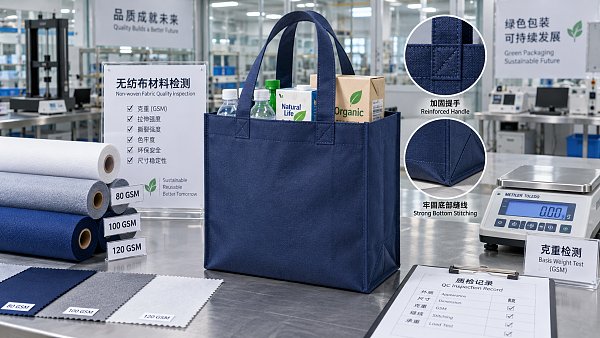
 Fabrics & YarnsWhat fabric weight works best for reusable non woven fabric bags?Non woven fabric for bags: discover the best GSM range for durability, load capacity, print quality, and cost-effective reusable bag sourcing.Textile Industry AnalystSep 30, 2026