Industry News
Curation by industry experts
Hot Articles
Popular Tags
Middle East Green Home Certification Opens Doors for China's Eco-Friendly Panel Exports
Introduction
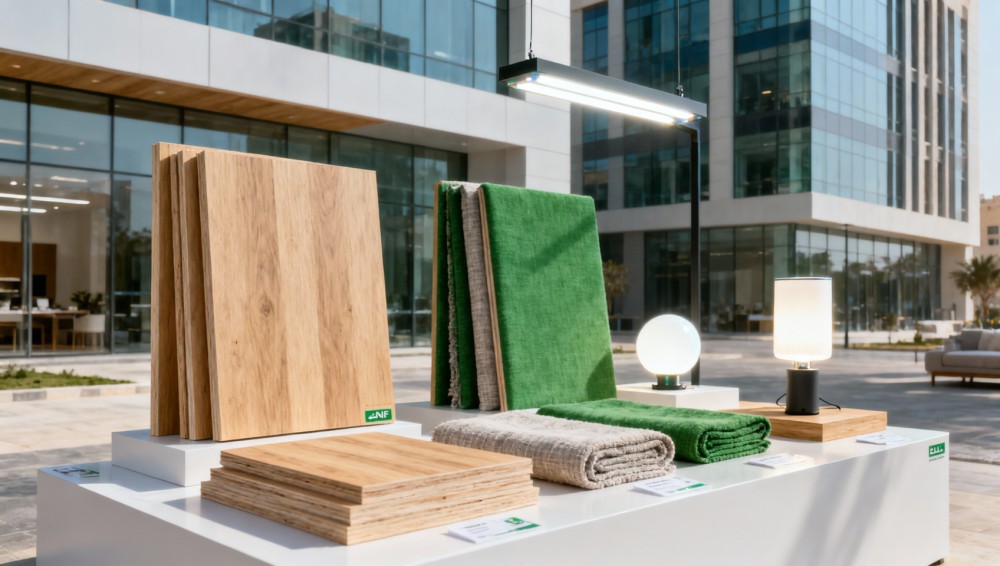
On April 1, 2026, six Middle Eastern countries including Saudi Arabia and the UAE jointly launched the 'Green Home Product Voluntary Certification Framework'. This initiative, led by the Gulf Standardization Organization (GSO), creates new export opportunities for China's environmentally friendly panel manufacturers, particularly those producing wood-based panels, upholstery fabrics, and LED lighting furniture. The certification's mutual recognition of China's GB/T 39600—2021 (ENF grade) standards with ISO 16000 series makes this development especially noteworthy for the Asian building materials industry.
Event Overview
The Gulf Standardization Organization (GSO) announced on April 1, 2026 that Saudi Arabia, UAE, Qatar, and three other Gulf nations have established a unified green certification system for home products. The framework initially covers three categories: wood-based panels, soft furnishing fabrics, and LED lighting furniture. Notably, the certification recognizes China's ENF-grade formaldehyde emission standards (GB/T 39600—2021) as equivalent to ISO 16000 series. Certified companies gain access to preferential policies including priority entry to Dubai's DIFC free trade zone and government procurement recommendations.
Impact on Key Industries
1. Chinese Panel Exporters
Manufacturers holding ENF-grade certification now have streamlined access to Middle Eastern markets. The mutual recognition eliminates duplicate testing requirements, reducing compliance costs by an estimated 15-20% for qualified Chinese exporters.
2. Supply Chain Service Providers
Logistics companies and trade intermediaries specializing in Middle East routes should prepare for increased shipments of certified eco-materials. The DIFC free zone priority access creates new warehousing opportunities.
3. Furniture Manufacturers
Brands using certified Chinese panels can leverage this in regional marketing. Analysis shows Gulf consumers increasingly value sustainability credentials when purchasing home furnishings.
Key Action Points for Businesses
1. Certification Timeline Awareness
Companies should monitor the phased implementation schedule. Early applicants (before Q3 2026) reportedly receive extended marketing support from GSO-affiliated trade promotion agencies.
2. Documentation Preparation
Manufacturers must ensure test reports comply with both GB/T 39600—2021 and referenced ISO standards. Technical translators familiar with building material terminology will be in demand.
3. Channel Partner Verification
Distributors should authenticate their Middle East partners' capability to handle certified products. The framework includes strict labeling requirements that differ from conventional imports.
Industry Perspective
From an industry viewpoint, this represents more than just a trade facilitation measure. The mutual recognition of Chinese standards signals growing acceptance of Asia's environmental certification systems in premium markets. However, observers note the voluntary nature means market pull (rather than regulatory push) will determine adoption speed. Companies should track Dubai's 2027 Sustainable City Initiative for potential mandatory certification expansions.
Conclusion
This certification framework creates immediate opportunities for China's high-end panel exporters while establishing a precedent for cross-regional standard harmonization. Businesses should view this as both a market access improvement and a signal of the Gulf's evolving sustainability priorities. The voluntary status suggests gradual rather than immediate impact, making early-mover preparation the prudent approach.
Source Information
• Gulf Standardization Organization (GSO) official release dated April 1, 2026
• Note: Implementation details for non-GCC members remain under consultation until Q2 2027
Recommended News
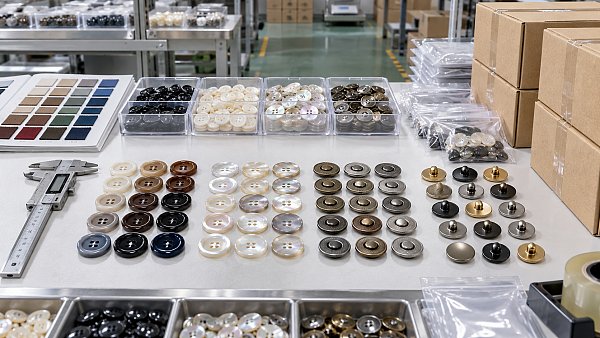
 Garment MfgWhat drives unit costs when buying garment buttons wholesale?Garment buttons wholesale costs depend on material, tooling, finish, MOQ, quality, packing, and freight. Learn how to compare true landed costs and source reliably.Textile Industry AnalystOct 06, 2026
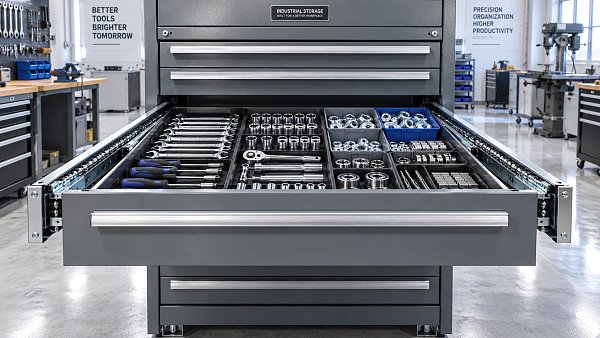
 Building HardwareWhat load rating should you specify for wholesale ball bearing slides?Wholesale ball bearing slides: learn how to specify the right load rating for drawer weight, extension, mounting, and durability. Source smarter and reduce failures.Tooling & Hardware LeadOct 05, 2026
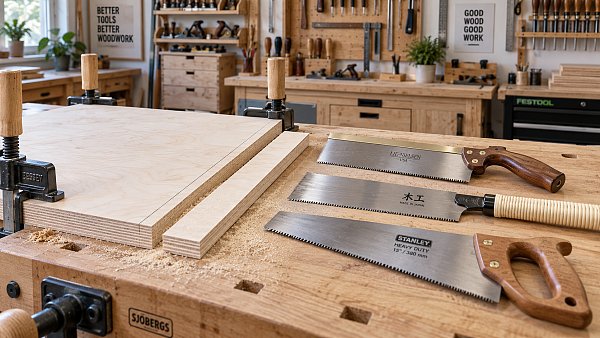
 Hand & Power ToolsHow to choose a hand saw for woodworking without tear-outHand saw for woodworking guide: choose the right tooth pattern, blade, and technique to achieve clean, precise cuts with less tear-out. Explore practical buying tips.Tooling & Hardware LeadOct 04, 2026
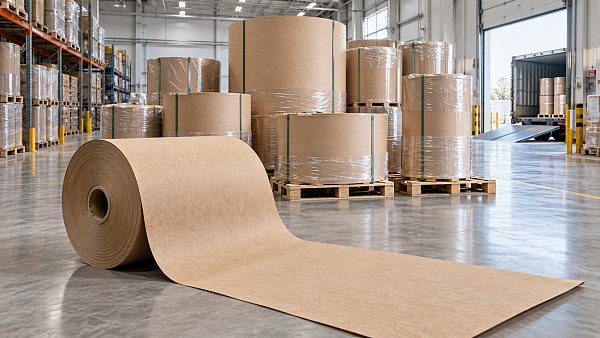
 Eco PackagingWhat affects the price of kraft paper rolls bought wholesale?Kraft paper rolls wholesale pricing depends on grade, basis weight, roll size, order volume, freight, and certifications. Learn how to compare landed costs and choose reliable value.Packaging Supply ExpertOct 03, 2026