Industry News
Curation by industry experts
Hot Articles
Popular Tags
Packaging Q3 Earnings Highlight Tariff Costs and Paperboard Disruption
Packaging companies reported contrasting operating pressures in the third quarter of 2026, according to a Packaging Dive earnings roundup. Cascades cited a C$4 million tariff impact involving products including corrugated boxes and molded pulp, while Elopak said a paperboard supply disruption continued to affect its Americas business. Greif, meanwhile, reported a 96% plant operating rate.
Together, the disclosures illustrate how tariffs, material availability and plant utilization can affect different parts of the packaging supply chain. They describe separate business conditions, however, and do not by themselves establish a common effect on all packaging producers.

Cascades reports tariff impact
Cascades identified a C$4 million impact from tariffs on products including corrugated boxes and molded pulp. The figure provides a specific measure of the tariff effect cited by the company, although it does not establish how the amount was distributed among products or how much could be reflected in customer pricing.
For affected packaging products, tariffs can enter the commercial discussion through the cost of supplying an order. The eventual effect on a producer or buyer depends on factors such as the products covered, the terms of sale and whether costs can be passed through. The Cascades disclosure shows that the impact is material enough to appear in its reported results; it does not establish the outcome of those pricing decisions.
Paperboard supply pressure continues for Elopak
Elopak said a paperboard supply disruption following an accident at the Nippon Dynawave mill continued to affect its Americas business. The company indicated that tight supply could extend into 2027.
The immediate issue for a packaging business is access to the material needed to serve orders. If availability remains constrained, the effects may be felt in production planning and delivery schedules. The duration and scale of those effects will depend on how paperboard supply develops and on the options available to the businesses affected.
The possibility of tight supply continuing into 2027 is an outlook, rather than a confirmed end date for the disruption. Subsequent company updates on material availability and the impact on Elopak's Americas operations will help clarify whether the pressure is easing or persisting.
Greif's operating rate provides a separate measure
Greif reported a 96% plant operating rate. That figure describes utilization of its facilities; it is not directly comparable with Cascades' tariff impact or Elopak's account of paperboard supply constraints. A high operating rate also does not, on its own, establish a company's profitability or the availability of capacity across the wider packaging market.
For readers following the quarterly disclosures, the distinction matters: Cascades quantified a tariff effect, Elopak described an ongoing material disruption and its possible duration, and Greif reported an operating measure. Each points to a different question about how packaging businesses are performing and what may influence their operations next.
Recommended News
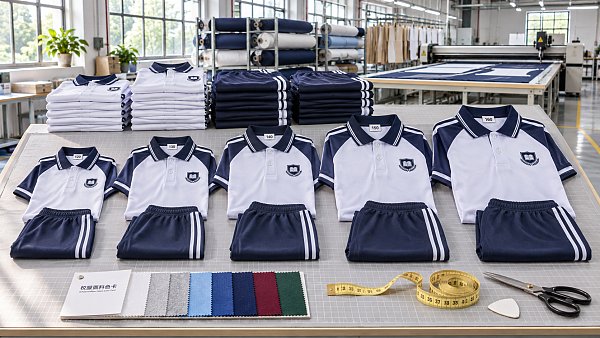
 Garment MfgHow do minimum order quantities affect custom school uniform costs?Custom school uniforms wholesale costs depend on minimum order quantities. Learn how to compare price breaks, manage inventory risk, and negotiate better terms.Textile Industry AnalystNov 18, 2026
 Eco PackagingVietnam Briefing Checklist Highlights EU Packaging Rules for BuyersEU packaging rules affect buyers sourcing from Vietnam. Explore the Vietnam Briefing checklist and key PPWR questions to verify before placing an order.Packaging Supply ExpertNov 17, 2026
 Commercial LEDHow to check voltage drop when buying 12V neon rope lights wholesaleBuying neon rope lights wholesale 12v? Learn how to test voltage drop, compare supplier claims, and avoid costly brightness issues before placing an order.Commercial Tech EditorNov 17, 2026
 Policy & RegulationsEU Proposal to Restrict Chinese Furniture Imports Draws Strong Industry OppositionEU proposal to restrict Chinese furniture imports faces industry opposition. Explore potential supply chain and cost impacts, and what buyers should watch.Nov 16, 2026