Industry News
Curation by industry experts
Hot Articles
Popular Tags
Die Cut Sticker Printing Manufacturer: Key Print Specs That Affect Reorder Consistency
Reorder consistency sits at the center of effective label control. In sticker supply chains, even minor variation between runs can trigger traceability gaps, inspection delays, applicator jams, or field complaints.
That is why a die cut sticker printing manufacturer should be evaluated by repeatability, not only by price, finish, or lead time. Stable output depends on disciplined control of substrate, adhesive, color, liner, tooling, and process records.
Across packaging, industrial marking, retail labeling, and product identification, the same issue appears repeatedly: a reorder may look acceptable at first glance, yet fail in application or compliance because one print specification drifted.
For organizations following global sourcing trends, this is increasingly relevant. Platforms such as Global Supply Review track how packaging and printing quality now intersects with supply chain resilience, ESG expectations, and documentation discipline across light manufacturing.
Why reorder consistency matters beyond appearance
A sticker is often treated as a small component. In practice, it carries product data, warning content, branding, inventory identifiers, and regulatory information. Its performance influences both operations and downstream risk.
When a die cut sticker printing manufacturer cannot reproduce the same result across batches, the cost is not limited to scrap. There may be relabeling work, packaging line stoppages, customer returns, or audit findings.
More importantly, inconsistency is often hidden until labels are already on products. By that stage, replacing them is expensive and sometimes impossible without damaging the item or delaying shipment.
The specifications that control repeatability
A reliable die cut sticker printing manufacturer manages reorder consistency through documented specifications, approved tolerances, and batch traceability. The most important variables are usually practical rather than complex.
Face stock and material gauge
The face material defines print receptivity, stiffness, tear behavior, and visual finish. Paper, PP, PE, PET, and specialty films do not respond the same way under printing, lamination, or die cutting.
Thickness matters as much as material type. A small change in gauge can alter cutting pressure, dispensing behavior, curl, and adhesion under real application conditions.
Adhesive chemistry and coat weight
Adhesive differences are a frequent source of reorder failure. Permanent acrylic, removable, freezer-grade, high-tack, and solvent-resistant systems each behave differently on corrugate, glass, metal, plastics, or textured surfaces.
Coat weight variation can reduce bond strength or cause squeeze-out. In safety-sensitive labeling, that may affect legibility, tamper evidence, or long-term label retention.
Release liner construction
Liner changes are often overlooked during approval. Yet liner caliper, silicone release level, and dimensional stability strongly influence automatic dispensing and die-cut registration.
If a die cut sticker printing manufacturer substitutes liner construction without formal review, application equipment may need resetting, or labels may start peeling from the liner too early.
Color standard and print process
Color consistency is more than brand control. It can affect barcode contrast, warning visibility, and readability under warehouse or factory lighting. Process selection also matters.
Flexographic, digital, offset, and screen methods each have different behavior for solids, fine text, variable data, and repeat runs. Approved references should define Pantone targets, Delta E limits, and substrate-specific expectations.
Die line accuracy and cutting tolerance
The die shape must remain consistent across every order. Small drifts in corner radius, matrix removal, gap spacing, or kiss-cut depth can affect dispensing, hand application, and final pack appearance.
For tight layouts, tolerance control becomes critical. Overcutting may damage the liner. Undercutting may cause edge lift, waste matrix breakage, or incomplete separation.
Where problems usually show up in production
Most reorder issues appear at the point of use rather than during receiving inspection. That is why incoming checks should be linked to actual application conditions, not only visual comparison.
This is where a capable die cut sticker printing manufacturer distinguishes itself. The goal is not just to print the same artwork again. The goal is to reproduce the same functional label system.
What should be fixed in the purchase specification
Many reorder disputes begin with vague documentation. A drawing and visual sample are useful, but they are rarely enough for consistent repeat production across months or multiple facilities.
A stronger specification set should lock the variables that can materially affect performance. In practical terms, the document package should include more than artwork approval.
- Exact face stock name, supplier grade, finish, and thickness range
- Adhesive type, intended surface, service temperature, and minimum bond expectations
- Liner material, caliper, release characteristics, and roll orientation
- Print method, approved color references, barcode grade targets, and varnish or laminate details
- Die line drawing, spacing, kiss-cut depth limits, and registration tolerance
- Packaging method, core size, winding direction, and storage conditions
- Change-control rules for any raw material or process substitution
When these items are fixed, a die cut sticker printing manufacturer has a clear control framework. Internal review also becomes easier because incoming lots can be checked against measurable criteria.
Supplier signals that support consistent reorders
Repeatability depends on process maturity. In a global sourcing environment, supplier selection should look beyond catalog capability and focus on operational discipline.
Documented version control
Artwork, die files, material codes, and approved tolerances should be revision-controlled. Informal email approvals often create hidden mismatch between purchasing, production, and inspection records.
Retention samples and batch history
A dependable die cut sticker printing manufacturer usually keeps retained samples and production records by lot. This helps isolate whether a problem came from ink, stock, tooling, or converting settings.
Material traceability and compliance records
As ESG and product stewardship expectations rise, traceability is no longer optional. Material declarations, safety data, and restricted-substance statements support both compliance review and faster incident response.
Capability under real application conditions
Testing should reflect use conditions such as cold chain, humidity, abrasion, chemical exposure, or curved surfaces. A visually acceptable sample may still fail once the label enters transport or storage cycles.
How to evaluate a reorder before full release
A structured pre-release check can catch most drift before labels reach production. This does not require a complicated audit every time, but it does require disciplined comparison.
Start with a retained control sample from a known good batch. Then compare the new lot for thickness, adhesive feel, release behavior, color, cut accuracy, and barcode readability.
Where the label is machine-applied, run a short validation on the actual line. Where the label carries warnings or identifiers, check performance after exposure to the intended environment.
This step is especially important when the die cut sticker printing manufacturer reports a material shortage, equipment change, or alternate plant production. Those changes may be manageable, but they should not be invisible.
A practical next step for more stable print supply
The most effective improvement is often simple: convert sticker purchasing from artwork-based ordering to specification-based ordering. That shift creates clearer controls for both supplier and internal review.
For any die cut sticker printing manufacturer already in the approved supply base, review the top repeat-order SKUs and identify which specifications are fixed, which are assumed, and which are undocumented.
From there, align retained samples, tolerance limits, change-control rules, and functional tests with actual use conditions. In a market shaped by tighter compliance and more complex sourcing, that level of clarity is what keeps reorders consistent.
Recommended News
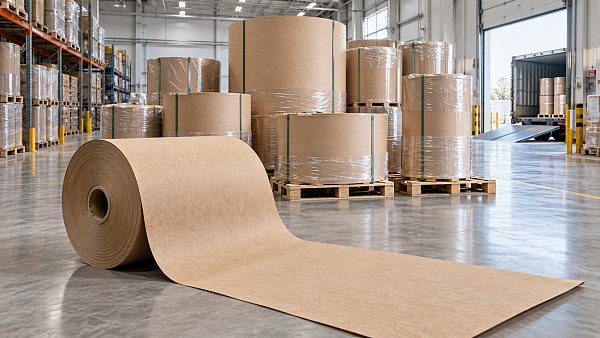
 Eco PackagingWhat affects the price of kraft paper rolls bought wholesale?Kraft paper rolls wholesale pricing depends on grade, basis weight, roll size, order volume, freight, and certifications. Learn how to compare landed costs and choose reliable value.Packaging Supply ExpertOct 03, 2026
 Commercial LEDHow to evaluate a canopy lights factory before placing a bulk orderCanopy lights factory evaluation guide: verify specifications, compliance, quality control, capacity, and after-sales support before placing a bulk order.Commercial Tech EditorOct 02, 2026
 Commercial LEDHow to choose lighting systems that meet workplace safety needsLighting systems for workplace safety: learn how to control glare, improve visibility, meet environmental demands, and protect workers with reliable, compliant lighting choices.Commercial Tech EditorOct 01, 2026
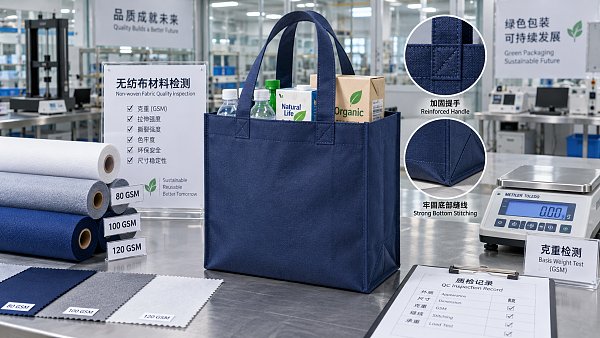
 Fabrics & YarnsWhat fabric weight works best for reusable non woven fabric bags?Non woven fabric for bags: discover the best GSM range for durability, load capacity, print quality, and cost-effective reusable bag sourcing.Textile Industry AnalystSep 30, 2026